REVIEW · BERCHTESGADEN AND EAGLE’S NEST TOURS FROM MUNICH
Berchtesgaden: Via Ferrata Beginner Tour of Schützensteig
Ready for a first taste of exposed climbing? You’ll learn via ferrata basics and climb Schützensteig above Berchtesgaden with real mountain technique, not guesswork. What I love most is the hands-on feel of the rock under your fingers and the way the guides coach you through belaying, climbing, and resting so you stay confident. The one thing to consider is that this is still height-focused climbing, so it is not for you if you freeze up around drops or can’t stay calm on exposed sections.
Suiting up in the mountains changes everything. Within a few hours, you go from holding the kit correctly to moving along the route, and the views over Berchtesgadener Land arrive fast, with green plains, hills, snow-capped peaks, and blue lakes seen from above. Expect difficulty around A/B to B depending on where you are on the course and your comfort level.
This tour is a solid choice if you want a structured skill day in Bavaria, not just a hike. You’ll bring your own food and drinks, wear hiking shoes, and dress for weather, because conditions in the Alps can shift. If you’re afraid of heights, skip it, even if the beginner label sounds reassuring.
Key Things You’ll Notice on Schützensteig

- Beginner coaching with real technique: you practice belaying, climbing movement, and how to rest safely
- A route that fits A/B to B: expect a mix of easy learning sections and a few tougher climbing bits
- Hands-on climbing feel: you literally touch the rock while you move up
- Pro guide attention: people describe very supportive, clear instruction and willingness to explain in English if needed
- Big payoff views: alpine panoramas over the region’s plains, peaks, and lakes
- Gear provided: you get harness, helmet, gloves, and the via ferrata kit, so you travel lighter
Schützensteig Starts With the Right Kind of Challenge

Schützensteig is a classic way to learn via ferrata in the Berchtesgaden area because it gives you structure. You are not dropped onto a mystery route and told good luck. Instead, you go up with coaching that focuses on the basics, and that matters more than people expect.
Via ferrata is not just about fitness. It is about rhythm. Where to place your feet, how to keep three points of contact, when to use the cable or rungs, and how to calm your body before the next move. On this beginner course, you learn those essentials while you are still close enough to the start that your brain stays in “I can do this” mode.
The guide-driven range of difficulty, typically A/B to B, is a good reality check. If you are comfortable with mountain hiking and you have decent stamina, you will likely find the day doable. If you are new to exposed climbing, you may feel some parts are more demanding than a plain hike, but the coaching is the point. A few sections can ask for commitment, and that is why the beginner approach helps.
There is also a psychological bonus. People often get worried about the first exposed step, then relax once they understand how the system works. Learning how to rest safely on the course is a huge part of that mental shift. It turns panic into process.
Deeper into the Berchtesgaden Alps
- Eagle’s Nest-Berchtesgaden-Obersalzberg Private Half Day WWII Historical Tour
★ 5.0 · 64 reviews - Berchtesgaden-Obersalzberg Private Half Day WWII Historical Tour
★ 5.0 · 17 reviews - Berchtesgaden: Via Ferrata Beginner Tour of Schützensteig
★ 4.7 · 15 reviews
Meet, Suit Up, and Get Your Safety System Sorted

Your day begins by meeting your guide at the start of the tour. You’ll also want to plan for parking, because there is a parking fee in the large lot. The earlier you arrive, the calmer you will feel when it’s time to get gear on.
Once you’re with the group, the work starts immediately: you get your harness, helmet, and via ferrata climbing kit. The tour includes the full set-up, so you do not need to hunt gear before your trip. Still, arrive prepared to use it correctly, because your guide will help you get everything adjusted before you climb.
This is where the day earns its value. The kit alone is not the safety. Correct setup is safety. Proper connection to the cable, correct harness fit, and understanding how you move with the system all reduce stress and help you climb with steadier confidence.
A good guide also sets expectations early. You’ll learn the course basics, and you’ll get the kind of instruction that tells you what to pay attention to. In a sport like this, that focus is the difference between enjoying the climb and spending the route fighting your own nerves.
And if your language needs are in play, that’s covered too. Instruction is offered in German and English. Based on how guides are described in actual sessions, they also handle misunderstandings by translating and re-explaining in the language the group needs.
The Skills Lesson: Belaying, Climbing, and Resting

The core of this experience is training the fundamentals of via ferrata. That means you do not just “go up.” You learn how to do the movements and how to manage yourself during the climb.
Here’s what you should expect your guide to emphasize:
- Belaying basics: how you are connected and how your safety system behaves as you move
- Climbing technique: foot placement, hand use, and steady body positioning on the route
- Resting technique: how to pause without losing composure or wasting energy
Resting is the underrated skill. It is easy to think you either keep going or you stop and panic. On via ferrata, the best climbers know how to take a controlled break. Even a short pause can reset your balance and breathing so the next section feels manageable.
You will also get coached on staying calm through exposure. If you feel your shoulders rise and your breathing speeds up, the guide can help you correct it early. That matters because the hardest part for beginners is often not the physical move. It is the mental snap right before the move.
One thing that stands out in the way people describe these beginner tours is how guides handle hesitation. There is an emphasis on letting you say you need help or that you are not sure you can make a section. That is smart teaching, because pushing someone through fear without guidance can backfire. When someone feels supported, you get better technique, not just higher risk.
Expect the guide to keep things moving while staying attentive. This is not a classroom, but it is not a free-for-all either.
Climbing Schützensteig: What A/B to B Really Means

Schützensteig is designed so you can learn via ferrata without making your whole day one long fight. The route difficulty can range roughly from A/B to B, and that typically translates to easier learning moves mixed with parts that ask you to climb with more commitment.
You can think of A/B as the comfort-building range. You will practice the mechanics of moving along the cable system and learn how to use holds safely. That’s where you get the “I can do this” feeling.
Then B shows up in select spots where you must climb more actively and trust your technique. For a beginner, that can feel like the route is asking for one more step of confidence. People also note that even though it’s marketed as beginner-friendly, there can be climbing points that are not trivial.
So, the best way to judge suitability is not just the difficulty label. It’s how steady you feel on a route with exposure.
If you are the type who does well on mountain hikes with some uneven footing, you will probably handle this. If you have never climbed or worked with fixed ropes and ladders, you may still do fine, as long as you listen closely and accept that the first couple of sections are practice, not a performance test.
Also, pay attention to your body. Via ferrata punishes sloppy technique. Your arms may feel tired if you start pulling instead of setting your feet. Learning to move with your legs and use your hands for balance will keep fatigue from snowballing.
The View Payoff Over Berchtesgadener Land
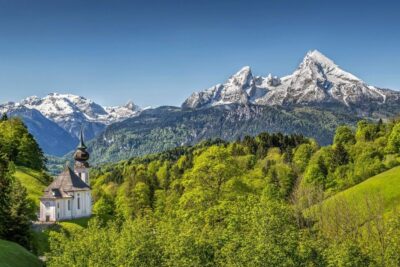
This is the fun part. As you climb, you gain height quickly, and the scenery rewards you right away. You’re climbing above Berchtesgaden with views in multiple directions, so you do not just stare at one dramatic angle the whole time.
Expect a mix of:
- rolling green plains and hills below you
- snow-capped peaks in the distance
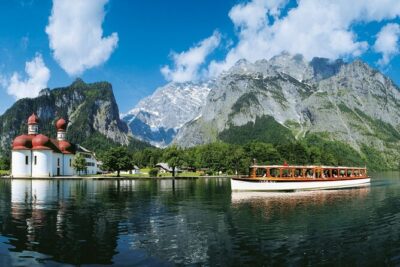
- blue lakes that look different from up here
It’s the kind of view that makes you forget you are working on foot placements. And it helps you shift attention from fear to appreciation.
The route also gives you that very physical climbing moment. One highlight is the sense of touching the rock with your fingertips as you move. That tactile feedback can actually help beginners. It gives your brain something concrete to focus on instead of the void.
If you are camera-minded, you will want to stop and take pictures only when your guide says it’s safe. With via ferrata, “quick snap” can become “wobbly moment” if you try to handle a phone at the wrong time. So keep your hands ready, follow instructions, and use pauses for photos.
At the right moments, the views do more than look pretty. They keep your motivation up. And when your motivation stays high, your technique usually improves too.
Gear, Clothing, and the Small Things That Matter
Because gear is included, your main job is staying comfortable enough to focus on technique. Here’s what you should bring and why it matters:
- Food and drinks: this is a 4-hour outing, and you do not want to run on empty. You’ll be working.
- Hiking shoes: closed footwear matters for gripping the rock and cable areas safely. Shoes with decent traction help you place feet with confidence.
- Weather-appropriate clothing: mountain weather changes. Dress for what you’ll feel on the climb, not just what it looks like when you arrive.
Even though the tour supplies your harness, helmet, gloves, and via ferrata kit, your clothing still affects comfort and safety. Tight sleeves or slippery fabric can make hand contact awkward. Layers help you manage heat when you’re working and then stay comfortable if conditions cool near viewpoints.
Also remember the rules: no alcohol and no drugs. You’re moving on equipment and fixed cables, so keep your mind sharp.
Finally, if you have a history of knee issues or other limitations, tell your guide before you start. People have praised guides for empathy and humor, but the real win is when they know your constraints early. That lets them adjust how they coach you.
How Much It Costs, and Why the Value Adds Up
The price is $104 per person for a 4-hour beginner via ferrata course of Schützensteig. That cost can feel high until you see what’s included.
You get:
- via ferrata kit
- helmet
- gloves
- harness
- mountain guide
- via ferrata course
That is a lot of tangible value. If you had to buy or rent your own gear, the price would jump fast, and you might still end up unsure you have the right size or setup. Here, the gear is provided and the guide helps you use it correctly.
Food and drinks are not included, and cable car tickets are also not included. So plan to bring snacks and water, and make sure you’re not assuming cable transport is part of the package.
In terms of value, I’d call this a “skill day with a safety net.” You pay for instruction, equipment, and guided route support. If your goal is to learn via ferrata properly, this is usually better than trying to figure it out on your own, especially on your first alpine route.
And with a strong rating (4.7 out of 5 from 15 reviews), you can also feel confident that the coaching style and experience delivery are working for most people.
Who Should Book This (and Who Should Skip It)
This is a beginner tour, but it still has real exposure. That means the right match is about temperament and comfort.
Good fit if you:
- want a structured introduction to via ferrata
- have good enough condition for a 4-hour mountain session
- can handle some heights while staying focused on technique
- want professional guidance so you learn the right way from the start
Not suitable if you:
- are afraid of heights
- are looking for a kids tour, because children under 10 are not suitable
Also, think about your expectations. This is not a casual stroll. You’ll be active and learning. If you want a full-on workout with coaching plus panoramic rewards, you’ll probably enjoy it.
If you’re nervous, that’s normal. The best outcome happens when you communicate your comfort level early, and the guide coaching supports that. The course is beginner-friendly, but your confidence matters.
Group size can vary, but some sessions have been run with small groups, like five participants, which usually means more personal attention. That’s helpful for adjusting technique and building confidence without feeling rushed.
Timing, Language, and What to Expect From the Guide
The tour lasts 4 hours, and starting times depend on availability. In other words, you’ll want to check the schedule for your travel dates so you pick a slot with enough daylight and good weather.
Languages are German and English, and instruction is led by an instructor. If you’re not fluent, you can still participate since your guide can explain in the language of the group.
One of the strongest themes from the experience style is supportive teaching. People describe guides who are clear and friendly, and who handle hesitation with respect instead of pushing group pressure. Some guides also switch languages if someone needs clarification, which is exactly what you want on a first via ferrata climb.
If you care about learning technique, this matters. A beginner course works best when you leave understanding how to climb safely and how to rest, not just when you reach the end.
Should You Book the Schützensteig Beginner Via Ferrata Tour?
If you want your first via ferrata experience to be coached, not improvised, this is a strong booking.
I’d book it if you:
- are excited by alpine views and real climbing, even if you’ve only done mountain hiking before
- want all the safety gear included
- value a guide who teaches belaying, climbing, and resting so you can enjoy the exposure instead of fearing it
- like the idea of a course that includes beginner range with some touches of B difficulty
I would skip it if:
- heights make you panic
- you want something fully relaxed and low risk
- you’re counting on cable car tickets being included, or you’d rather not plan food and drinks for the outing
Pick a day with reasonable weather, wear hiking shoes, bring water and snacks, and arrive with a calm mindset. Then you’ll get what this course is best at: learning a new alpine skill while feeling the mountains close up, hand on rock, and eyes on the wide views above Berchtesgaden.
FAQ
How long is the Berchtesgaden via ferrata beginner tour on Schützensteig?
The tour lasts 4 hours.
What is the price per person?
The price is $104 per person.
What’s included in the tour price?
You get a via ferrata kit, helmet, gloves, harness, a mountain guide, and the via ferrata course.
What is not included?
Food and drinks are not included, and cable car tickets are not included.
What languages are offered by the instructor?
The instructor provides German and English.
Where do I meet the guide?
You meet your guide at the beginning of the tour.
Do I need to pay for parking?
Yes, there is a parking fee in the large parking lot.
What should I bring?
Bring food and drinks, hiking shoes, and weather-appropriate clothing.
Is the tour suitable for children?
Children under 10 years are not suitable for this tour.
Is there a refund if I cancel?
Free cancellation is available up to 7 days in advance for a full refund.
More Tours in Berchtesgaden
More Tour Reviews in Berchtesgaden
Deeper Into Berchtesgaden
Newest Munich and Bavaria reviews
- Berchtesgaden-Obersalzberg Private Half Day WWII Historical Tour★ 5.0 · 17 reviews
- Berchtesgaden: Via Ferrata Beginner Tour of Schützensteig★ 4.7 · 15 reviews
- Eagle’s Nest-Berchtesgaden-Obersalzberg Private Half Day WWII Historical Tour★ 5.0 · 64 reviews
Berchtesgaden and Eagle’s Nest Tours from Munich, compared.
★ 4.0Berchtesgaden and Eagle’s Nest Day Tour from MunichFrom $761,077 reviews
★ 4.5Berchtesgaden and Eagle’s Nest Day Trip from MunichFrom $78797 reviews
★ 4.6From Munich: Berchtesgaden Foothills and ObersalzbergFrom $80419 reviews
★ 4.8From Munich: Guided Group Tour to Eagle’s NestFrom $176303 reviews
★ 5.0Eagle’s Nest Hiking TourFrom $240133 reviews
★ 5.0Eagle’s Nest-Berchtesgaden-Obersalzberg Private Half Day WWII Historical TourFrom $59164 reviews
★ 4.5Private TOUR Munich > Eagle Nest > Königssee > Salzburg > MunichFrom $51032 reviews
★ 5.0Eagle’s Nest, Lake Königssee and ‘Fuehrer Headquarters’ Private Tour from MunichFrom $92127 reviews