
REVIEW · MUNICH THIRD REICH AND WWII HISTORY TOURS
Munich: Third Reich & WWII Walking Tour
Munich has a dark origin story you can walk. This 2.5 hour guided walk connects the dots between post World War I chaos and the rise of Adolf Hitler in Bavaria’s capital, stopping at the places where ideas turned into action. You’ll move through key locations tied to the Nazi movement, including the Hofbräuhaus and Königsplatz.
Two things I really like: first, the tour format stays human. Guides such as Michael, Steve, Alex, Florian, and Josh are repeatedly praised for clear explanations, strong voice projection for hearing over winter crowds, and an approach that keeps you with the story instead of lost in dates. Second, the route is built around meaning, not just famous buildings, so you can see how Munich’s public spaces helped Nazi messaging gain momentum.
One possible drawback to plan for is that this is an outdoor walking tour. Even with frequent pauses, you’ll be out for about 165 minutes, so cold weather can make listening harder if you show up in light layers and thin shoes.
Key Highlights You Can Actually Use
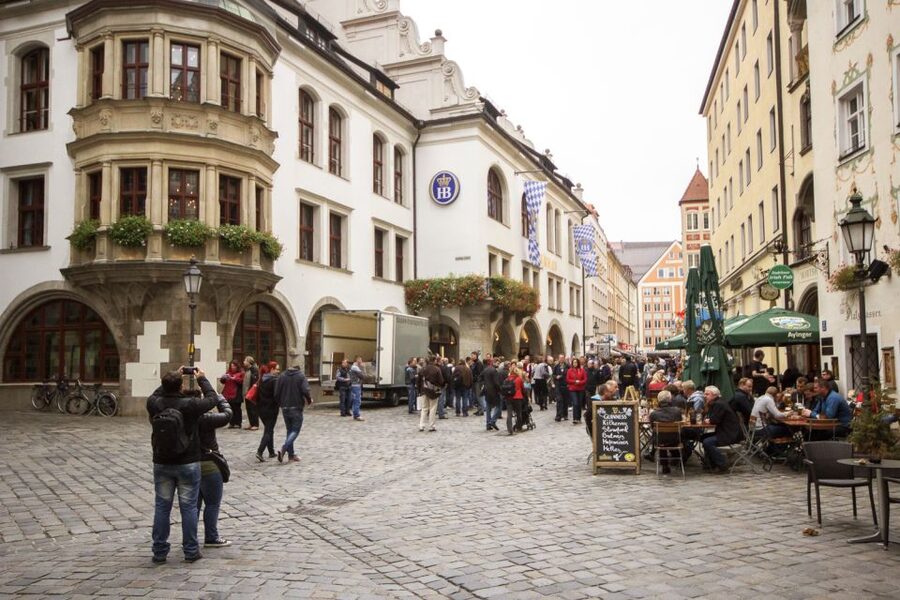
- Hofbräuhaus first mass meetings: see where Nazi organizing gained public traction
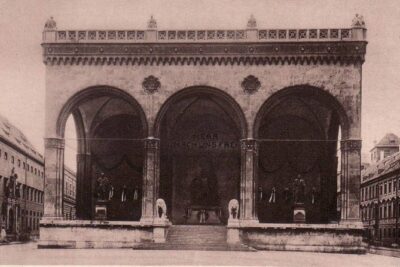
- Feldherrnhalle power attempt: understand what the failed seizure of power changed
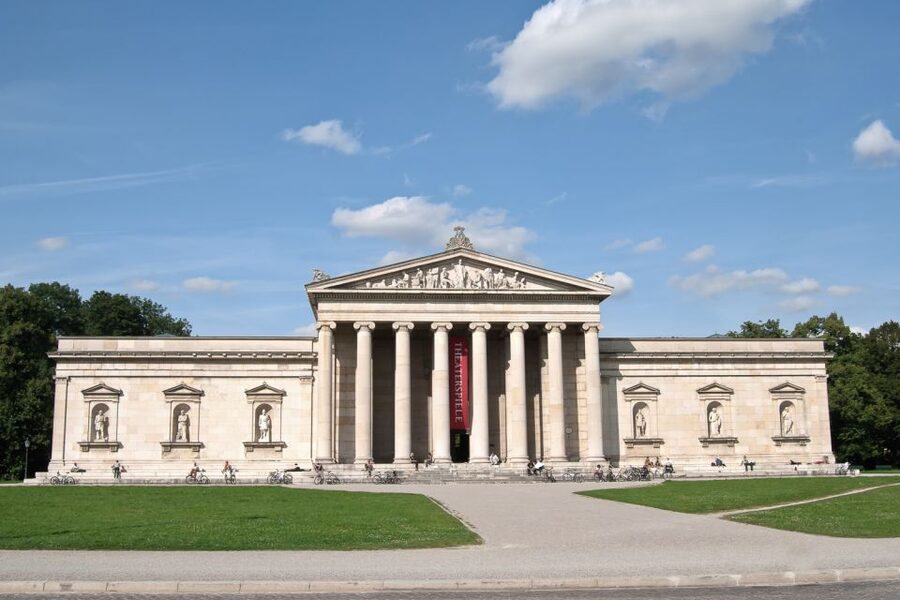
- Königsplatz rally setting: connect party spectacle with the city’s monumental architecture
- Hofgarten and the White Rose: balance the Nazi story with Germany’s resistance movement
- Guides with strong delivery: many are specifically noted for being easy to hear and respectful with tough material
The Post World War I Setup: why Munich was primed for Nazism
This tour starts with context, because the scary part is how normal life warped. After World War I, Germany is described as defeated and humiliated, and Munich is shown as a city in turmoil. You hear about hyperinflation, plus political instability across Bavaria, including revolution and assassination. That mix matters, because it explains how a movement promising certainty could grow fast.
What I like about this kind of framing is that it helps you connect the dots later. Instead of treating Nazism like an isolated evil that appeared out of nowhere, you see it as something that fed on fear, economic shock, and anger. And you’ll also notice how the story keeps returning to street-level reality: speeches, crowds, uniforms, and public attention.
Expect your guide to walk you through a timeline anchored to places, not just a lecture. That keeps the tour active, and it prevents the topic from feeling like an abstract history chapter.
Other walks through the same years
- Munich: Third Reich & WWII Walking Tour
★ 4.6 · 6,181 reviews - Third Reich Walking Tour Munich
★ 4.5 · 4,291 reviews - Munich: Birthplace of the Third Reich Guided Walking Tour
★ 4.6 · 771 reviews - Munich World War II Sites Including Dachau Concentration Camp
★ 4.5 · 570 reviews
Hofbräuhaus: where the Nazi story moves from fringe to public
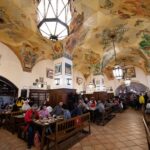
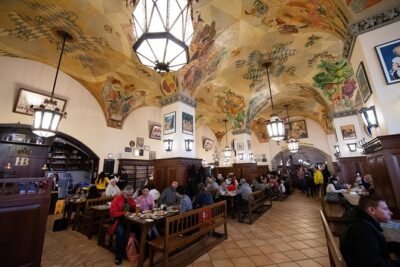
One of the most important stops is the Hofbräuhaus area. This is presented as the setting for the first mass meetings tied to Hitler’s rise in Munich. The significance is simple, but powerful: you’re not just reading about propaganda. You’re standing in a real social space where mass communication could happen.
Your guide typically explains how the Nazi movement used public gathering culture to convert attention into recruitment. Hofbräuhaus is often described as a place where everyday people mingled, so the idea is not that everyone became a Nazi overnight, but that the movement found ways to be seen and heard. You also get context for how messaging worked in early stages, before the regime hardened.
Practical note: this part is especially worthwhile if you’re a first-time visitor to Munich and want a mental map. You’ll leave knowing where the story starts, so later WWII memorials and museums in the city feel less random.
Feldherrnhalle: the failed coup attempt and what came next
At Feldherrnhalle, the tour turns to a moment that’s often treated like a hinge in early Nazi history, the failed attempt to seize power. The guide uses the location to explain not only what happened, but why it mattered for the movement’s next phase.
Here’s the useful takeaway: a failed political act can still succeed as a story. The tour context helps you understand how groups can convert setbacks into legend, fuel recruitment, and strengthen internal loyalty. You’re learning how political theater can become a tool, even when the immediate goal does not succeed.
What you’ll likely appreciate is the balance. You should expect factual explanation plus interpretation of consequences, not just dramatic narration. One of the guide styles that comes up in the experience is respectful delivery, with humor used carefully as a way to keep your attention, not to soften the subject.
Königsplatz: party rallies, spectacle, and the power of place
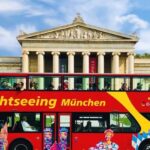
The walk to Königsplatz is where you start seeing how architecture and ideology can reinforce each other. This is described as a site tied to party rallies, so the guide frames it as a stage built for mass emotion.
Even if you know some WWII history already, this stop can add something. It forces you to think about the mechanics of control: showing up in huge numbers, using symbols, and making public space feel like the movement belongs there. In other words, the Nazis weren’t only selling ideas. They were training people to expect a future shaped by them.
This is also a good moment to slow down in your mind. Look at the space, imagine organized crowds moving through it, and listen to how your guide connects it to the broader rise of the Third Reich. If you’ve ever wondered why dictatorship often starts with performance, this stop gives you a real-world answer.
Hofgarten and the White Rose: seeing resistance in the same city
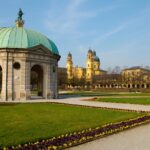
No one should leave a Munich Nazi story only with one side of the narrative. That’s why the Hofgarten stop is so important. The tour includes time to talk about the White Rose Resistance Movement, which helps you see that opposition existed inside Germany too.
This part matters for two reasons. First, it adds moral complexity without turning it into a feel-good detour. You still understand the scale of harm, but you also learn where resistance took root. Second, it helps you connect WWII history to human choices, not just events and dates.
You might find this stop emotionally heavier than the earlier ones. Guides who do it well tend to keep the tone thoughtful and grounded, so you feel informed rather than overwhelmed.
How the 165-minute walk fits your day
At 2.5 hours, this is not an all-day commitment, but it is long enough that your comfort matters. The tour moves through several key sites, so you’ll be standing and listening as much as you walk. On a cold day, even brief pauses can feel like a relief, which is why packing the right basics changes your whole experience.
From practical notes that come up again and again, guides often plan for comfort. Some have been praised for bringing hot tea and extra items like seat pads in winter conditions. That kind of care is not a gimmick. It keeps you warm enough to stay focused, and it makes the tour feel more like a teaching walk than a rushed sightseeing loop.
Also, expect frequent stops along the route. That helps with the biggest challenge of this topic: you’re absorbing tough history. Breaking it into chunks makes it easier to remember and easier to ask questions.
More of the Altstadt on foot
Price and value: is $31 worth it for Nazi history in Munich?
$31 for a guided 2.5 hour walking tour is usually strong value if you want interpretation, not just photos. The cost is low enough that you can realistically fit it into a short Munich visit, and the guide-led format is the difference between seeing sites and understanding their roles.
What makes it worth the money is the structure. You’re not just visiting one monument. You’re going through multiple historically linked places, with a storyline connecting post World War I instability to Hitler’s rise and the Third Reich. The tour also includes the White Rose Resistance Movement, which adds balance and helps prevent the experience from feeling one-dimensional.
A fair consideration is that you need to be mentally ready for a dark subject. If you’re coming mainly for casual city stroll vibes, this tour will feel intense. If you come wanting clarity and context, it’s one of the best uses of your time per hour in Munich.
Guides like Michael, Steve, Alex, and Josh: what makes a difference
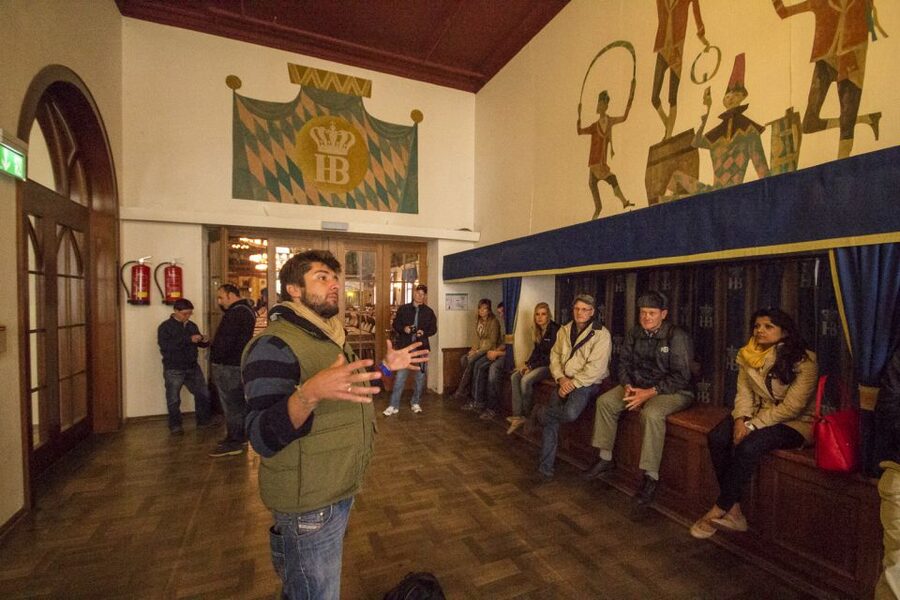
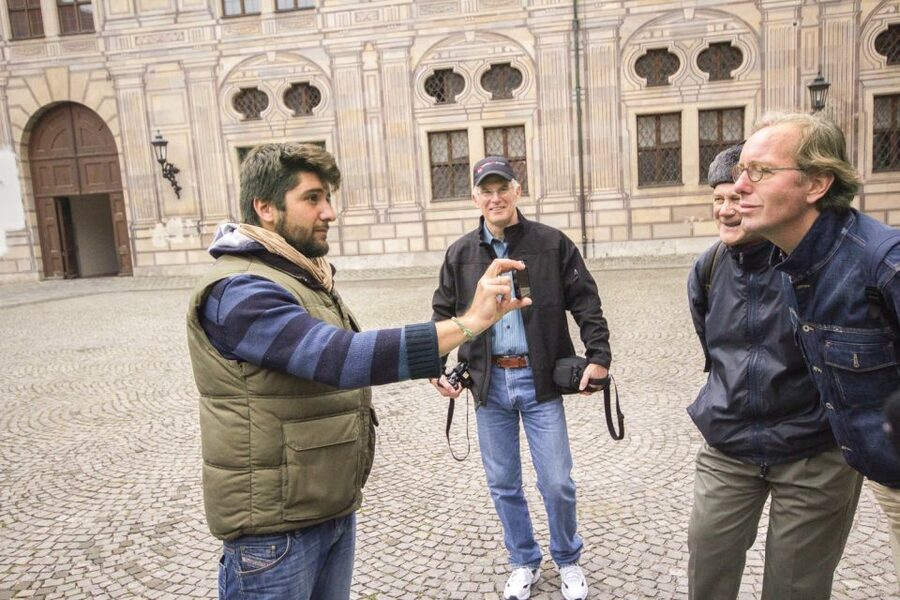
One theme that stands out is delivery. Guides are repeatedly described as giving a voice loud enough to hear over crowds, using explanations that are clear, and telling the story with enough energy that you don’t switch off halfway.
Names that show up in the experience include Michael, Steve, Alex, Florian, Ulrich, Aileen, Danielle, and Josh, with multiple people praising guides for being approachable and good at answering questions. In a tour like this, that matters. If you want to ask why certain movements gained support or how resistance formed, you’ll get more out of it with a guide who can handle follow-ups.
You should also notice the tone. Many comments stress respectful handling of sensitive content, with humor used as a way to keep you engaged rather than a way to lighten the suffering.
What to bring, and how to get better at listening outdoors
For this tour, your main gear is simple: comfortable shoes. You’ll be walking on city streets and standing through explanations, so support matters more than fashion.
I also suggest layering for cold weather. The tour is in winter-ready Munich, and at least one experience notes that guides helped people stay seated comfortably and warm. Even if you don’t need extra help, your body will work less if you dress for the cold. Less shivering equals better listening.
If you’re the type who likes to soak it all in, come with one specific question in mind, like how propaganda shifted from early organizing to state power. When your guide is strong, your questions will feel welcome, not inconvenient.
Who this tour is best for
This is ideal if you want more than surface-level Munich history. You’ll enjoy it most if you’re interested in WWII era context, the origins of Nazi power in Bavaria, and the way public space can reflect ideology.
It’s also a good fit if you like guided storytelling. The pacing and stop frequency help you follow a clear sequence, especially when the subject matter is heavy.
If you’re sensitive to distressing topics, it’s okay to mentally prepare. This tour is designed to explain and contextualize, not sensationalize. Just make sure you’re ready for the reality of what’s covered.
Should you book the Munich Third Reich and WWII Walking Tour?
If you want a clear, site-based explanation of how Nazism took hold in Munich, I’d book it. For the price, you get a structured 165 minute walk across major locations tied to Hitler’s rise, plus an important segment on the White Rose Resistance Movement. That combination is what makes it more than a dark sightseeing checklist.
Book it especially if:
- you have only a short time in Munich and want maximum historical clarity per hour
- you like guided interpretation and want a story you can remember later
- you appreciate balanced framing, with resistance included
Skip it only if you’re not prepared for outdoor cold walking and a serious topic. And if you’re worried about hearing in crowds, choose a time you feel comfortable in, dress warm, and be ready to ask questions. A good guide makes a big difference here.
FAQ
How long is the Munich Third Reich & WWII Walking Tour?
It lasts 2.5 hours, listed as 165 minutes.
What does the tour include?
It includes a guided tour with a live guide.
Where does the tour meet?
The meeting point may vary depending on the option booked.
What language is the tour offered in?
The live guide is available in English and German.
Which sites does the tour visit?
You’ll visit the Hofbräuhaus, Feldherrnhalle, and Königsplatz, plus you stop in the Hofgarten to learn about the White Rose Resistance Movement.
What should I bring?
You should bring comfortable shoes.
Is there a cancellation option?
Yes, free cancellation is available up to 24 hours in advance for a full refund.
Is this tour suitable for wheelchair users?
The tour is wheelchair accessible.
Does it cost $31 per person and is payment flexible?
Yes, the price is listed as $31 per person, and there is a reserve now & pay later option.
More Tours in Munich
More Tour Reviews in Munich
The Same Years, Other Routes


Newest Munich and Bavaria reviews
- Scenic Adventure Private Day Tour to The Konigssee Salzburg★ 4.5 · 3 reviews
- Jewish Museum & Jewish Quarter Guided Tour with Tickets★ 4.0 · 3 reviews
- Private Linderhof Castle, Entry-Ticket – optional Toboggan Run★ 5.0 · 3 reviews
- Private Transfer from Munich to Salzburg, English-speaking driver★ 3.5 · 3 reviews
- Private tour from Munich to Rothenburg and Harburg★ 5.0 · 3 reviews
- Arrival Transfer Munich Train Station to Munich by Luxury Van★ 5.0 · 3 reviews
Munich Third Reich and WWII History Tours, compared.
 ★ 4.5Third Reich Walking Tour MunichFrom $454,291 reviews
 ★ 4.6Birthplace of the Third Reich Guided Walking TourFrom $29771 reviews
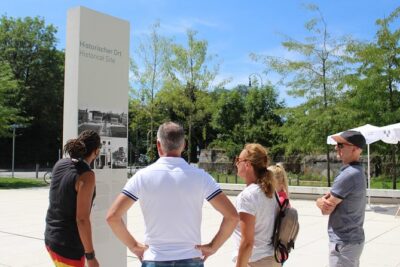 ★ 4.5Munich World War II Sites Including Dachau Concentration CampFrom $105570 reviews
 ★ 5.0Munich City Walking Tour, includes Third Reich & ViktualienmarktFrom $31458 reviews
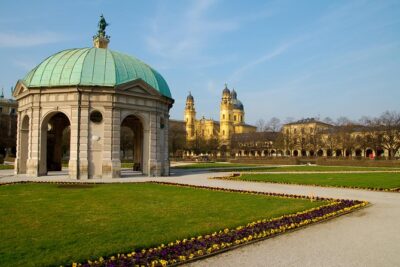 ★ 4.5Third Reich & WWII Walking TourFrom $35417 reviews
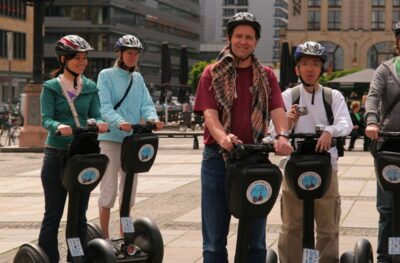 ★ 4.9Munich 3-Hour Segway Tour: Nazi Munich & Royal ArchitectureFrom $91194 reviews
 ★ 5.0Dachau Concentration Camp Memorial Site And Third Reich Day Tour From MunichFrom $145185 reviews
 ★ 5.0Munich in the 3rd Reich and WW2 private walking tourFrom $423148 reviews