
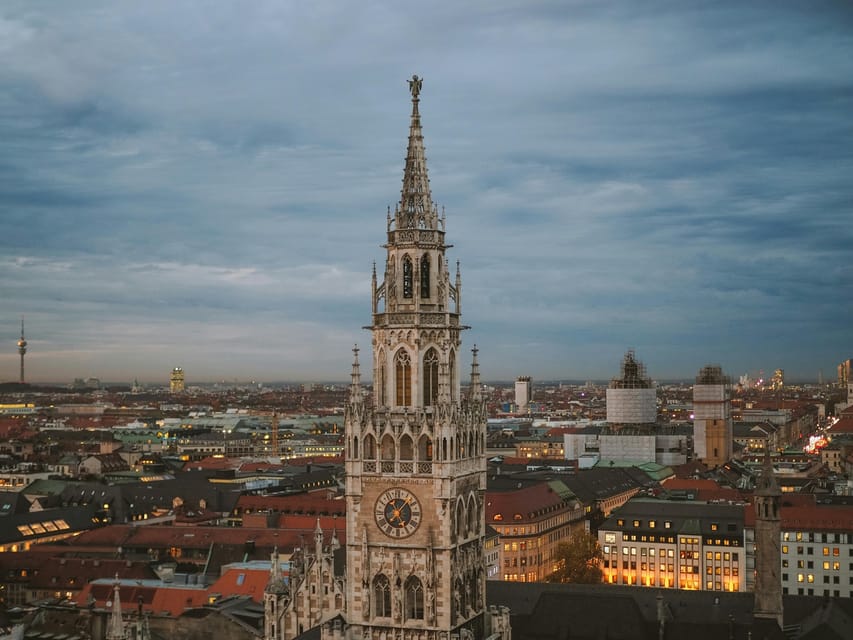
REVIEW · WALKING TOURS
Munich: Highlights Walking Tour with a Guide
Munich clicks into focus in just three hours. I like how this Munich Old Town highlights walking tour strings the city’s key places together without wasting time, and I also love that your guide adds practical context, from the beer hall vibe to the stories behind the squares. The one thing to watch is pacing: if you are not into long church talk, set that expectation early, because some tours can lean heavily on church damage and restoration details.
You meet at Marienplatz 15 (in front of the Julia-Capulet-Statue) and then you’re off for a 3-hour walk with a live guide in English, French, Spanish, Italian, or German. I’m a fan of the private, customizable option because it gives your guide room to tailor the route to your interests, not just run a scripted loop.
Key highlights you can plan around
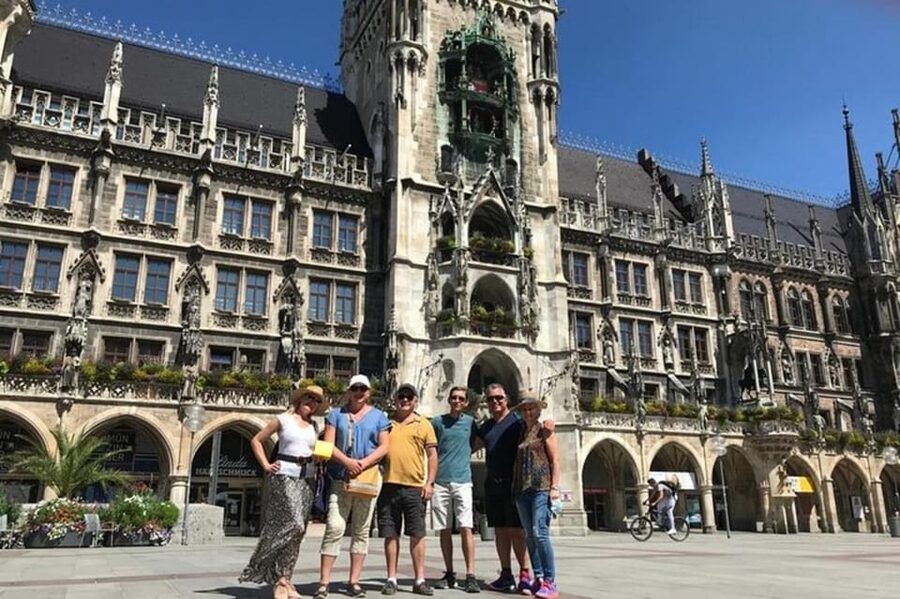
- Marienplatz + the Glockenspiel timing at 11:00 am, 12:00 pm, and 5:00 pm (March through October)
- Frauenkirche and the story of Munich’s largest church
- Rathaus-Glockenspiel history tied directly to how the city celebrates today
- Staatliches Hofbräuhaus plus fun facts about German beer rules and Oktoberfest
- Odeonsplatz with a difficult 1930s to 1940s historical footnote
- Residenz and Wittelsbach power, the kind you can feel in the scale
Entering Munich at Marienplatz 15, where the tour actually starts
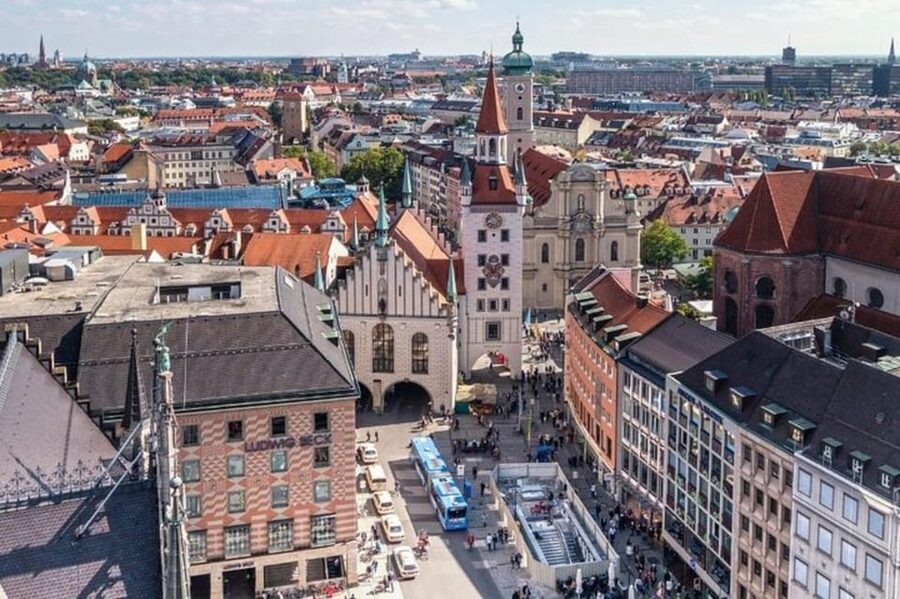
This tour begins in the heart of Old Town at Marienplatz 15, in front of the Julia-Capulet-Statue. That matters more than it sounds. Marienplatz is where Munich’s story gets staged daily, and starting there means you skip the “where do we go first” confusion that often hits first-timers.
From that starting point, you get a guided walking plan that hits major landmarks close together. You’re not just collecting photos. The guide’s job is to point out what to look at and then connect it to why it exists in Munich’s culture. You also get a ton of city advice that goes beyond the usual checklist, like what to do next after the walk and how to avoid wasting time.
One smart touch: the tour is offered in multiple languages and it can run as a private group. That makes a difference if you want your guide to match your pace, or if you have special interests (art, architecture, local food stops, or just seeing the classics quickly).
More of the Altstadt on foot
- Munich: Third Reich & WWII Walking Tour
★ 4.6 · 6,181 reviews - Third Reich Walking Tour Munich
★ 4.5 · 4,291 reviews - Munich: Old Town & Viktualienmarkt City Walk in German
★ 4.7 · 2,304 reviews - Munich: Night Watchman Walking Tour
★ 4.7 · 2,092 reviews
Marienplatz and the Glockenspiel, timed for the best viewing windows
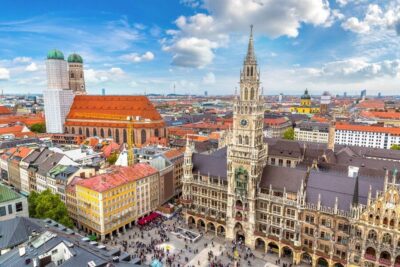
Marienplatz is the loud, photogenic center. It’s also where the tour gets instantly worthwhile if you’re there during the right season. From March through October, the Glockenspiel performs at 11:00 am, 12:00 pm, and 5:00 pm, and this walking tour is built around seeing it.
Here’s how to use that to your advantage. If you’re aiming for a specific showtime, decide in advance which performance you want to catch. Then, confirm with your guide at the start that your schedule includes enough time for it. One past booking reported time pressure later in the walk, so you do not want to assume everything will work out automatically.
When the Glockenspiel goes off, your guide can explain what you’re seeing in a way that makes the mechanism and the scenes feel less like random pageantry and more like Munich’s civic identity. It’s the kind of moment that turns a walk into a memory, even if you’re not usually a “watch the clock” person.
Also, remember that Marienplatz can be crowded around showtimes. Wearing comfortable shoes is not optional. This is a walking tour, and you’ll want to stand where you can actually see without craning your neck for the whole performance.
Frauenkirche: Munich’s biggest church, plus the good and the caution
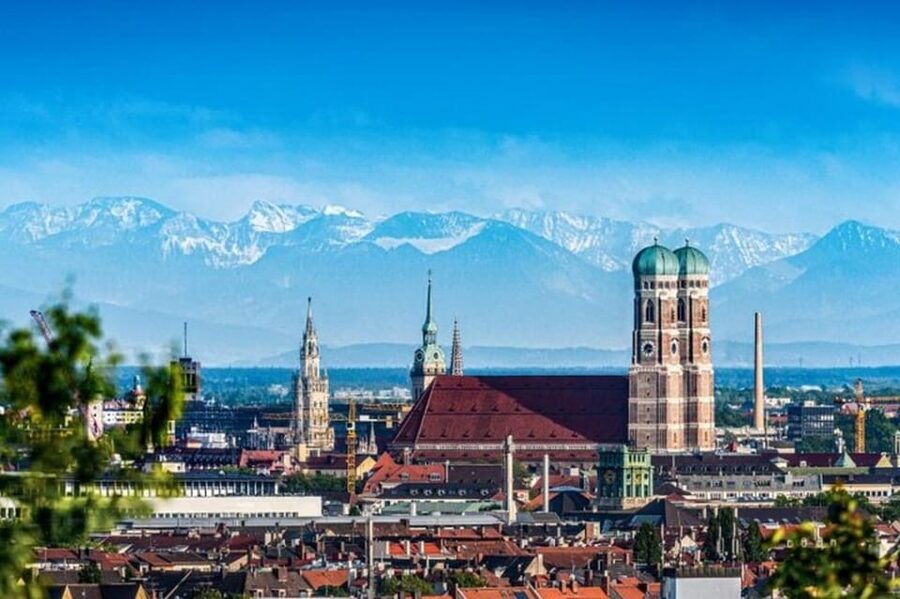
The tour moves to Frauenkirche, Munich’s largest church and a major cathedral landmark. This is where architecture lovers usually perk up. Even if you think you are “not a church person,” you will still understand why this building matters to the city’s image.
That said, here’s the honest consideration. One review described a tour that spent a large share of time on church damage from the war and how beautiful the reconstruction looks today. If that theme does not interest you, you can still enjoy Frauenkirche, but you should communicate your preference early.
Practical tip: at the start, tell your guide what you do not want. For example, say you want more time for city squares and less time on detailed restoration stories. A private and customizable format usually helps here. If you booked a standard pace, you can still ask for a lighter treatment of church topics so you keep time for the palace and market stops later.
Also, dress and behavior matter around churches. You do not need to overthink it, but keep things respectful, especially if the guide leads you into areas where quiet and proper covering are expected.
Rathaus-Glockenspiel: the “other” clock, and why it’s more than scenery
Next up is the Rathaus-Glockenspiel, one of Munich’s most visited attractions. Since it’s tied to the city hall, it carries a civic flavor that feels different from the main Glockenspiel performance you’ll see at Marienplatz.
Your guide’s value here is context. It’s easy to treat these clocks as pretty backdrops, but with a guide you learn the history and significance, which helps you place it in Munich’s broader traditions. This is also a smart stop if you like the way public buildings reflect community identity.
One more timing note. If you’re planning to catch the noon performance, keep an eye on your tour pacing. The same past booking I mentioned earlier said the tour did not finish exactly as expected and that they missed a chance to see the performance at the time they planned. That is not guaranteed, but it is a good reminder to check where you’ll end and whether you’ll still be in position if the Glockenspiel showtime is a must for you.
If you care most about seeing sights efficiently, this stop is one of the best “bang for your time” moments on the route. You’ll get the story, then you’ll get the view.
Staatliches Hofbräuhaus: beer hall energy and the purity-law conversation
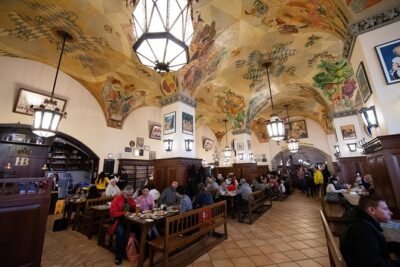
Then the tour swings to the Staatliches Hofbräuhaus in München, the world-famous beer hall. Even if you do not plan to drink, you’ll feel the atmosphere right away. This stop is about Munich culture, not just sightseeing.
What makes it especially useful is the way your guide connects the beer hall to deeper ideas. You’ll hear fun facts, including the beer purity law concept (famously associated with Germany’s “Reinheitsgebot”) and how Oktoberfest fits into Munich’s calendar.
This is where a good guide can save you money and time later. After the tour, you’ll be better prepared to decide whether a beer hall visit is for you, and you’ll also know what to look for when you do go. For example, you can ask your guide where to go for the more local-feeling experience versus the most tourist-heavy spots.
One practical caution: this tour does not include food or drinks. So if you want a meal or a beer afterward, plan it. That keeps the walking tour focused, but you’ll need to make your own decisions once you’re finished.
Odeonsplatz: beautiful squares, with a history lesson you should not skip
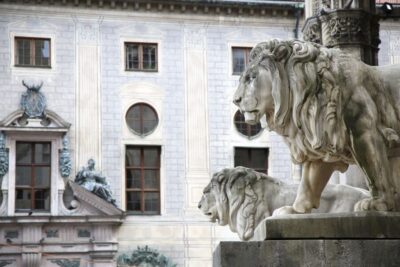
Odeonsplatz is one of Munich’s most beautiful squares, and it earns its spot on the walk. Your guide will point out key features and then add historical context, including its use for Nazi rallies in the 1930s and 1940s.
This is an important stop because it adds realism. Munich is not only charming architecture and beer steins. It’s also a city that lived through dark times, and learning that at the location itself is more meaningful than reading a paragraph in a museum brochure.
How you experience this part depends on your comfort level. If you want lighter sightseeing, you might find this heavy. But if you want to understand Munich as a whole, Odeonsplatz is a necessary anchor point.
Also, because this is a walking tour, the guide can help you notice how the square’s grandeur sits alongside the historical layer. That contrast makes the lesson stick without turning the whole tour into a lecture.
Guides worth having in Munich

Residenz and the Wittelsbach story in palace scale
The tour includes a visit to the Residenz, described as the largest inner city palace in Germany and the ancestral home of the Wittelsbach Royal family of Bavaria. Even from outside, the scale can feel impressive, and with a guide you get the background that turns a building into a story about power.
Why I think this stop works well on a half-day tour: it connects the dots between politics, culture, and city layout. Munich’s old town isn’t random. Major buildings and squares exist because the people in charge shaped what the city would become.
If you are short on time in Munich, this is one of the best places to understand that bigger picture quickly. If you are not into palaces, you might still appreciate the way your guide explains the Wittelsbach connection and why this palace matters for Bavarian identity.
One scheduling caution based on a past booking: the same reviewer who felt the tour leaned too long on churches said they did not get time to visit the Residenz. That does not mean it will happen to you, but it does mean you should care about pace. If Residenz is a “must” for you, say it at the start and ask how they plan to protect time for it.
Viktualienmarkt: fresh food market atmosphere, even if you skip the snacks
On the way, you’ll pass by Viktualienmarkt, described as the largest inner-city fresh food market in Germany. Even when a tour does not include shopping or a sit-down meal, this is a great atmosphere stop. It gives Munich a more everyday texture.
The market area can help you break the “all landmarks, all the time” feeling that happens on sightseeing walks. You’ll see the kind of places locals use, and that can help you plan your own meal choices later.
Since food and drinks are not included, treat this as a “look and decide” moment. If you want to sample something, you can do it after. If you are on a strict schedule, Viktualienmarkt is still a good place to take a short pause and reset before the last stretch back toward Marienplatz.
Private and customizable: how your guide changes the tour
The most consistently praised part of this experience is the guide factor. In the better feedback, people specifically called out how prepared and engaging the guide was, and how friendly the experience felt. Names that came up include Elettra and Roberto, both described in positive terms, with comments about lots of information and tailoring the walk to requirements.
That matters because walking tours can be either a list of stops or a real guide-led experience. When it’s done well, you get:
- better route timing (so you’re not always waiting)
- explanations that make landmarks feel connected
- practical advice that helps you plan the rest of your trip
- a sense that the guide is reading your interests, not just moving you along
The tricky part is what happens when interests clash. The one low-score review mentioned a mismatch around religion and wartime church damage stories, plus timing issues that affected the end of the tour. That tells me the biggest success factor is expectation-setting.
If your top priorities are specific like Residenz time, markets, or catching a Glockenspiel show, tell the guide early. If you care less about church restoration details, say so. A private and customizable format gives you the best odds of getting a route that fits.
Price and value: what $53 buys you for a 3-hour Munich hit
At about $53 per person for a 3-hour highlights walk, this sits in the “use a guide to make the day easier” category. You’re not paying for a long all-day program. You’re paying for focus, route help, and interpretation.
Here’s the value logic I like:
- You cover multiple major Old Town sights in one go.
- Your guide supplies context so you’re not guessing what you’re looking at.
- You get extra advice for what to do next, which can prevent expensive trial-and-error later.
- The tour includes help to book tickets for desired visits, which can save time if you’re trying to lock in entry to places like the Residenz.
Is it worth it if you’re a confident self-guided walker? Maybe. If you already have a tight itinerary and you enjoy reading and researching on your own, you might skip the guide. But if you want the city explained quickly and you’re optimizing your limited time, the guide is doing real work for you.
My practical suggestion: if you’re spending only a day or two in Munich, this price can make the first hours feel smooth. If you’re staying longer and already know these landmarks, you might get less out of the guide part.
Should you book this Munich Old Town highlights tour?
Book it if:
- you want a fast, guided hit of Marienplatz, Glockenspiel, Frauenkirche, Hofbräuhaus, Odeonsplatz, Residenz, and Viktualienmarkt area highlights
- you like learning local context and want advice for what to do after the walk
- you prefer having someone manage the flow of a compact route
- you’re likely to enjoy church architecture and historical restoration stories, or you’ll tell the guide you prefer a lighter touch
Skip or be cautious if:
- you strongly dislike churches as a topic, especially wartime restoration focus
- catching a specific Glockenspiel showtime is your top priority and you know you need the walk to land perfectly on schedule
- you expect everything to feel perfectly timed and evenly split across stops, every single time. One past experience had timing and ending issues, so it’s smart to communicate your must-sees at the start.
If you do book, here’s the simple move that improves your odds: at the meeting point, tell your guide your priorities in one sentence. It’s the easiest way to keep the 3 hours focused on what you actually care about.
FAQ
Where does the tour start?
Meet your guide in front of the Julia-Capulet-Statue, with the starting location listed at Marienplatz 15.
How long is the walking tour?
The duration is 3 hours.
Which sights are included during the walk?
You’ll visit or pass key Old Town stops including Marienplatz, Munich Frauenkirche, Rathaus-Glockenspiel, Staatliches Hofbräuhaus, Odeonsplatz, the Residenz, and you’ll pass by Viktualienmarkt.
What is the Glockenspiel schedule during the year?
From March until October, the Glockenspiel performs at 11:00 am, 12:00 pm, and 5:00 pm.
Are there multiple languages available?
Yes. The live guide is available in English, French, Spanish, Italian, and German.
Is the tour private?
A private group option is available, and the tour is described as private and customizable if you select that option.
Is wheelchair access available?
Yes, the tour is listed as wheelchair accessible.
What is included in the price?
Included are the guide, the walking tour, private and exclusive tour (if that option is selected), and help from the team to book tickets for the desired visits.
Is food or drink included?
No. Drink or food is not included.
Can I cancel for a full refund and can I pay later?
The tour offers free cancellation up to 24 hours in advance for a full refund, and it also offers a reserve now and pay later option to keep plans flexible.
Three More Munich Walks

More Tours in Munich


More Tour Reviews in Munich

Newest Munich and Bavaria reviews
- Scenic Adventure Private Day Tour to The Konigssee Salzburg★ 4.5 · 3 reviews
- Jewish Museum & Jewish Quarter Guided Tour with Tickets★ 4.0 · 3 reviews
- Private Linderhof Castle, Entry-Ticket – optional Toboggan Run★ 5.0 · 3 reviews
- Private Transfer from Munich to Salzburg, English-speaking driver★ 3.5 · 3 reviews
- Private tour from Munich to Rothenburg and Harburg★ 5.0 · 3 reviews
- Arrival Transfer Munich Train Station to Munich by Luxury Van★ 5.0 · 3 reviews
Walking Tours, compared.
 ★ 4.6Third Reich & WWII Walking TourFrom $316,181 reviews
 ★ 4.5Third Reich Walking Tour MunichFrom $454,291 reviews
 ★ 4.7Old Town & Viktualienmarkt City Walk in GermanFrom $232,304 reviews
 ★ 4.7Night Watchman Walking TourFrom $5302,092 reviews
 ★ 5.0Munich Ghosts and Spirits Evening Walking TourFrom $601,900 reviews
 ★ 4.5Munich Old Town Walking TourFrom $271,287 reviews
 ★ 4.7Walking Tour Old Town and ViktualienmarktFrom $282839 reviews
 ★ 4.6Birthplace of the Third Reich Guided Walking TourFrom $29771 reviews
Listed under