
REVIEW · MUNICH THIRD REICH AND WWII HISTORY TOURS
Munich: Historical Walking Tour on the Rise of Hitler
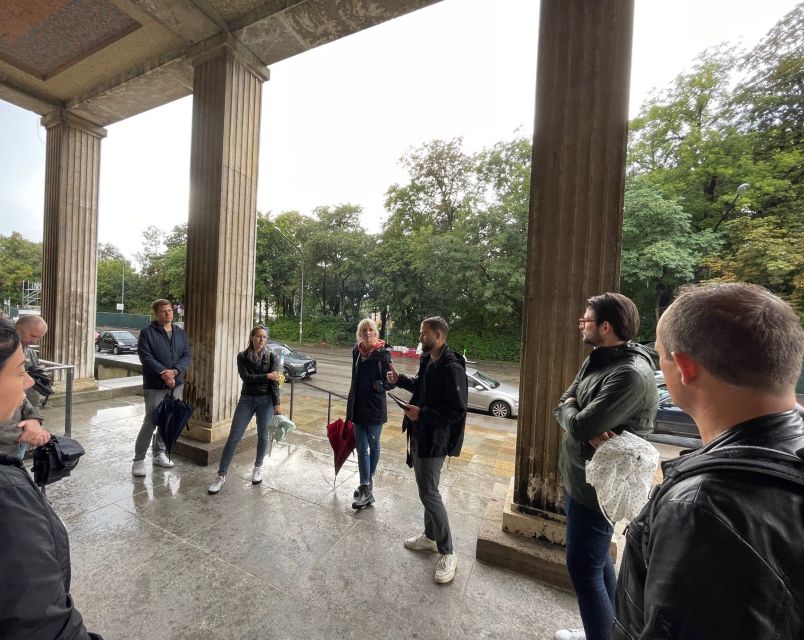
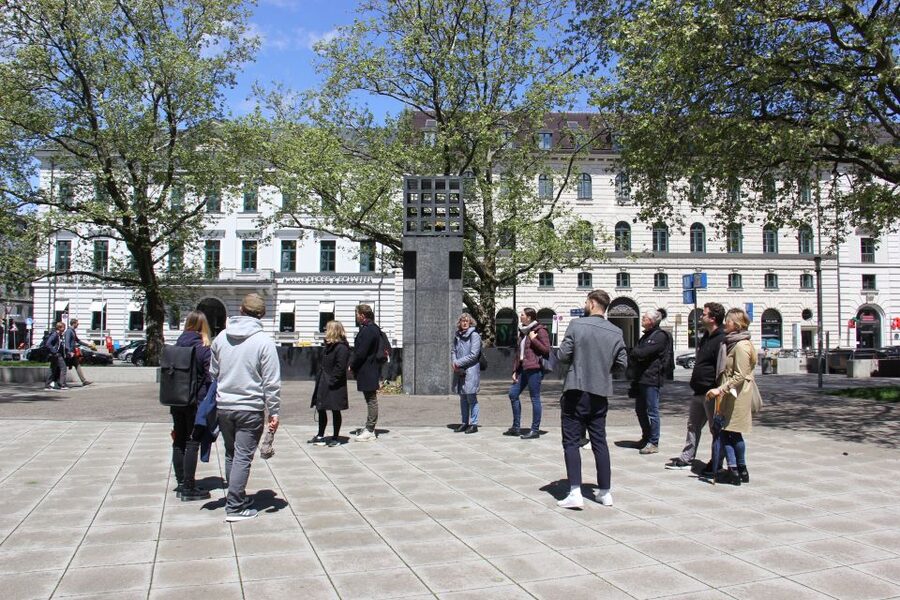
Munich looks peaceful until you read its walls. This historical walking tour with Alex turns everyday streets into a chronological map of the rise of Hitler and how Munich earned the title tied to the Nazi movement. You start right in the heart of the city at Marienplatz and the Marian Column, then keep moving through key squares and structures shaped by National Socialism.
I really like that Alex is a Munich-born guide with a clear mission: explain how something so inhuman became possible, and why it happened fast. He talks with context, answers questions, and keeps the pace flowing with small pauses built into the walk.
One consideration: this is serious, dark history, and even with humor woven in, you should be ready for uncomfortable topics and imagery related to Nazi power.
Key things you’ll notice on this walk
- Alex’s chronological approach, so the story builds step-by-step rather than as random facts
- Real Munich context, tying national events back to places and buildings in the city
- Sites linked to speeches, parades, and Nazi worship practices, presented in walking order
- A focus on structures that survived the war, and how they still shape the skyline
- A local-guide style, including practical recommendations to keep exploring Munich after the tour
Why Munich, and why a walking tour works
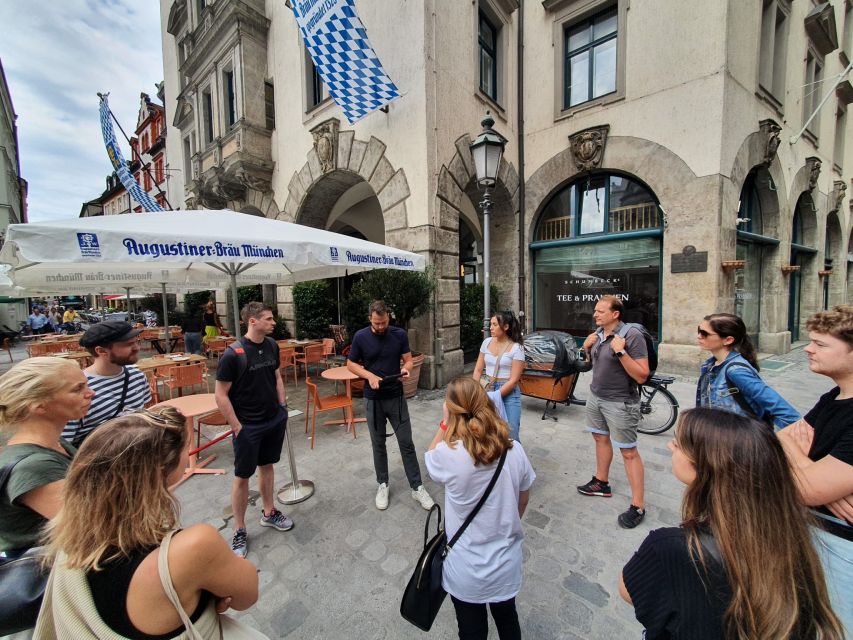
Munich has a reputation for being open, easy to like, and wrapped in artsy confidence. Then you look closer, and the city starts telling another story. This tour is built to help you connect the dots between a flourishing European cultural center and the birthplace of National Socialism.
A walking route is a smart way to learn this kind of history. You do not just watch history behind glass. You experience it on the same streets where speeches, ceremonies, and propaganda mattered. Even when you are just standing at a square, the buildings and sightlines do something to your sense of scale. That is the point.
This is also not a lecture that stays stuck in 1939 and 1945. The route follows the rise of the movement over time, explaining how Munich became central to the Nazis and why Hitler and the Nazi leadership treated the city like a stage.
Other walks through the same years
- Munich: Third Reich & WWII Walking Tour
★ 4.6 · 6,181 reviews - Third Reich Walking Tour Munich
★ 4.5 · 4,291 reviews - Munich: Birthplace of the Third Reich Guided Walking Tour
★ 4.6 · 771 reviews - Munich World War II Sites Including Dachau Concentration Camp
★ 4.5 · 570 reviews
Meeting at Marienplatz and starting with the Marian Column
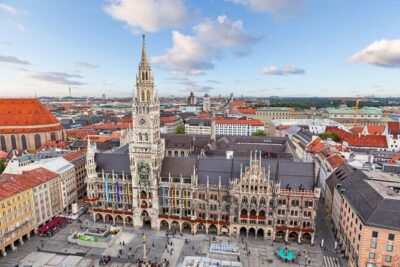
You begin at Marienplatz, meeting your guide at the Marian Column, the big column with a small golden statue in the center of the square. This is an ideal starting point because Marienplatz is where most first-time visitors already orient themselves. In other words, you get to feel the tour connect directly to the Munich you already know.
From there, the tour shifts from the comfortable tourist center into the city’s darker layers. Expect your guide to frame early context quickly, then start walking in a way that feels like history moving forward. If you arrive early, you can take a minute to get your bearings because the walk is only about 2.5 hours total, so you will cover ground.
A chronological route through propaganda-era Munich
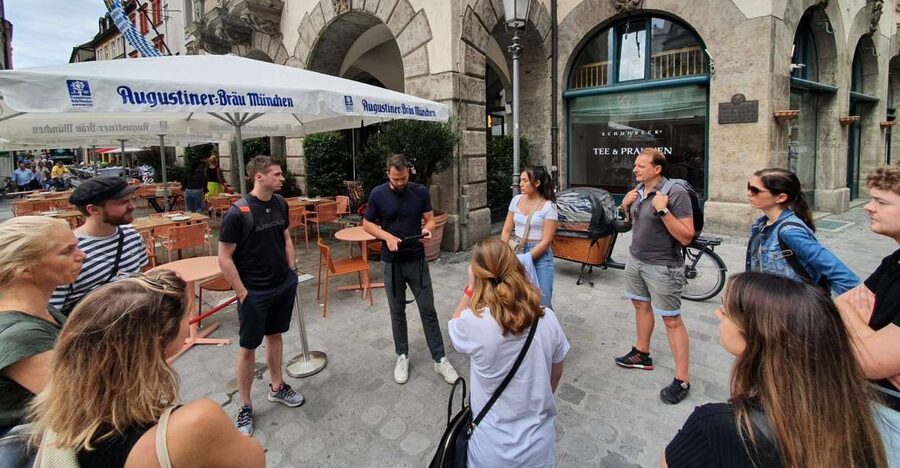
The heart of the experience is the way the tour organizes everything in order. Instead of dropping you at random sites, Alex guides you through the timeline that explains how the Nazis gained power and how Munich was used to advance it.
You will visit key buildings and squares tied to National Socialism, including sites built by the Nazis and places that were misused for worship. The tour also focuses on the Nazi building boom after Hitler’s rise, when propaganda architecture sprang up. A useful detail here is that many of these structures survived the war. So when you stand near them today, you are not just looking at old facades. You are looking at silent witnesses that shaped the cityscape for decades.
As you walk, the biggest value is the cause-and-effect storytelling. You start to see how ceremonial spaces, media messaging, and public rituals reinforced each other. Then it becomes easier to understand why Munich earned the dubious honorary identity connected to the Nazi movement. The story feels less like dates on a timeline and more like a system.
Hearing about Hitler’s early rise, in the streets where it mattered
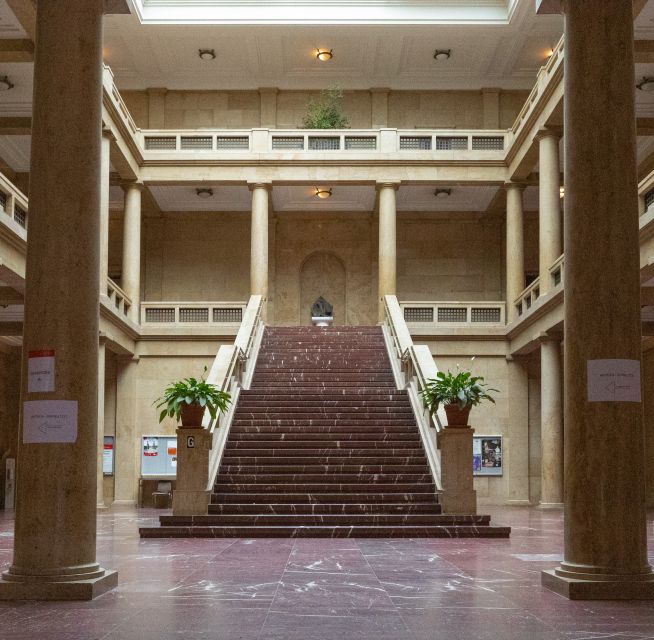
This tour leans into a key idea: the Nazis did not rise in an abstract vacuum. Munich played a decisive role, and the guide’s job is to show how.
You will hear about the turning points that elevated Hitler from a relatively unknown figure to the feared dictator of the Third Reich. The tour also highlights how Munich hosted the early machinery of Nazi public life, from speeches to parade culture. Even if you have read the basics, seeing it described next to the kinds of spaces Nazis used to gather people makes the history feel sharper.
One thing I appreciate about this kind of framing is that it avoids the trap of treating history as simple good versus evil. Alex’s approach is more “how did this happen.” That matters, because you are not only learning what occurred, you are learning how ordinary city life got pulled into extraordinary manipulation.
The buildings that survived the war, and why they still feel unsettling
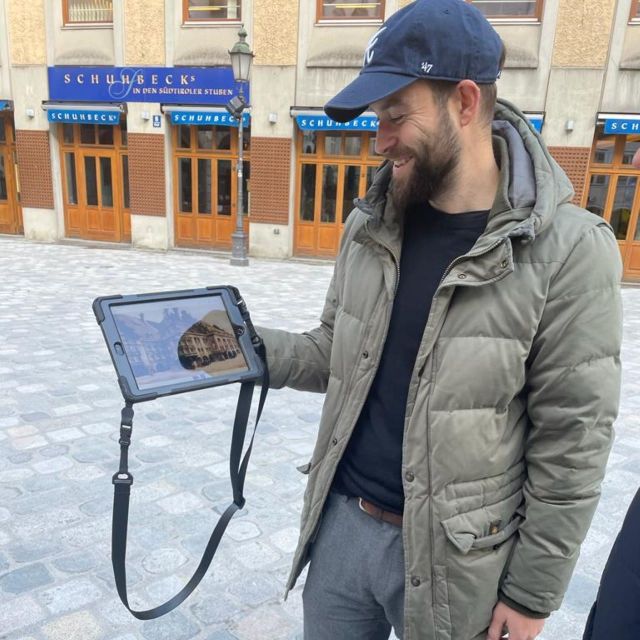
The tour’s attention to architecture is not just for aesthetics. It’s for meaning. The Nazis erected numerous propaganda buildings, and many of them remained after the bombings. That survival is part of why the tour feels important today.
As you move between sites, listen for how Alex connects the physical environment to political purpose. These buildings were built to be seen, to impress, to symbolize authority, and to reinforce belonging. When they stand in place decades later, they can still communicate power, even when you know the context is poisonous.
This is also where the tour’s “Munich on the surface, truth underneath” vibe becomes real. You might recognize the style or the streetscape. Then the guide explains what it was doing back then, and suddenly it is harder to look away.
The emotional hit is intentional. This is not a history walk that stays polite. But it is also not graphic or sensational. The impact comes from the idea that this system used everyday public space.
How Alex keeps a dark topic human, with context and humor
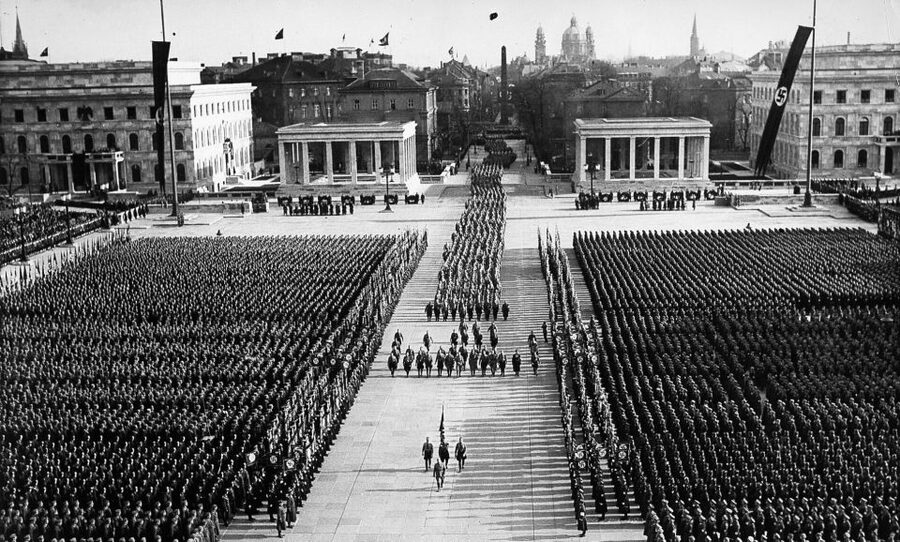
Alex is the reason this tour feels different from a standard “Nazi history at a distance” experience. He is a young professional guide, 32, born and raised in Munich, and he has been involved with this topic since his youth. His motivation, as he explains it on the tour, is understanding how National Socialism rose and why it destroyed Europe so quickly.
What I like most is that the tour treats serious subject matter seriously without turning it into a grim slog. Alex makes room for humor and lightness in a way that does not minimize what happened. That balance helps you stay present. It also makes it easier to ask questions.
You can also count on a guide who engages rather than recites. The tour includes time for questions and short breaks during the walk. People are not just herded along. The pace supports understanding.
And there is a practical local element too. The tour includes personal recommendations to explore Munich like a local, which means you get more value than just the historical lecture.
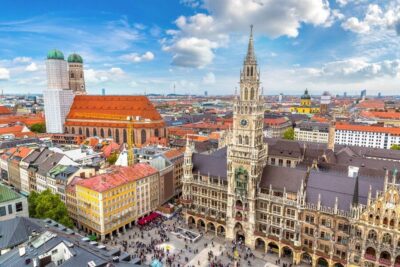
More of the Altstadt on foot
Pace, timing, and what to wear for a 2.5-hour walk
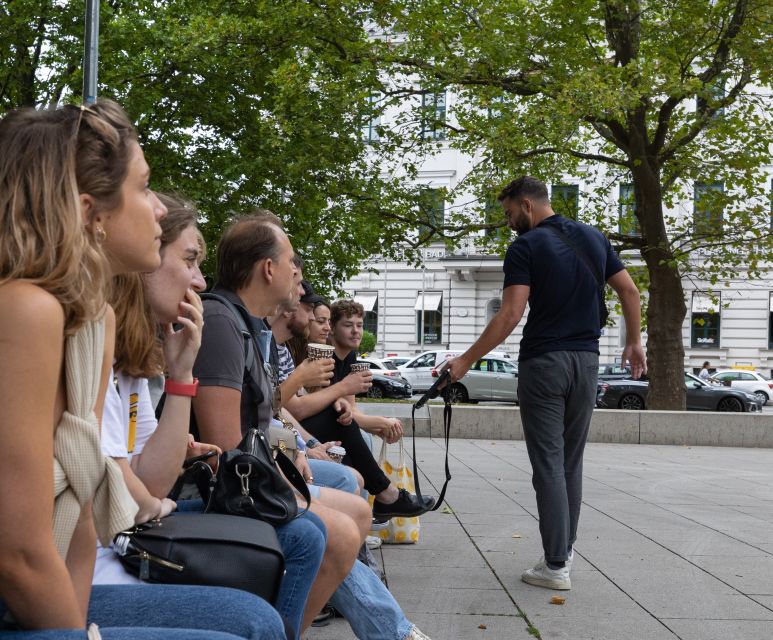
This is a 2.5-hour guided walk, rain or shine. That means comfortable footwear is not optional. Bring shoes that handle uneven pavement and long standing moments, especially if you stop at squares where you will wait while Alex explains key context.
Because the tour is chronologically organized, you might feel a steady build rather than a stop-and-start pattern. Expect the walking time to be part of the learning process. You are not in and out of buildings, and there is no hotel pickup. This is designed for you to meet your guide, walk together, and take it all in on foot.
Wheelchair access is listed, so the route is set up with accessibility in mind. Even then, you should be prepared for city walking conditions.
Price and value: how $30 fits a local-guide history experience
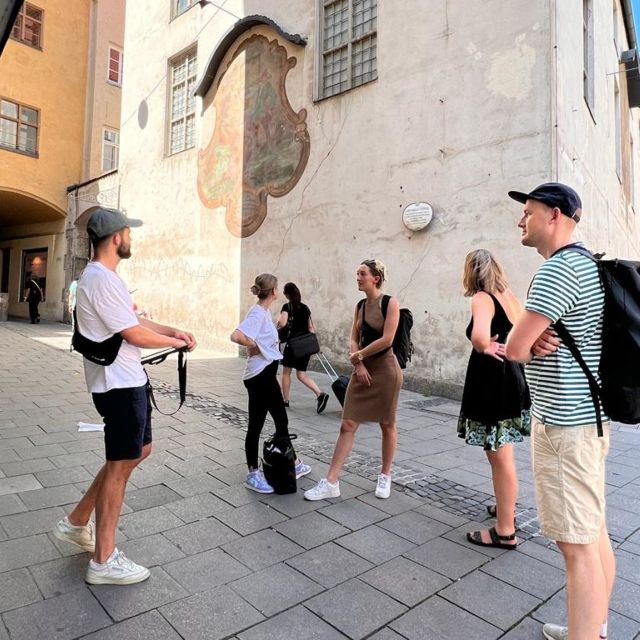
At $30 per person for a 2.5-hour tour, you are paying for more than a few photos and a generic overview. You are paying for a local guide with personal investment in the story, and for the added value of context that connects Munich’s buildings and public spaces to how the Nazis built their movement.
This kind of history tour can be hard to price because it is not entertainment. It is interpretation, and that takes skill. Alex’s background and approach help justify the price, especially if you want something more than a self-guided route.
You also get practical takeaways: the tour includes recommendations to explore Munich like a local. In a city where it is easy to spend all your time in one zone, that matters.
If you are trying to decide between general sightseeing and this history-focused walk, think about what you want your trip to feel like. This tour adds weight and clarity to the story of Munich, not just its postcard version.
Who this tour suits best
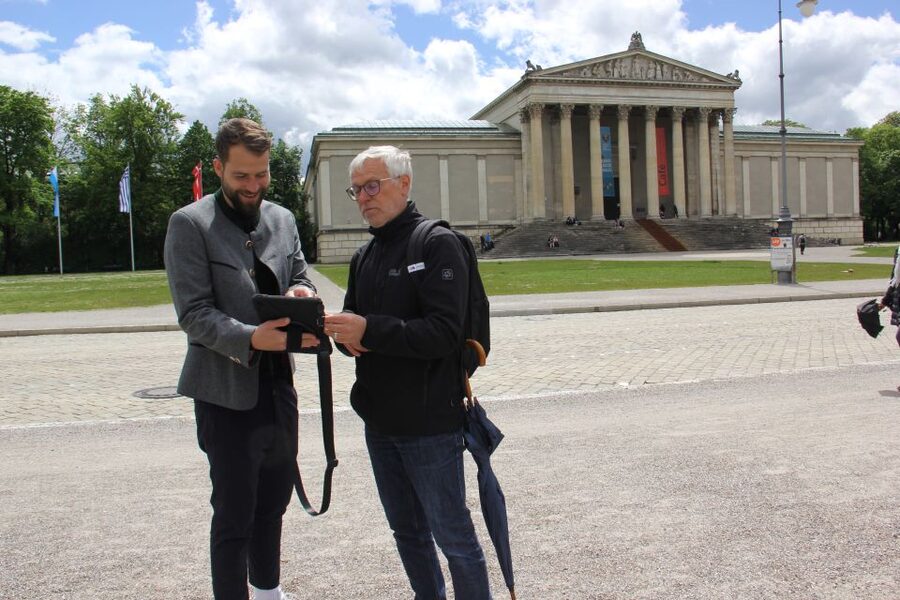
This tour works well if you want history that is tied to place. You do not need to be a history professional, and Alex explicitly frames participation as open to young and old alike. If you can handle walking and listening through a serious topic, you will likely find the format approachable.
It is also a strong pick if you already know some basics and you want better connections. Munich is not just a backdrop here. It is part of the mechanism of how the movement gained momentum.
Even if you live in Munich or know the center well, you can still get value. The guide’s focus is on places that can look familiar while telling a different story once you know what to watch for.
Should you book this Munich Stories tour or skip it?
Book it if you want Munich history that is specific, walkable, and guided by someone local who can explain the rise of Hitler through the city’s real squares and surviving Nazi-era structures. Alex’s chronological storytelling, the option to ask questions, and the fact that the tour stays serious while still human makes this a memorable 2.5 hours.
Skip it if you are not up for heavy content, even when handled carefully. This is about National Socialism and the Nazi movement’s footprint in Munich, so it is not a light add-on between museums.
If you do book, plan your day with comfortable shoes and mental space. Give the tour your full attention for the first hour, because that is when the story starts clicking into place.
FAQ
Where is the meeting point for the tour?
You meet your guide in central Marienplatz, at the Marian Column, the large column with the small golden statue in the middle of the square.
How long is the Munich historical walking tour?
The tour lasts about 2.5 hours.
What language is the live guide?
The live tour guide speaks German.
Is the tour wheelchair accessible?
Yes, the tour is listed as wheelchair accessible.
Will the tour run in bad weather?
Yes, the tour takes place rain or shine.
What should I bring?
Wear comfortable shoes, since it is a walking tour and you will spend time standing and moving around the city.
More Tours in Munich


More Tour Reviews in Munich
The Same Years, Other Routes


Newest Munich and Bavaria reviews
- Scenic Adventure Private Day Tour to The Konigssee Salzburg★ 4.5 · 3 reviews
- Jewish Museum & Jewish Quarter Guided Tour with Tickets★ 4.0 · 3 reviews
- Private Linderhof Castle, Entry-Ticket – optional Toboggan Run★ 5.0 · 3 reviews
- Private Transfer from Munich to Salzburg, English-speaking driver★ 3.5 · 3 reviews
- Private tour from Munich to Rothenburg and Harburg★ 5.0 · 3 reviews
- Arrival Transfer Munich Train Station to Munich by Luxury Van★ 5.0 · 3 reviews
Munich Third Reich and WWII History Tours, compared.
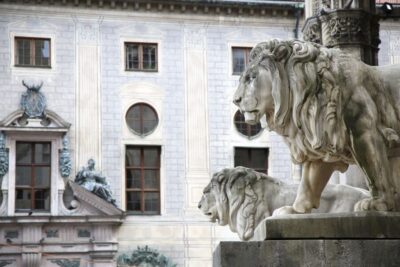 ★ 4.6Third Reich & WWII Walking TourFrom $316,181 reviews
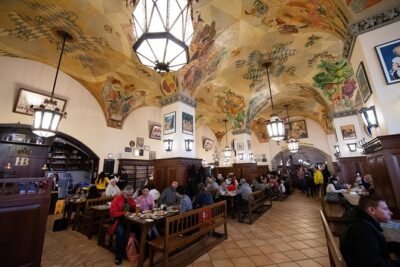 ★ 4.5Third Reich Walking Tour MunichFrom $454,291 reviews
 ★ 4.6Birthplace of the Third Reich Guided Walking TourFrom $29771 reviews
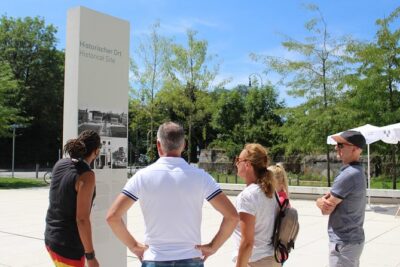 ★ 4.5Munich World War II Sites Including Dachau Concentration CampFrom $105570 reviews
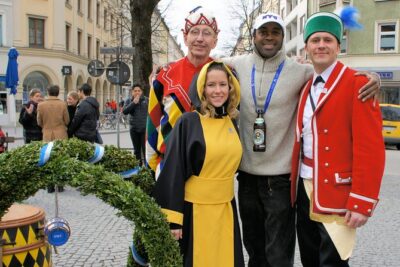 ★ 5.0Munich City Walking Tour, includes Third Reich & ViktualienmarktFrom $31458 reviews
 ★ 4.5Third Reich & WWII Walking TourFrom $35417 reviews
 ★ 4.9Munich 3-Hour Segway Tour: Nazi Munich & Royal ArchitectureFrom $91194 reviews
 ★ 5.0Dachau Concentration Camp Memorial Site And Third Reich Day Tour From MunichFrom $145185 reviews