
REVIEW · MUNICH THIRD REICH AND WWII HISTORY TOURS
Munich: Resistance against Hitler – Historical Walking Tour
Munich tells its resistance story with grit and facts. I love how the route places White Rose into the actual streets and buildings you walk past, and I also love that the guide, Alex, is a Munich local with a real passion for history. The one drawback to plan for is that the subject is heavy, so it feels more like moral history than light sightseeing.
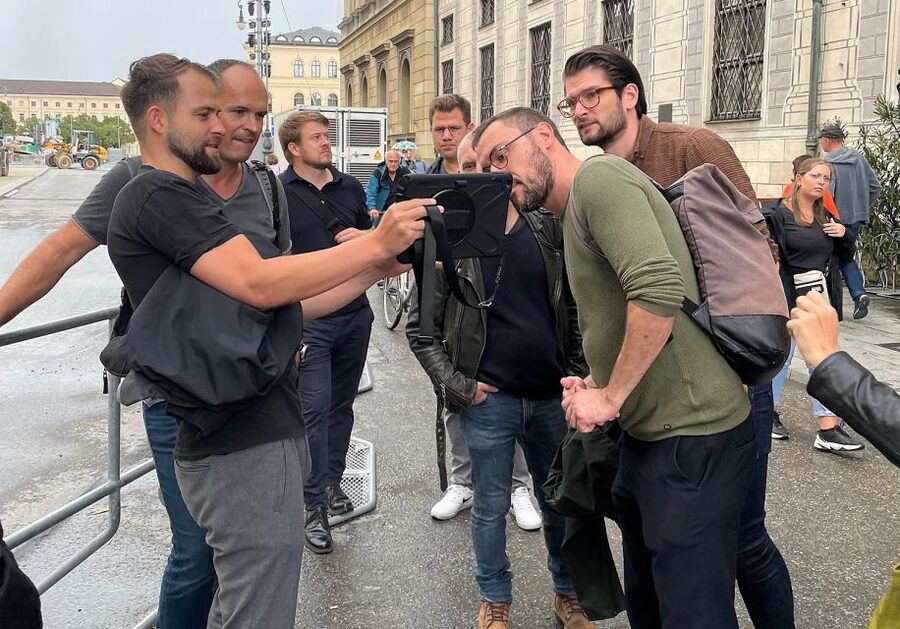
You start right at the LMU main entrance, at Geschwister-Scholl-Platz 1, and you keep moving for about 2 hours. You’ll pass through key original sites tied to Nazi power and the resistance response, with time to ask questions and get clear explanations. The pace is steady walking, so you should expect comfort to matter.
This tour runs rain or shine, so bring comfortable shoes and dress for real weather. If you like learning facts, but also want the human stakes behind them, you’ll likely leave with a very different view of Munich.
Key things I’d bet you will care about
- White Rose in place, not just in textbooks
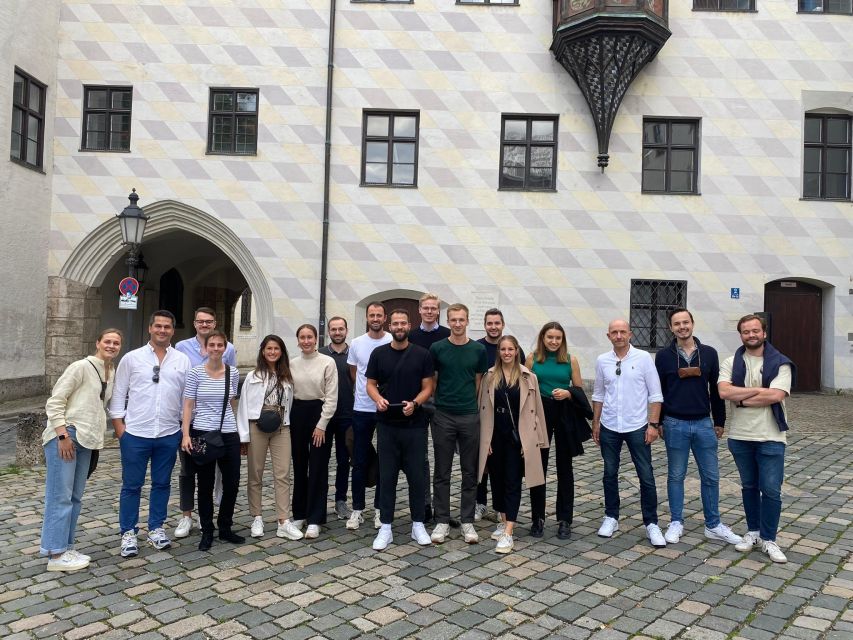
- Alex, a local Munich guide, with a tone that stays human even when the topic gets dark
- LMU fountain meeting point, easy to find and directly tied to the story’s beginning
- Sites connected to plots against Hitler, including the location tied to a bomb plan
- A dramatic military-coup thread, ending with your final stop at Odeonsplatz
- German-language guiding with strong Q and A, plus supporting visual material at the right moments
Munich Resistance on Foot: What This 2-Hour Walk Really Teaches
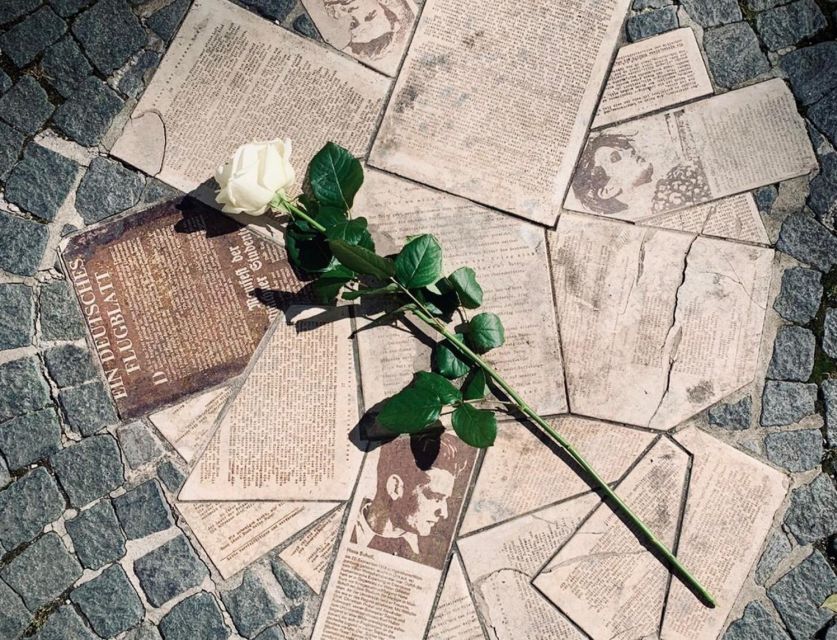
Munich has a reputation for art, beer halls, and big city energy, but this tour forces a different question: what does a city do when the loudest ideology takes over? You’ll learn that Munich was central to National Socialism, including Hitler’s early rise through speeches and the founding of the Nazi Party. Then you’ll shift toward the part people often skip, the men and women who resisted even when it could cost them everything.
I like how the tour doesn’t just name resistance groups. It treats resistance as a chain of decisions, from silent endurance to active risk. You also get the sense that these were not fantasy heroes. They were people in real institutions, working with limited time and terrifying uncertainty.
Because it’s only about 2 hours, it’s structured and focused. You get context fast, see key places, and leave with clear story lines rather than a foggy list of dates.
Other walks through the same years
- Munich: Third Reich & WWII Walking Tour
★ 4.6 · 6,181 reviews - Third Reich Walking Tour Munich
★ 4.5 · 4,291 reviews - Munich: Birthplace of the Third Reich Guided Walking Tour
★ 4.6 · 771 reviews - Munich World War II Sites Including Dachau Concentration Camp
★ 4.5 · 570 reviews
Meeting at LMU: Why the White Rose Stories Start at Geschwister-Scholl-Platz
The meeting point is the big fountain in front of the main entrance of Munich University (LMU), address Geschwister-Scholl-Platz 1. Starting here matters because LMU is tied to the same city machine that helped enable Nazi ideology in the first place, so the tour begins with contrast. You’re not just walking around, you’re walking into a theme.
From the start, you move toward original historical sites, including the main University building area. That choice gives you a strong sense of how ideology and institutions can overlap in one place. It also makes the stories feel grounded. You can stand where students, officials, and the public would have been moving through daily life.
One practical thought: this is a walking tour, so plan for footwear that can handle cobbles and long city blocks comfortably. The tour runs rain or shine, so you will not get a break just because the weather decides to join the plot.
Alex the Munich Local: A Serious Topic, Not a Stiff Lecture

Alex is not just a translator of facts. He’s a Munich local with a passion for history, and you feel that in the way he explains the resistance. Based on how the tour comes across, he uses story structure to keep the atmosphere clear even when events are tragic. You’re guided, but you’re also invited to ask questions.
What I appreciate is the balance. The information is serious, but the experience is not cold. The tone matters here because the material includes attempted assassination, conspiracies, and people who acted at extreme personal risk. Alex keeps it understandable, and he also seems to make room for curiosity rather than forcing people to sit silently.
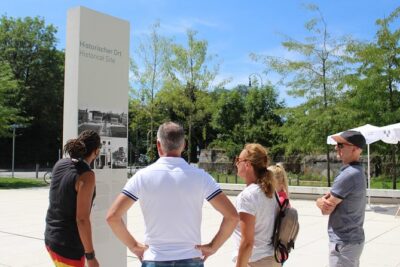
The tour also uses supporting visual material. That helps when you’re dealing with groups like the White Rose and with plans that are hard to imagine just from words. Seeing documents or pictures at the right moments helps your brain lock onto what you’re learning.
From Nazi Power to Quiet Dissent: White Rose and Youth Resistance
You’ll learn that Munich was the birthplace and staging ground for National Socialist momentum, including propaganda that shaped the city up to the end. The tour doesn’t gloss over that. It gives you the setting, then shifts into how resistance took root inside that environment.
The White Rose is one of the main threads, and it gets presented as something bigger than a single headline story. You learn why this resistance mattered and why it was dangerous. The key idea you take away is that resistance was not only about battles. It was also about words, courage, and refusing to let lies become normal.
A second thread focuses on youth resistance. The tour highlights that younger people were prepared to resist when many older people deliberately looked away. That contrast is uncomfortable, but it’s important. It helps you understand that resistance is often a generational decision, not only a political one.
As you walk, you also get a feel for how propaganda and normal daily life could exist side by side in the same city. That makes the White Rose story stick. It stops feeling like distant history and starts feeling like a warning about how silence can be just as powerful as violence.
The Bomb Plot Location: Standing Near the Idea of Stopping Hitler
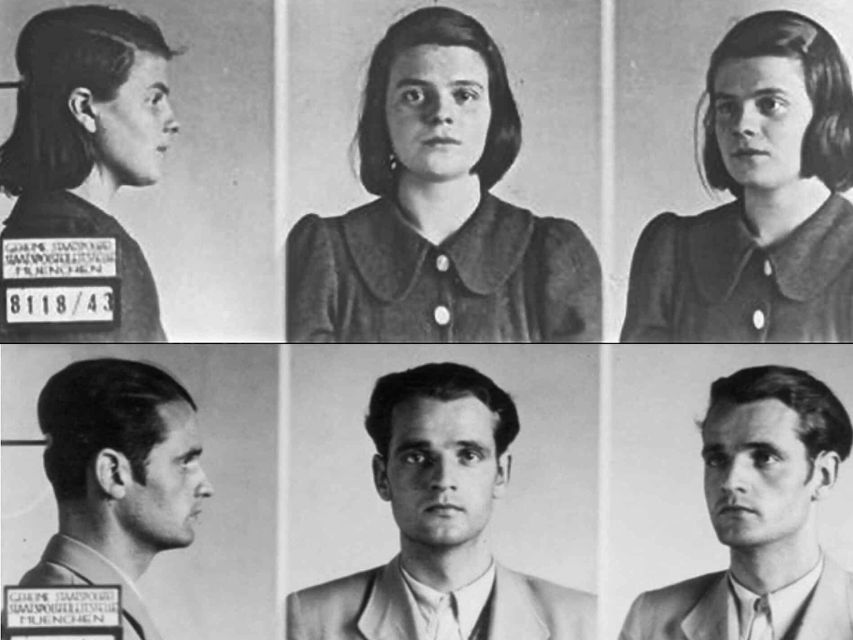
One of the tour highlights is the place where a lonely man built a bomb to kill Hitler. The story stays focused on the fact that this was not just talk. Someone chose to act, even knowing how unlikely success could be and how brutal punishment would likely be.
You get more than a plot summary. The walk frames the assassination attempt as part of a larger climate of resistance. It connects the personal decision to a broader question, what can you do when a dictator has built a system that punishes dissent?
I think this stop is one of the most emotionally intense moments on the tour, because it forces you to confront a simple truth: resistance sometimes takes extreme form when normal channels fail. You’re left to wrestle with the weight of that, not just the mechanics of it.
A Military Coup in the City: How the Plan Showed Up in Munich
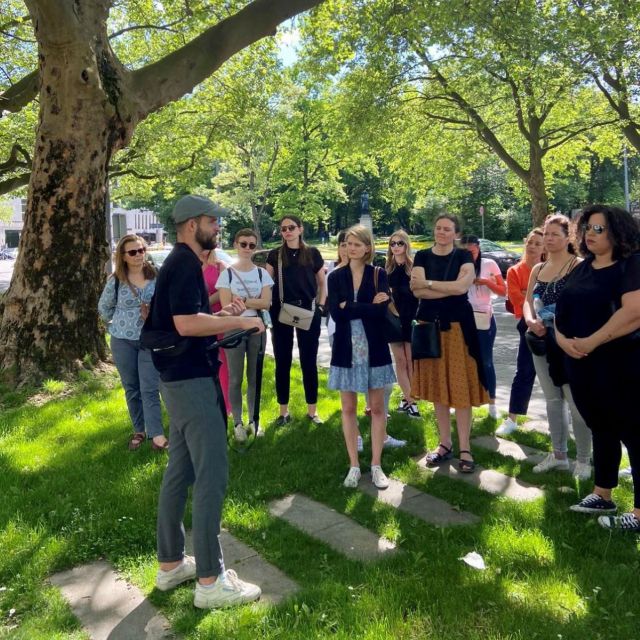
The tour also includes an original sight of a dramatic military coup against the Nazis. That matters because it shows another type of resistance: not street-level refusal only, but attempts to remove the regime through power structures.
You’ll hear about a secret military plot as part of the route. You’re basically watching the resistance map change shape. It’s not one group, not one method, and not one clean storyline. It’s a set of overlapping attempts, some well known, some almost forgotten, and all facing overwhelming force.
This is also where Munich’s role feels especially complicated. The city is not portrayed as only victim or only villain. It’s shown as a real place where institutions could be both used and challenged. Standing in these locations helps you understand why plans had to be carefully timed and why secrecy was not a dramatic flourish, it was survival.
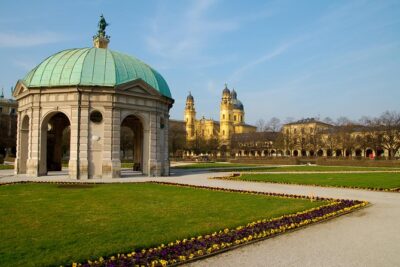
The tour’s last major story thread leads you to Odeonsplatz, where the walk ends. That final stop gives you a calmer setting after the intensity. You’re still thinking about the same moral questions, but you’re in a square you can actually picture yourself exploring after the tour.
More of the Altstadt on foot
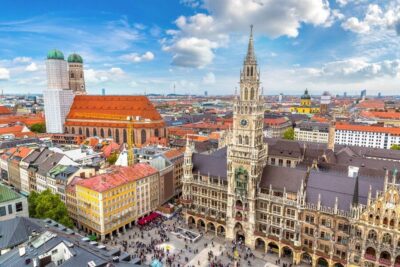
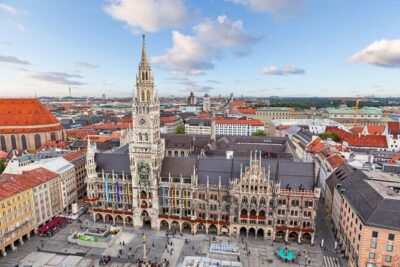
Using the Stops After the Tour: Where to Look in Munich Next
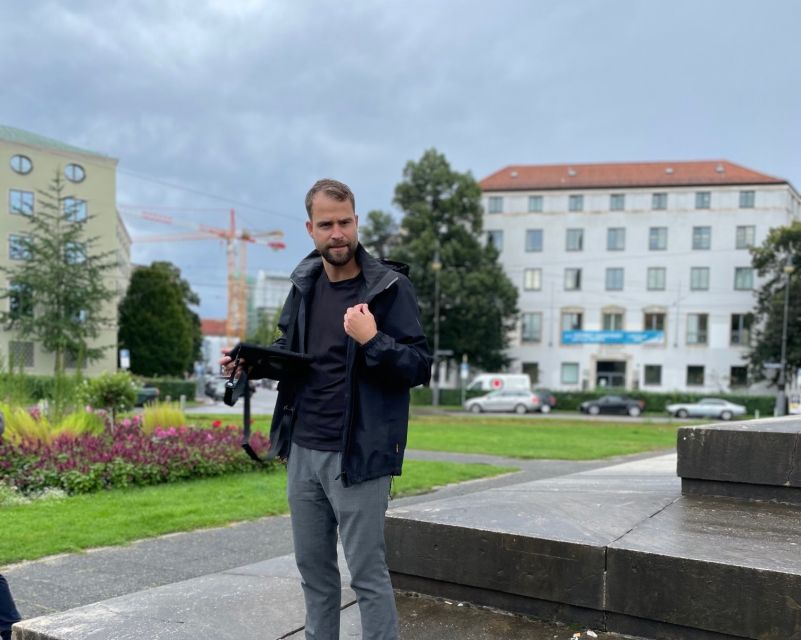
After a walk like this, you’ll probably start noticing layers. The buildings that once just looked like architecture will start looking like choices. You’ll also find yourself scanning the city for how ideology tried to recruit young people, control information, and pressure ordinary life.
One useful thing you get is personal recommendations from Alex for exploring Munich like a local. That’s practical because it gives you a next step right away. You can balance your learning with real experiences, not just more memorial stops.
If you’re planning your day, do this early or mid-trip. Doing it early helps you interpret what you see afterward. Doing it mid-trip can work too, as long as you leave time for reflection. Either way, you’ll get more from Munich when you understand that resistance stories were happening inside the same streets you’ll pass on your normal sightseeing routes.
Price, Pace, and Practical Comfort for $28
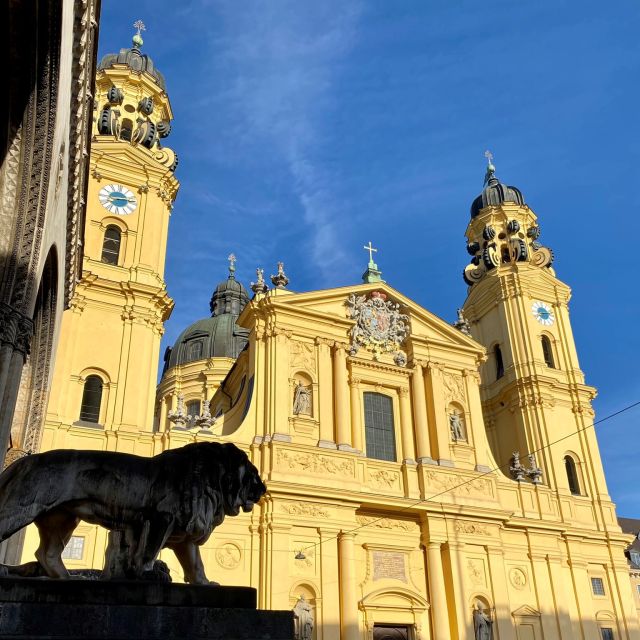
At $28 per person for about 2 hours, the value is in the guided access to the story. You’re paying for a local guide, Alex, plus his ability to connect major resistance threads to actual sites you can stand on. You’re also getting personal recommendations, so the tour does not end with the last sentence.
It’s a smart length if you want meaning without burning a whole day. Two hours is enough time to build context and walk between key points like LMU, the former Central Ministry area, and finally Odeonsplatz. It’s not so long that you feel drained by repetition.
Wear comfortable shoes. This is a rain or shine outdoor walk, so plan for wet streets and slick sidewalks if the weather turns. The tour is also wheelchair accessible, which is a big plus if you want to include mobility needs in your schedule.
Language is German, so you’ll get the most if you can follow German comfortably. If your German is basic, you might still enjoy the visuals and the structure, but the full experience depends on understanding the guide.
Who Should Book This Resistance Walking Tour
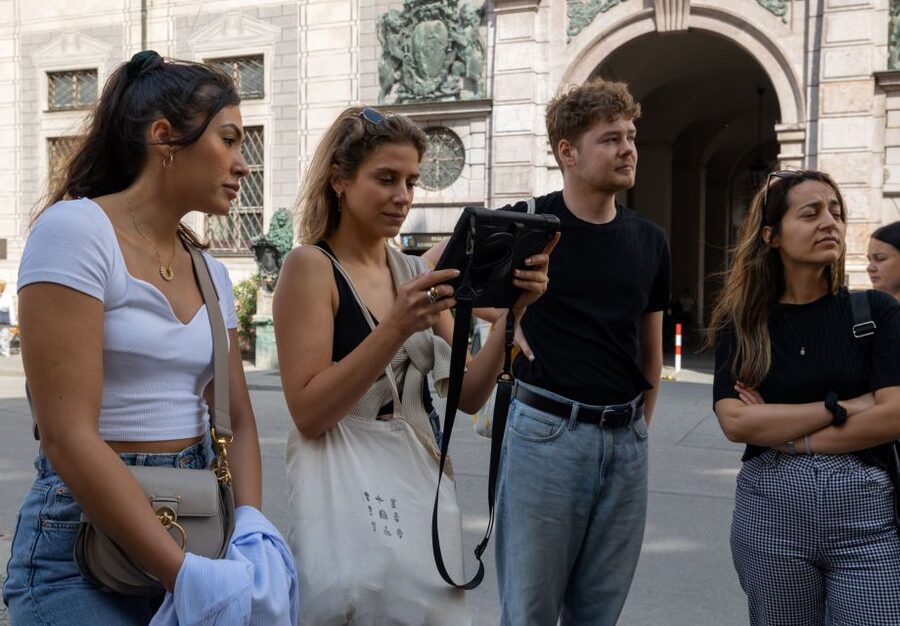
This is a great fit if you want Munich with meaning. You like history, but you also want human stakes, courage, and consequences connected to real places. It’s especially appealing if your knowledge is mostly limited to the White Rose, because the tour covers other resistance movements too, including plots and sites that are less commonly discussed.
You might also enjoy it if you like asking questions. Alex seems set up to handle curiosity, not just deliver a monologue. And because there are supporting visuals, it works well for people who learn better when facts come with references you can see.
If you prefer upbeat, light city vibes only, this may feel too serious. The story is tragic. That’s not a selling point, it’s the reality. But if you’re here to understand the city beyond postcards, it’s a strong choice.
Should You Book It?
I’d book it if you want a focused, high-impact Munich experience that goes beyond the obvious. For $28, you get an expert local guide in German, a tight route anchored to original sites, and story coverage that includes the White Rose plus additional resistance threads like military plotting and the bomb-related assassination attempt.
Skip it if you cannot handle serious topics or if you need an English-language guide. Also consider doing it on a day when you can walk comfortably for two hours, because rain or shine means you’ll be outside for the duration.
If your goal is to see Munich with clearer eyes, this tour is exactly that.
FAQ
Where does the tour start?
You meet at the big fountain in front of the main entrance of the University of Munich (LMU), at Geschwister-Scholl-Platz 1.
How long is the walking tour?
The tour lasts about 2 hours.
What language is the tour guide?
The live tour guide speaks German.
Is the tour wheelchair accessible?
Yes, the tour is wheelchair accessible.
What should I wear or bring?
Bring comfortable shoes, and plan for walking in real weather because the tour runs rain or shine.
Is hotel pickup included?
No, hotel pickup is not included. You should plan to arrive at the meeting point on your own.
More Tours in Munich




More Tour Reviews in Munich

The Same Years, Other Routes



Newest Munich and Bavaria reviews
- Scenic Adventure Private Day Tour to The Konigssee Salzburg★ 4.5 · 3 reviews
- Jewish Museum & Jewish Quarter Guided Tour with Tickets★ 4.0 · 3 reviews
- Private Linderhof Castle, Entry-Ticket – optional Toboggan Run★ 5.0 · 3 reviews
- Private Transfer from Munich to Salzburg, English-speaking driver★ 3.5 · 3 reviews
- Private tour from Munich to Rothenburg and Harburg★ 5.0 · 3 reviews
- Arrival Transfer Munich Train Station to Munich by Luxury Van★ 5.0 · 3 reviews
Munich Third Reich and WWII History Tours, compared.
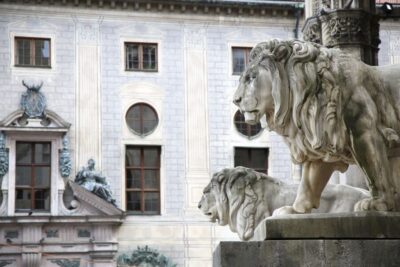 ★ 4.6Third Reich & WWII Walking TourFrom $316,181 reviews
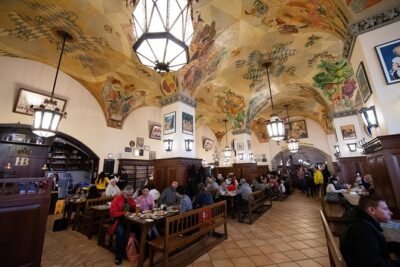 ★ 4.5Third Reich Walking Tour MunichFrom $454,291 reviews
 ★ 4.6Birthplace of the Third Reich Guided Walking TourFrom $29771 reviews
 ★ 4.5Munich World War II Sites Including Dachau Concentration CampFrom $105570 reviews
 ★ 5.0Munich City Walking Tour, includes Third Reich & ViktualienmarktFrom $31458 reviews
 ★ 4.5Third Reich & WWII Walking TourFrom $35417 reviews
 ★ 4.9Munich 3-Hour Segway Tour: Nazi Munich & Royal ArchitectureFrom $91194 reviews
 ★ 5.0Dachau Concentration Camp Memorial Site And Third Reich Day Tour From MunichFrom $145185 reviews