
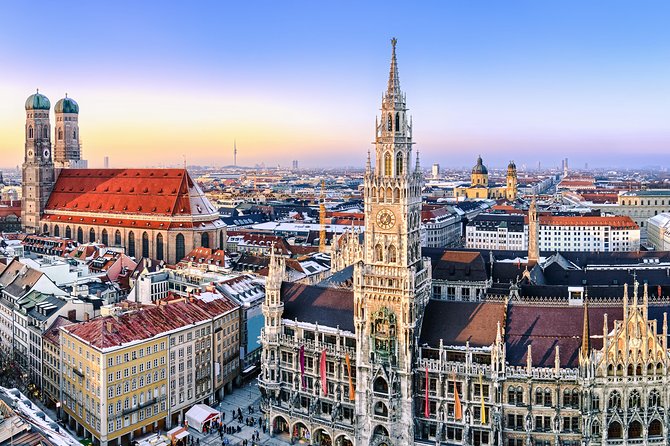
Marienplatz to Neuschwanstein.
Beer halls that seat three thousand, a castle two hours south, the memorial at Dachau. What each tour covers, what it costs, and where to book it.
Start with the castle and the beer hall.
Neuschwanstein takes a whole day and sells its timed slots weeks ahead. A Hofbräuhaus table takes an evening and no planning at all. Between them sits most of what a first Munich week is made of.
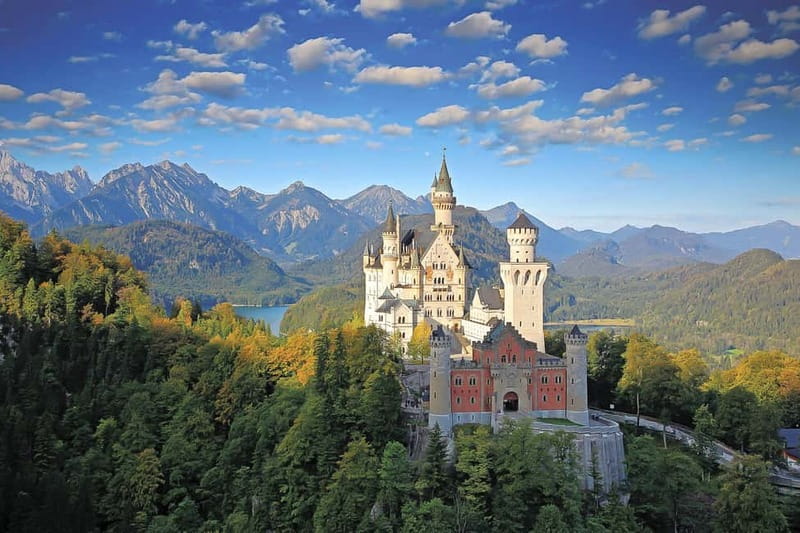
From Munich: Neuschwanstein & Linderhof Castle Full-Day Trip
Munich day trip to Neuschwanstein and Linderhof castles with Hohenschwangau, Marienbrücke views, guided story, and coach comfort.
From per person
Read the review → ★ 4.6Books out earlyThird Reich & WWII Walking TourFrom $316,181 reviews
 ★ 4.5Crowd pleaserNeuschwanstein Castle Tour from MunichFrom $955,117 reviews
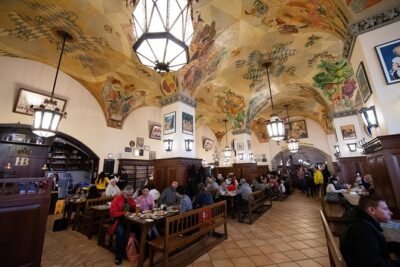 ★ 4.5Half a day, doneThird Reich Walking Tour MunichFrom $454,291 reviews
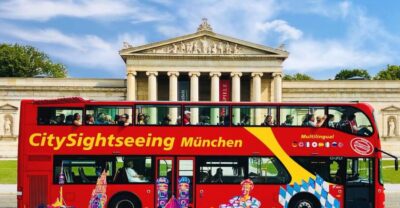 ★ 4.3Rain or shineMunich Hop-On Hop-Off Tour: 1-Day or 2-Day TicketFrom $274,161 reviews
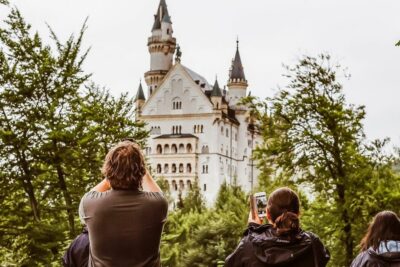 ★ 4.7Worth the eurosFrom Munich: Neuschwanstein Castle Full-Day TripFrom $933,977 reviews
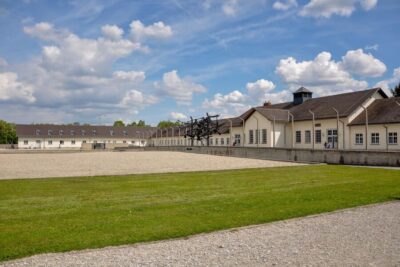 ★ 4.8Good with kidsFrom Munich: Dachau Memorial Site Day TourFrom $492,723 reviews
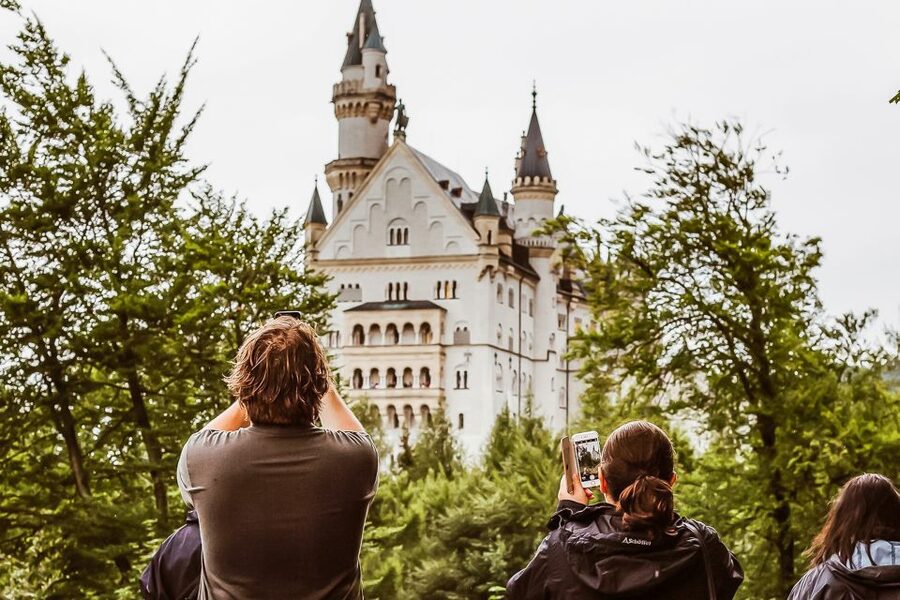
Neuschwanstein takes the whole day.
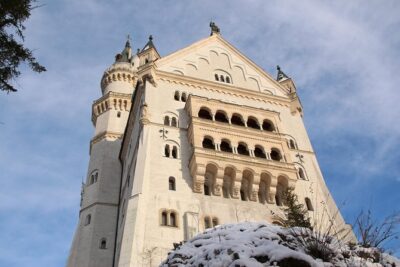
Coaches leave the centre around eight and the Alps show up an hour later. Most days pair the castle with Linderhof and a stop at Oberammergau, then hand you back around seven with a camera full of Hohenschwangau. Whatever you book, make sure the timed castle entry comes with it.
Which castle day suits your trip?
Almost everyone goes to Neuschwanstein, and the tour decides the rest of the day: how long you sit on a coach, whether Linderhof comes with it, how much time you get on the bridge. Here is how the three routes differ.
The direct run
Castle only, by coach
12,494 reviews
Out of the centre early, down the A7, and up the hill with a timed entry already booked. You get the interior tour, an hour on the Marienbrücke if the bridge is open, and enough of the afternoon left for Füssen. The shortest way to say you saw it.
See the direct castle tours →
Two palaces
Neuschwanstein and Linderhof
12,494 reviews
Linderhof before lunch, when its hall of mirrors is still quiet, then Oberammergau’s painted house fronts, then the climb to Neuschwanstein. Twelve hours door to door and the fullest version of Ludwig’s Bavaria you can do in one go.
Compare the two-palace days →
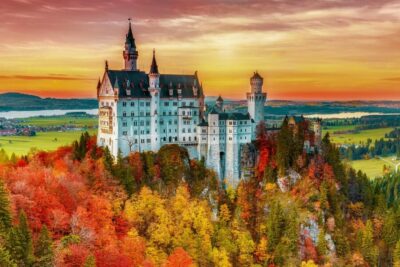 From the valley
Starting at Hohenschwangau
3 hours · from $74 · 693 reviews
For anyone driving down or staying near Füssen: skip the coach entirely and pick up a guide at the ticket centre. Shorter, cheaper, and it leaves room for the lake at Alpsee or the second castle on the other hill.
See the Füssen starts →
From the valley
Starting at Hohenschwangau
3 hours · from $74 · 693 reviews
For anyone driving down or staying near Füssen: skip the coach entirely and pick up a guide at the ticket centre. Shorter, cheaper, and it leaves room for the lake at Alpsee or the second castle on the other hill.
See the Füssen starts →
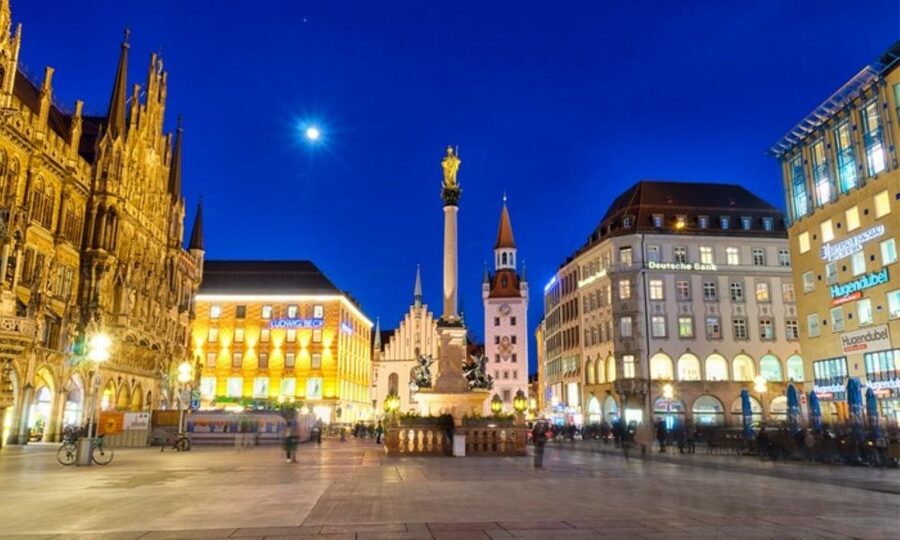
The old town after seven.
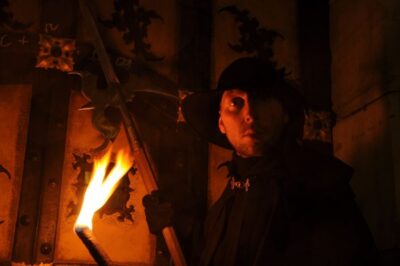
Torchlight follows the night watchman past the Rathaus and down lanes the day crowd never turns into. The long tables fill inside the beer halls, the Viktualienmarkt garden stays open under the chestnuts, and the last S-Bahn is later than you think. Munich runs its evenings slowly.
A litre, a pretzel, somewhere to sit.
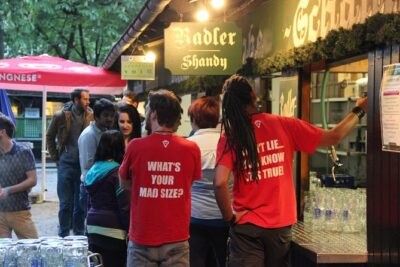
Hofbräuhaus is the one everyone names, but the good walks take in four or five halls and explain why Augustiner tastes nothing like the tourist pours. Three hours is standard and the beer is usually in the price.
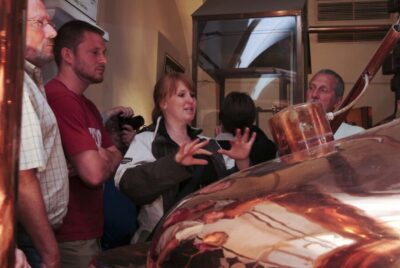
The Viktualienmarkt is breakfast.
Weisswurst before eleven is a rule Munich actually keeps, and the market stalls keep it with it. A tasting walk covers the cheese counters, the fish smokers and the beer garden in the middle in about two and a half hours.

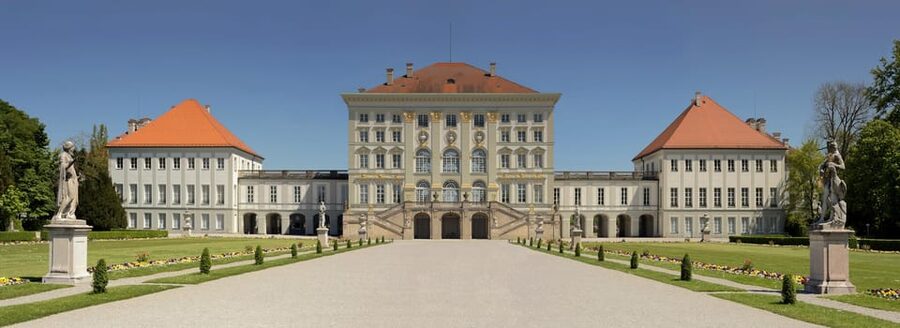
Bavaria kept its palaces.
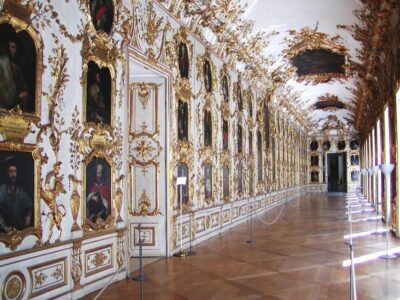
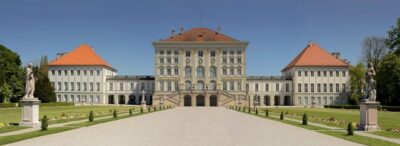
The Residenz runs to a hundred and thirty rooms and most visitors see ten of them. Nymphenburg sits at the head of its canal a tram ride from the centre, with the coach house and the porcelain works behind it. Book the guided rooms; the gardens cost nothing.
The history Munich does not skip.
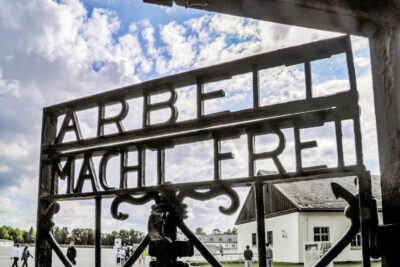
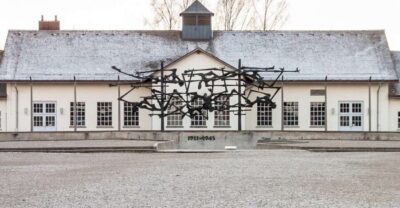
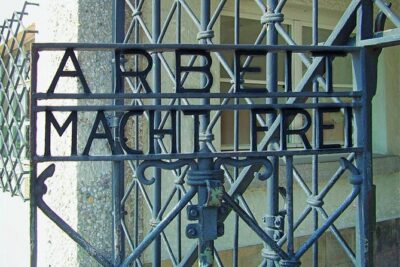
Dachau was the first camp, and the memorial site is forty minutes north on the S-Bahn. Guided visits run half a day and most include the train fare and a permit-holding guide. In the centre, the walking tours trace Königsplatz, the Feldherrnhalle and the buildings the party used, plainly and without theatre.
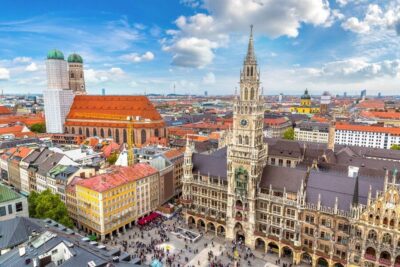
Most of Munich fits inside the ring.
Marienplatz for the glockenspiel and the crowd under it. The Viktualienmarkt for lunch at a shared table. The Englischer Garten for the surfers on the Eisbach. Nymphenburg for the long walk back down the canal.


Walk it, ride it, or take the train.
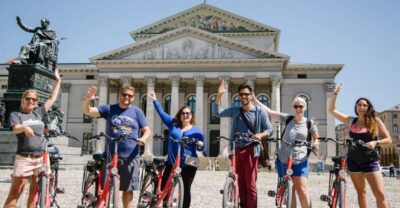
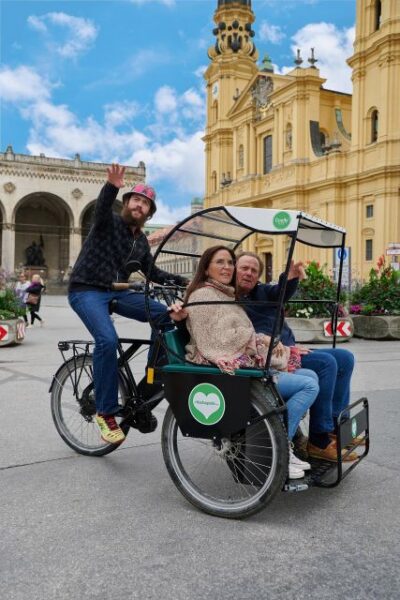
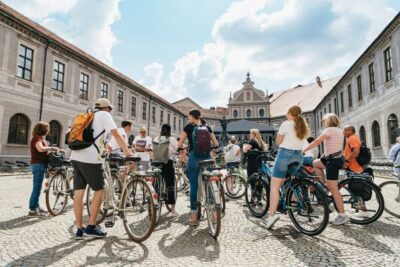
A two-hour loop of the Altstadt, a bike run along the Isar, a regional train south into the Alps: twelve ways a Munich day can go.

Bavaria starts an hour down the autobahn.
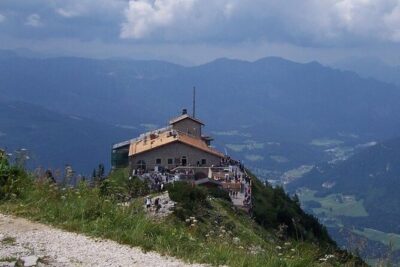
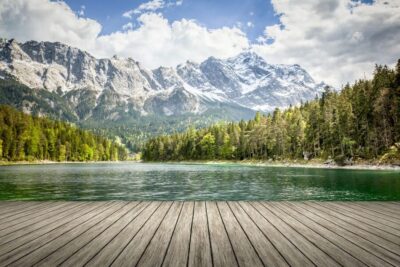
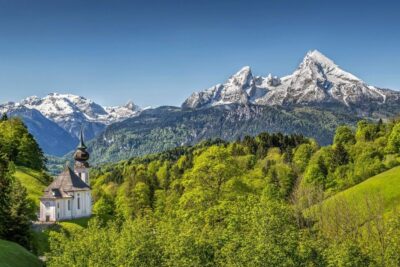
Coaches and regional trains leave early and have you back before dinner. The Alps are ninety minutes, Salzburg is under two hours, and Ludwig’s castles sit somewhere in between.
Three days that work in this order.
Centre first while your legs are fresh, the castle on whichever day the forecast is clear, and Dachau on a morning of its own.
 Day 1
The centre on foot
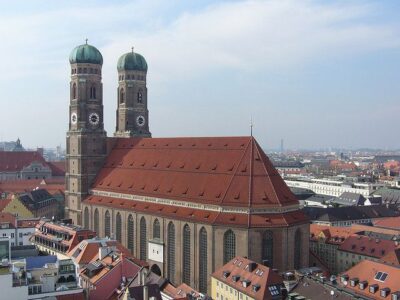
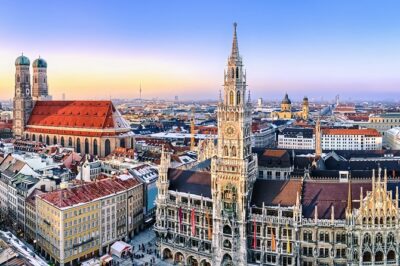
Marienplatz for the eleven o’clock glockenspiel, the Viktualienmarkt for lunch at a shared table, the Frauenkirche tower while the light holds. Finish on a beer hall bench.
Plan day one →
Day 2
South to the castles
The long coach day: Linderhof before lunch, Oberammergau’s painted walls, then Neuschwanstein with a timed slot in hand. Move this to the clearest sky of your trip.
Plan day two →
Day 1
The centre on foot
Marienplatz for the eleven o’clock glockenspiel, the Viktualienmarkt for lunch at a shared table, the Frauenkirche tower while the light holds. Finish on a beer hall bench.
Plan day one →
Day 2
South to the castles
The long coach day: Linderhof before lunch, Oberammergau’s painted walls, then Neuschwanstein with a timed slot in hand. Move this to the clearest sky of your trip.
Plan day two →
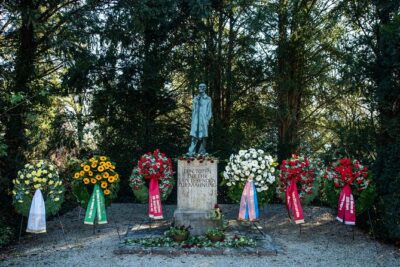 Day 3
Dachau, then the garden
A guided morning at the memorial site, forty minutes out on the S2 and back by early afternoon. Spend what is left of the day in the Englischer Garten.
Plan day three →
Day 3
Dachau, then the garden
A guided morning at the memorial site, forty minutes out on the S2 and back by early afternoon. Spend what is left of the day in the Englischer Garten.
Plan day three →
Latest Munich tour reviews.
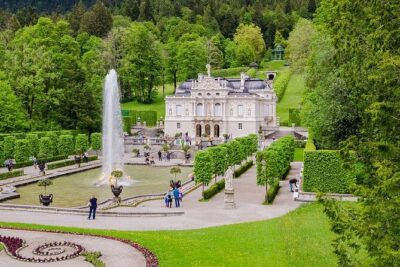 ★ 5.0Private Linderhof Castle, Entry-Ticket – optional Toboggan RunFrom $5643 reviews
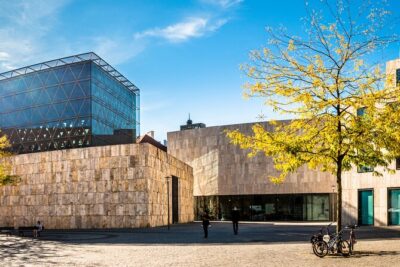 ★ 4.0Jewish Museum & Jewish Quarter Guided Tour with TicketsFrom $2483 reviews
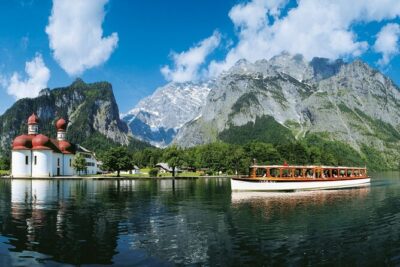 ★ 4.5Scenic Adventure Private Day Tour to The Konigssee SalzburgFrom $7863 reviews
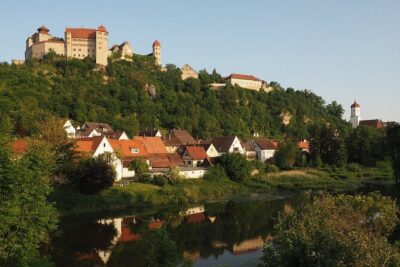 ★ 5.0Private tour from Munich to Rothenburg and HarburgFrom $4363 reviews
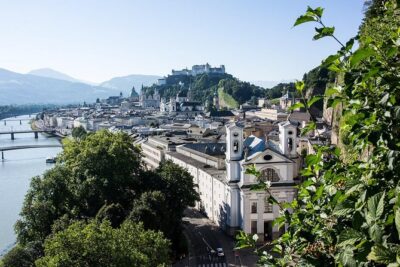 ★ 3.5Private Transfer from Munich to Salzburg, English-speaking driverFrom $2373 reviews
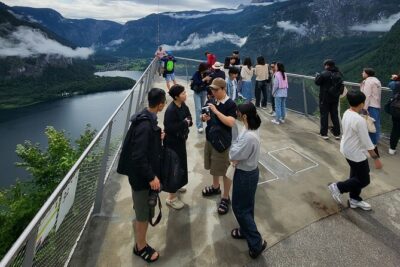 ★ 5.0Private Tour to Hallstatt Salt Mine and Skywalk with LunchFrom $8993 reviews
 ★ 5.0Private Munich Tour for History Buffs with Architectural Gems and WWII sitesFrom $2173 reviews
 ★ 5.0Arrival Transfer Munich Train Station to Munich by Luxury VanFrom $713 reviews