
REVIEW · CONCERTS
Festive Concert in the All-Saints Court Church
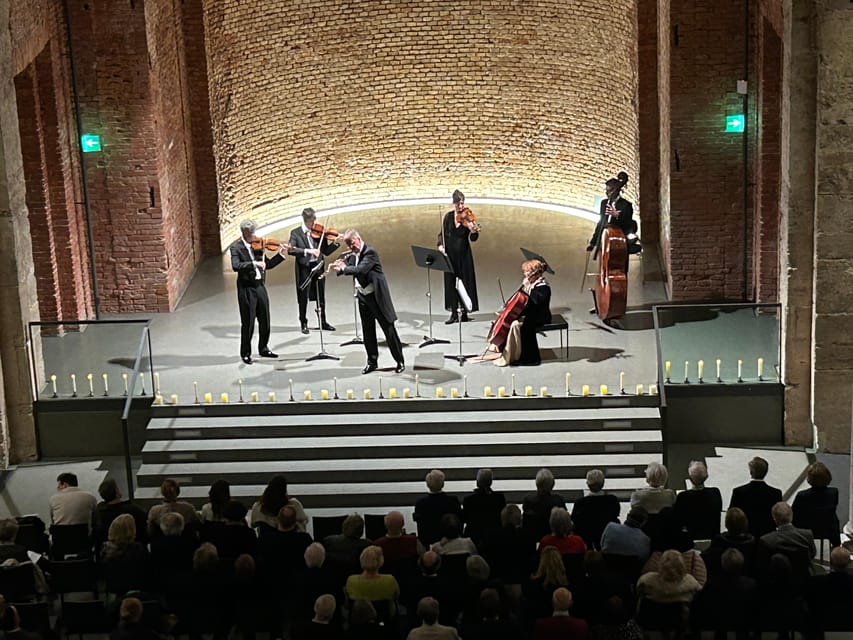
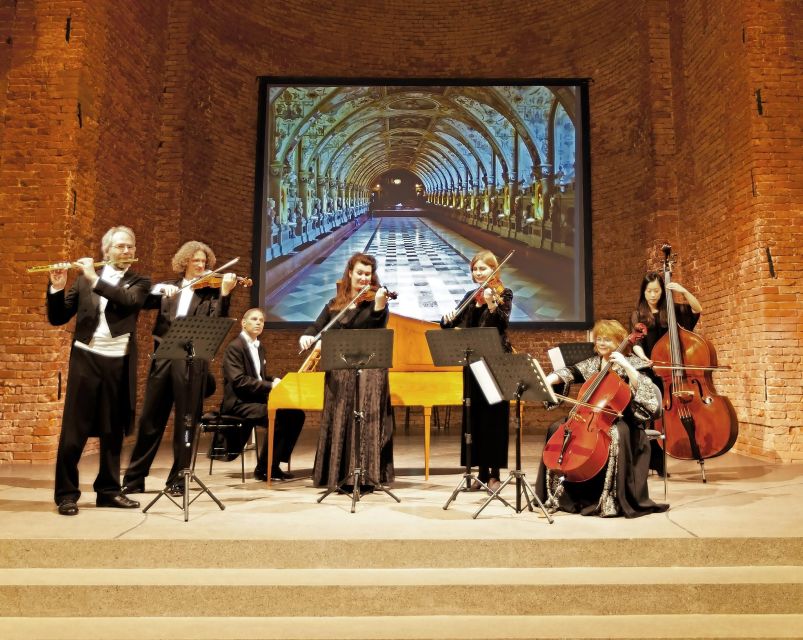
Mozart rings in a rebuilt Munich church. I like the way the All Saints Court Church turns a concert into something more physical than just sitting and listening, and I’m drawn to the Residence Soloists performing familiar favorites by Vivaldi, Mozart, Beethoven, and Tchaikovsky in a focused 2-hour program. One potential snag, based on what I’ve seen people struggle with, is that the ticket collection instructions can feel a little unclear, so plan to arrive early.
You’ll meet at Marstallplatz and get your seat assigned, with tickets held for you at the box office under your name. The box office opens about 30 minutes before the concert starts, which is exactly the kind of timing that helps you settle in and actually enjoy the music.
Key highlights you should care about

- Allerheiligen-Hofkirche is a concert venue with WWII scars that were rebuilt into a usable space
- Residenz soloists bring major composers into an intimate format for a 2-hour evening
- Your ticket is held for you under your name, with assigned seating
- Skip-the-line handling keeps the start time from feeling like a waiting game
- Clear do and don’t rules in the church (including no flash photography)
- Straightforward “show up and go” experience, based on past guests who found it uncomplicated
Allerheiligen-Hofkirche: Why the church setting changes the whole concert
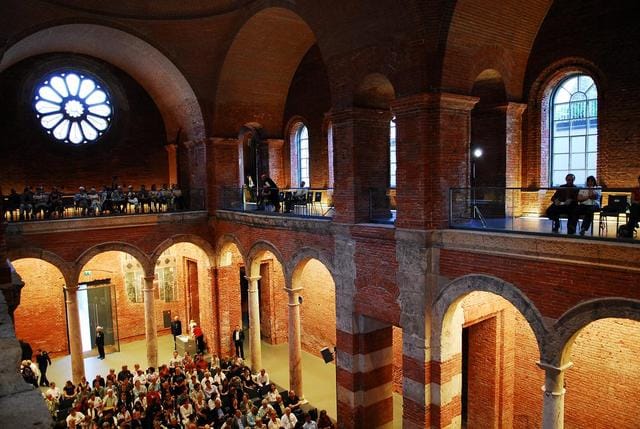
This isn’t just a room where music happens. The All Saints’ Court Church, inside the Munich Residence complex, carries a lot of atmosphere on its own. During World War II, the church was almost completely destroyed, then rebuilt in its present form as a reminder of what happened. Today, it’s a popular concert venue, which means it’s not museum-quiet. It is meant for sound, and it shows.
What I like about this kind of venue is how it nudges you to listen differently. When you’re in a historic space that was restored specifically to stand again, you tend to focus. Not in a solemn, stiff way. More like your attention has a natural anchor, and the music feels more intentional.
Also, the “court church” setting matters. You’re not out in a generic hall. You’re in a place tied to Munich’s official life and the Residence world. Even if you don’t care about architecture as a hobby, you’ll feel that the concert is happening inside a real, central location with ceremony built into the space.
The main consideration: a setting like this also means etiquette is part of the deal. The church has rules, and you should follow them without making it a big thing. You’ll enjoy it more if you treat it like a quiet performance zone rather than a sightseeing stop where you chat through the first minutes.
Other Munich concert nights
- Munich: Classical Concert at the Residenz Palace
★ 4.5 · 148 reviews - Munich: Concert in the Court Chapel of the Residenz
★ 4.4 · 108 reviews - Munich: Gala Concert in the Cuvilliés Theatre
★ 4.9 · 101 reviews - Master Concert in the Max-Joseph Hall in Munich
★ 4.9 · 49 reviews
The music lineup: Mozart, Vivaldi, Beethoven, Tchaikovsky in one festive evening
The program is built around major, instantly recognizable names. You can expect selected masterpieces by Vivaldi, Mozart, Beethoven, and Tchaikovsky. That is a smart lineup for a 2-hour concert, because it gives you variety without forcing you to sit through an entire multi-part cycle.
Here’s why that matters for your listening: when you have composers with very different styles, your ears wake up. Vivaldi brings forward momentum, Mozart tends to feel crisp and elegant, Beethoven adds muscle and drama, and Tchaikovsky often has a big emotional color palette. Even if you only know a few famous melodies, the changes between styles help you stay present.
And because this is performed by Residence Soloists, the sound tends to feel direct. You’re not relying on a huge wall of orchestral noise to make it work. The soloist format usually means you can hear musical details more clearly, like phrasing and balance between parts.
Possible drawback to keep in mind: the musical “mix” you experience can depend on what’s chosen for that particular concert date. Since the info points to selected masterpieces rather than one exact, fixed program, you should expect variety. If you’re the type who wants one specific piece guaranteed, double-check the concert date details before you go.
Price and value: Is $82 worth it for a 2-hour concert?
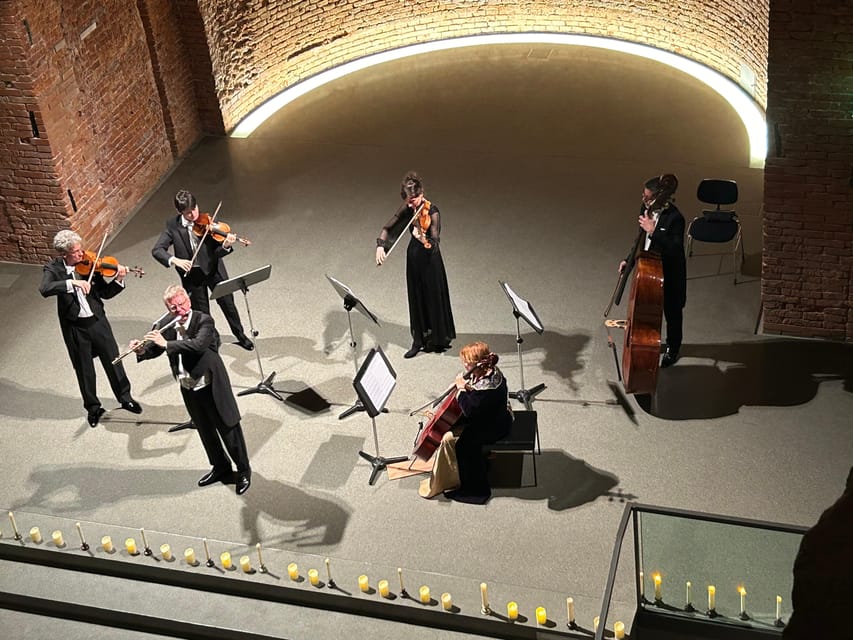
At $82 per person for a 2-hour classical concert, the price is in the “meaningful, not casual” category. So the question is value, not just cost.
Here’s what makes the value feel real:
- You’re paying for the combo of a special venue plus a curated program by respected Residence Soloists.
- You’re not paying extra for transfers, and you’re not forced into a long day. You just show up, sit, and enjoy.
- Ticket handling is designed to reduce friction: your tickets are held under your name, and seating is assigned. That usually means less time wandering and more time in your seat.
In other words, if you want a contained Munich evening where the setting does half the work and the performers do the rest, this price can feel fair.
The only time I’d hesitate is if you’re on a tight budget and you only want a quick taste of classical music. A concert like this is best when you’re in the mood for a real listening session, even if you’re not a hardcore classical fan.
Getting there and collecting your ticket at Marstallplatz
Your meeting point is Marstallplatz, 80333 Munich. You’re also told that transfers are not included, so you are responsible for getting yourself to the start point and then onward to the church area.
The good news is that the on-site process is set up to be simple:
- Your tickets are held for you at the box office under your name.
- The box office opens about 30 minutes before the concert begins.
- You have assigned seating.
- You can skip the ticket line, which matters when you arrive right before the start time.
If ticket instructions tend to confuse you in general, this is where you can protect your evening. I recommend you aim to arrive at least 20 to 30 minutes before the box office opens, or at least before that 30-minute window if you can manage it. Not because it’s complicated, but because you’ll get to find your seat, settle in, and avoid that last-minute scramble that makes even great music feel stressful.
For locating the venue on your phone, use this Google Maps link to find Allerheiligen-Hofkirche:
https://www.google.com/maps/place/Allerheiligen-Hofkirche/
Inside the concert: assigned seats, rules, and how to not ruin your own experience
Because seating is assigned, the concert becomes less about “where should I stand?” and more about “how should I listen?” That’s a big deal in churches. People moving around can change the atmosphere fast, and assigned seating helps keep the performance from turning into a traffic problem.
Plan to follow the venue rules without making them personal. The concert has clear restrictions:
- No weapons or sharp objects
- No sleeveless shirts
- No flash photography
These rules aren’t there to be difficult. They usually protect the performance environment and keep the church setting comfortable for everyone. If you’re wearing something like a sleeveless top, bring a light layer just in case. It’s a tiny fix that prevents awkward detours.
One more practical tip: once you’re inside, let your phone be boring. No flash. Minimal fuss. In a performance space like this, the best way to respect the music is to behave like the music is the point.
Also, check your timing. The box office opens about 30 minutes before the concert starts. If you arrive late, assigned seating can still be workable, but late arrivals tend to create stress. And stress is a sound-killer.
WWII rebuild context: what the church’s story adds to your listening
I appreciate the way the church’s history is part of the experience rather than a separate add-on. The church was almost entirely destroyed in World War II, then rebuilt in its present form as a reminder. Today, it’s used for concerts, which means the rebuilding didn’t just restore walls. It restored use, life, and public gathering.
That changes the emotional backdrop. When you hear music in a restored space like this, it’s not just entertainment. It can feel like a kind of cultural continuity, where the city chooses to keep music going in a place that had to be rebuilt from near nothing.
You don’t need a long lecture to feel it. You just feel that this is a space designed to hold people and sound again. That background can make even familiar composers feel slightly more vivid because the setting is telling you, quietly, that survival and renewal are part of the story.
There is, again, one practical consideration. The venue rules and the formal setting can make the concert feel more “ceremonial” than a casual outdoor performance. If you’re expecting a party atmosphere, you might feel a bit subdued. But if you want a focused classic-music evening in the middle of Munich, that formality is part of the charm.
Other Munich bookings for the same trip


What the reviews’ best moments suggest about the experience
The overall rating is strong, and the themes that pop up are the ones that matter most in real life: the setting, the performance quality, and the simplicity of the process.
People have praised:
- The church itself, calling it beautiful and interestingly restored
- The ensemble performance, describing the ensemble as excellent
- How uncomplicated it felt, meaning ticket handling and the run of the evening worked smoothly
There’s also at least one cautionary note about ticket pickup clarity and about how well soloists and ensemble feel together. That doesn’t mean the concert is bad. It simply tells you to take timing seriously and arrive prepared so you don’t start the concert annoyed.
So my take for your planning: assume it’s going to be a high-quality, church-based listening experience with professional musicians, and treat the ticket pickup step as something you should handle calmly and early.
Who this concert is best for (and who should skip it)
This fits you well if:
- You want a short, satisfying classical evening, not a half-day commitment
- You enjoy famous composers and want a program built around big names
- You like venues where the setting feels intentional, not generic
- You appreciate a smoother start, with tickets held under your name and assigned seating
It might be less ideal if:
- You’re very picky about having one specific piece you know you want
- You prefer informal, walk-in-and-mingle events
- You’re likely to arrive late and hate waiting, since the box office window and assigned seating are easier when you plan ahead
Also, if you have mobility needs, the activity is wheelchair accessible, which is a real plus. Just plan to arrive on time so you’re not trying to solve logistics while everyone is settling in.
Should you book this festive concert?
If you want an easy yes, here it is. Book it if you’re looking for a 2-hour classical concert that pairs major composer names with a dramatic Munich venue, and if you’re comfortable following simple church rules like no sleeveless shirts and no flash photography.
I’d skip or reconsider if you’re bargain hunting, you hate any chance of ticket-pickup confusion, or you only want a casual background experience. This is a “sit, listen, enjoy” evening.
And if you do book: arrive early enough to handle the box office calmly, check your seat once assigned, and let the church setting do what it’s built for. Mozart and Beethoven hit different when you’re listening inside a space that was rebuilt to be used again.
FAQ
How long is the Festive Concert in the All-Saints Court Church?
The concert duration is 2 hours.
Where is the meeting point?
The meeting point is Marstallplatz, 80333 Munich.
How do ticket pickup and entry work?
Your tickets are held for you at the box office under your name. The box office opens about 30 minutes before the concert begins, and seating is assigned.
Is there a ticket line to wait in?
You can skip the ticket line.
Are seats assigned?
Yes, seating is assigned.
Which composers are included in the concert program?
The program includes selected masterpieces by Vivaldi, Mozart, Beethoven, and Tchaikovsky.
Is the venue wheelchair accessible?
Yes, the activity is wheelchair accessible.
Can I cancel or pay later?
Yes. Free cancellation is available up to 24 hours in advance for a full refund. You can also reserve now and pay later.
More Munich Concert Nights
More Tour Reviews in Munich



Newest Munich and Bavaria reviews
- Scenic Adventure Private Day Tour to The Konigssee Salzburg★ 4.5 · 3 reviews
- Jewish Museum & Jewish Quarter Guided Tour with Tickets★ 4.0 · 3 reviews
- Private Linderhof Castle, Entry-Ticket – optional Toboggan Run★ 5.0 · 3 reviews
- Private Transfer from Munich to Salzburg, English-speaking driver★ 3.5 · 3 reviews
- Private tour from Munich to Rothenburg and Harburg★ 5.0 · 3 reviews
- Arrival Transfer Munich Train Station to Munich by Luxury Van★ 5.0 · 3 reviews
Concerts, compared.
 ★ 4.5Classical Concert at the Residenz PalaceFrom $43148 reviews
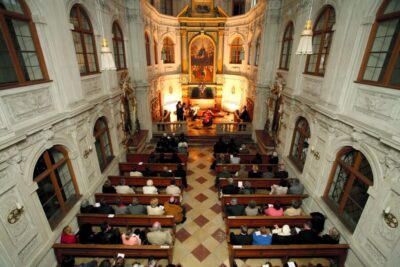 ★ 4.4Concert in the Court Chapel of the ResidenzFrom $50108 reviews
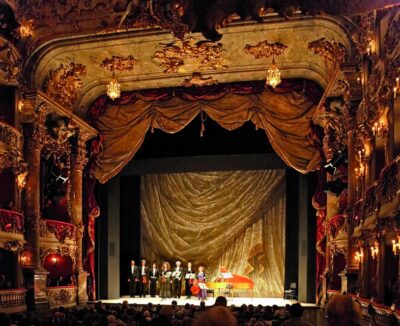 ★ 4.9Gala Concert in the Cuvilliés TheatreFrom $115101 reviews
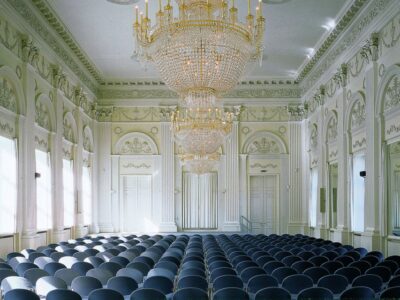 ★ 4.9Master Concert in the Max-Joseph Hall in MunichFrom $8149 reviews
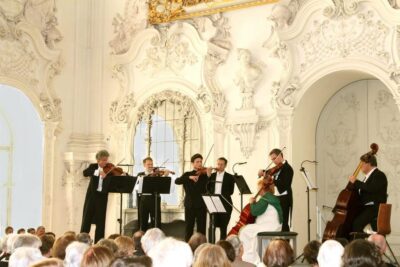 ★ 4.7Festive Concert at Schleißheim with Residence-SoloistsFrom $8125 reviews
Listed under