
REVIEW · DACHAU MEMORIAL TOURS FROM MUNICH
Full-Day Dachau Concentration Camp Memorial Site Tour from Munich
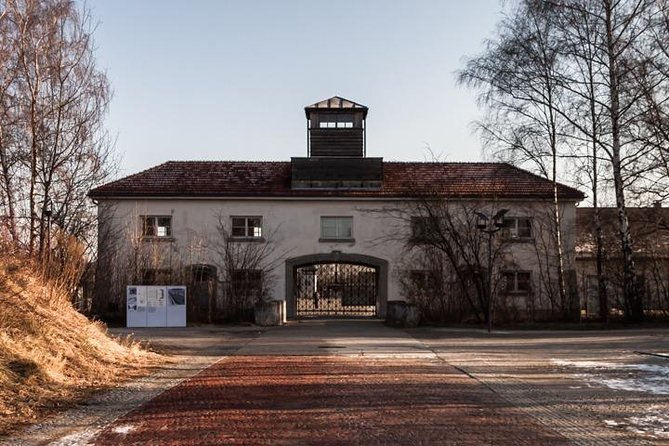
Dachau is heavy, but this tour adds clarity. I like the way the guide frames what you see at the Jourhaus and the roll call Appellplatz, so you understand what each space means instead of just ticking off sights. It is the kind of tour where history comes with names, timelines, and a careful pace.
I also like the built-in logistics: round-trip train and bus out of central Munich, plus a stop at Bahnhof Dachau where many prisoners arrived before forced marches. One possible drawback is that this day moves, and the camp time is structured, so if you want extra unhurried reading on every sign, you may feel you want more hours on site.
Key things to know
- Guides lead you through the biggest camp landmarks, including the entrance area, barracks, and memorial points
- You travel by train and short bus ride, with a stop tied to the prisoners’ arrival route at Bahnhof Dachau
- Admission is free for the sites visited on the tour, and you are paying mainly for guide and transport
- It is emotionally intense, so wear comfortable shoes and plan a lighter evening afterward
- Group size is capped at 30, which keeps the experience from feeling chaotic
From Marienplatz to Dachau: what makes this day work
This is a full-day Dachau tour that starts in central Munich, then takes you out to the memorial site with a guide. The big value here is not only getting there, but having someone explain why the camp existed, how it operated, and how it changed over time. Standing in the spaces where prisoners were processed and held is stark, but context turns the visit from confusing into meaningful.
You meet at Marienplatz in front of Ludwig Beck (Marienplatz 11). Your guide will be holding a white and blue umbrella, which is a small detail, but it helps you find the right group quickly before you even board the first train.
The tour is offered in English and runs about 6 hours total. It also operates in all weather, so you do not have to play the guessing game about cancellations due to rain. (More on weather and refunds later in the FAQ.)
Other guided visits to the memorial site
- Dachau Concentration Camp Memorial Site Tour from Munich by Train
★ 4.5 · 5,637 reviews - From Munich: Dachau Memorial Site Day Tour
★ 4.8 · 2,723 reviews - From Munich: Dachau Memorial Site Half-Day Trip
★ 4.7 · 2,526 reviews - Dachau Concentration Camp Memorial Tour with Train from Munich
★ 4.5 · 955 reviews
Meeting your guide and the rhythm of the transfers
The start of the day is simple. You begin at Marienplatz, get a short briefing, then move toward the rail transfer. This matters because Dachau is far enough that going on your own can feel like a planning project, especially if you want to arrive with a sense of order instead of scrambling.
The tour uses shared transport, and you will travel by train first, then switch to a bus for the last leg. The group stays together through the transitions, which takes stress off you. With a max group size of 30, you should also be able to keep track of where you are in the day without getting swallowed by the crowd.
One practical plus: your ticket is mobile. You do not have to worry about printed vouchers, and you can keep everything on your phone for the day.
Bahnhof Dachau stop: why the arrival route matters
You do not just jump straight into the memorial. Before you reach the camp, you stop at Bahnhof Dachau and transfer from train to bus. This short segment is tied to something important: the station itself is described as the original arrival point for many prisoners before they were marched to the camp.
Even though the stop is brief, it changes how you experience the rest of the day. You can mentally connect the movement of people with the system that processed them, rather than treating the camp as an isolated location. The bus ride then follows the forced-march route, which gives you a physical reminder that the camp was not only buildings. It was also transportation, control, and coercion.
You will likely feel a quiet kind of tension here. It is not a sightseeing stop, it is a way to set the frame.
Dachau Memorial Site with a guide: what you will actually see
This is the heart of the tour, with about 4 hours at the Dachau Concentration Camp Memorial Site. The guide-led portion matters because Dachau is large, and it is easy to walk past details that would otherwise blur together. A good guide helps you connect what you are seeing to what happened there, and to why Dachau became a key part of the Nazi system.
Here are the major pieces you can expect, and what the guide helps you understand:
The entrance and processing areas
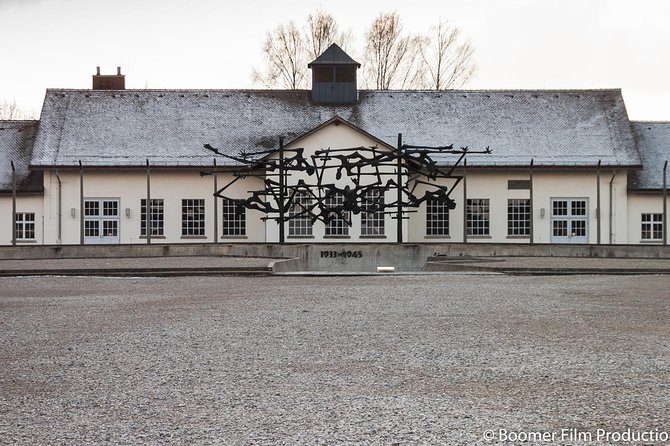
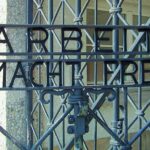
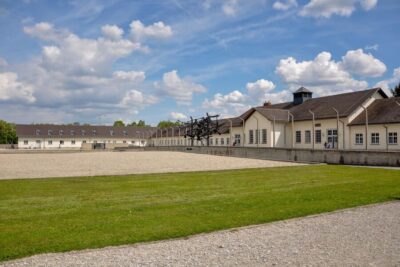
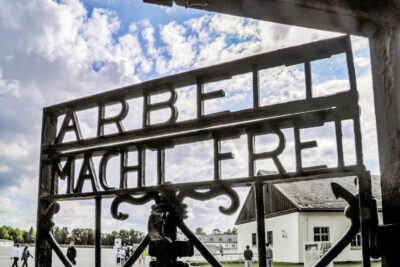
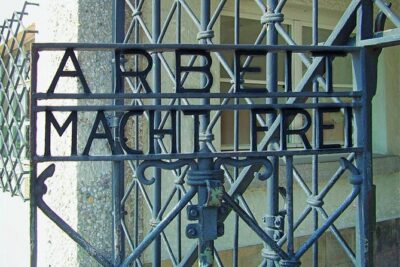
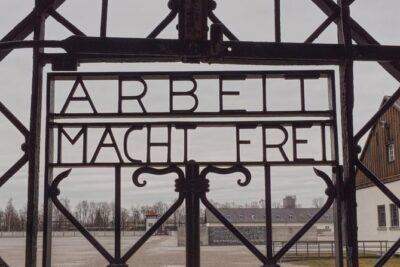
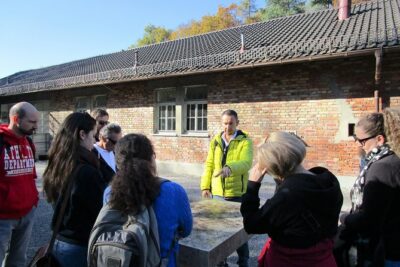
You will see the Jourhaus, described as the entrance building and gateway into the camp. You will also visit the Appellplatz, the roll call square. The point of these stops is not just architectural. The guide explains why places like this existed, how registration and categorization worked, and how prisoners were treated once they entered the machinery of the camp.
The tour also covers why Dachau opened and who were the first prisoners to arrive. That early context helps you see Dachau as part of a broader rise-and-fall story, rather than a snapshot taken out of time.
Museum space in a former maintenance building
You will visit the Memorial Site Museum located in the former maintenance building. Museums help you slow down, and your guide uses them to connect objects and records to the spaces you are touring outside.
If you prefer to read every label, you might feel a bit time-pressured, because the day is paced. But the upside is that you get a structured path instead of wandering and missing the most important themes.
A few more Munich tours worth a look
Barracks, prisoner life, and daily routine
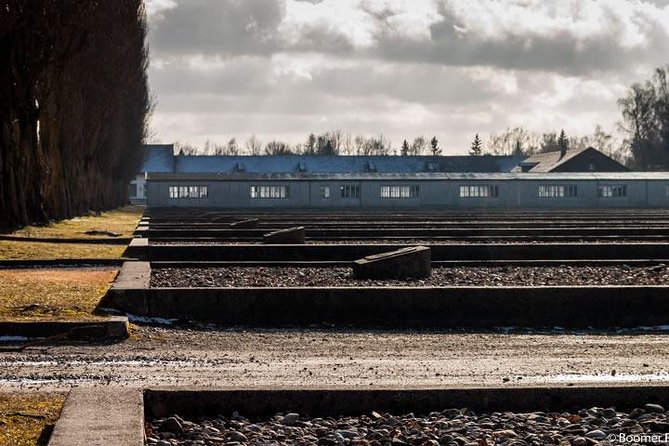
Expect time spent understanding barracks and how daily routine worked. The tour highlights harsh conditions prisoners faced, and it includes explanation of SS training facilities as part of the camp’s evolution.
This is one of the places where your guide can make or break the experience. In the reviews, multiple guides were praised for balancing facts with respect and for answering questions clearly, including names like Keith, Adam, Aileen, Tom, Marcin, Scott, and Sam. You are not likely to get an awkward, rushed lecture. Instead, you should get an organized walk-through where the guide signals what to look for and why.
Perimeter fence, guard towers, and the system of control
You will see the camp perimeter fence and guard towers. This section is powerful because it makes the camp’s design feel less abstract. You can literally see how control was built into the layout, not only into ideology.
International memorials and sculpture
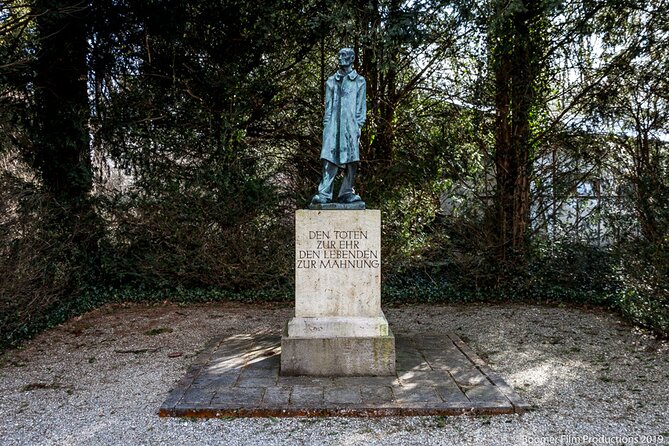
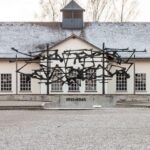
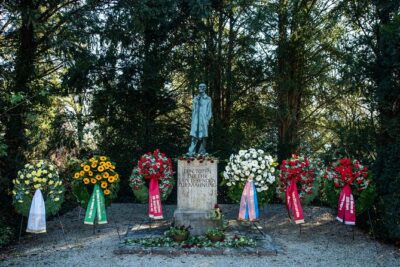
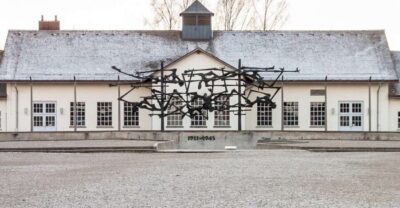
You will visit the International Memorial and the Nandor Glid Sculpture, along with religious memorials. These stops can feel different from the buildings, because they are about remembrance and identity, not operations.
It is a reminder that victims were diverse, and that many communities carry the memory of what happened here.
Barrack X and the darker institutional details
Barrack X is another key stop. The guide explains treatment and categorization of prisoners and shows how the camp developed its system.
This is also where the tour may feel most intense. If you tend to get overwhelmed with too many facts at once, take slow breaths during explanations and focus on letting one key idea land before you move on.
Cremation and mass graves, plus the gas chamber
You will visit the two crematoriums, mass graves, and the gas chamber. This is not a comfortable section, and the tour does not pretend it should be. What you can hope for is a respectful, factual walkthrough that keeps the focus on victims and what the camp was built to do.
If you are visiting with anyone who has sensitivities around this topic, it is smart to mention it to your guide early in the day so they know to keep an eye on the group’s pace and reactions.
Timing at the camp: enough time, but not unlimited
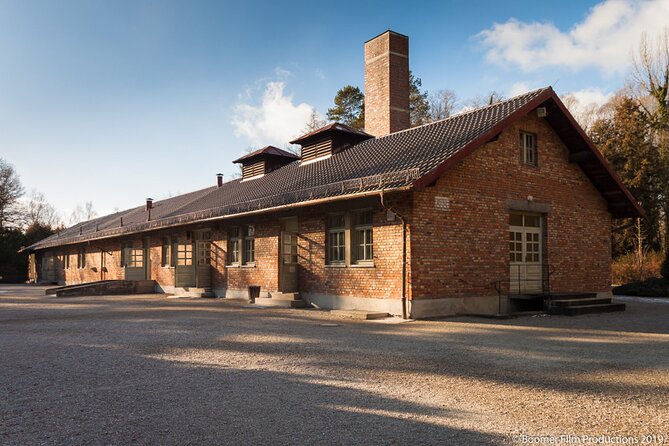
The schedule gives you about 4 hours on site. That is a lot for a guided visit, but Dachau rewards focus. You will likely feel like you could spend longer in the museum or stand longer at certain memorial points.
One review-based concern you should consider: a few visitors said they wished they had more unstructured time to read and explore on their own. That does not mean the tour is poorly run. It just means if you are the type who wants to slow down at every exhibit panel, plan to keep expectations flexible and accept that guidance sets the pace for the whole group.
Practical tip: bring a pen if you like taking notes on themes you want to research later. You can also jot down a few questions for your guide. The best part of a guided visit is the chance to ask, even if you do not think of the question until you are standing in front of the place where it happened.
Price and value of a guided day from Munich
At about $48.98 per person, you are paying for the guide plus the round-trip train and bus transfers, with admission for the included sites listed as free. For Munich-based travel, that is often where the value hides: transport and guide time.
You are not just buying access. You are buying:
- someone who can explain what each place means
- organization so you do not waste time figuring out routes
- a structured route that keeps you from missing key elements
With a max group size of 30 and a professional guide, it also has the feel of a manageable group day rather than a rushed bus tour.
If you are comparing options, the biggest question is not price. It is whether you will understand what you are looking at once you arrive. At Dachau, that understanding is the difference between seeing buildings and truly grasping the system.
Comfort tips for a day that is physically and emotionally demanding
This tour requires moderate physical fitness. That mostly translates to walking on paths around the grounds and standing for explanations. It is not described as wheelchair-specific, and there is no promise of easy shortcuts, so treat it like a normal full-day walk with pauses.
Bring:
- comfortable walking shoes (you will be on your feet)
- layers, since the tour runs in all weather
- a snack and water, because food and drinks are limited at Dachau
One more practical note: the tour provider states they are unable to hold luggage during the tour. So travel light if you can, or plan to leave your larger bag somewhere you can access before and after.
Finally, this is emotionally heavy. Even with a well-run guide, you should expect it to affect you. If you want to keep the rest of your day smooth, schedule lighter activities afterward rather than piling on museums or long evening plans.
Who should book, and who might want to reconsider
This tour is a strong fit if:
- you want guidance and context, not a solo walk
- you prefer a structured path with key stops, including memorials and major camp features
- you are traveling from Munich and want a straightforward day plan
It may not be the best fit if:
- you want maximum freedom to roam slowly at your own pace without a group schedule
- your group includes someone under the age limit (children 14 or younger are not permitted)
It is also not suitable for kids under 14 due to a rule set by the Dachau Memorial Site, so teens and adults will be the core audience.
If you are sensitive to heavy historical material, do not force yourself through it on an off day. But if you are ready for a difficult, important experience, a guided visit is often the most respectful way to do it.
Should you book this Dachau tour from Munich?
Yes, if you want the day to feel organized, guided, and focused on understanding. The value is clear: you get round-trip transport from Munich, a professional guide who keeps the group together, and a structured walkthrough of the most significant places on the grounds.
I would especially book it if you are the type who usually feels lost at large historical sites. Here, the guide helps connect spaces to the story, and the tour format keeps you from missing the big ideas.
If you strongly prefer unstructured time, or you want to spend lots of extra time reading every label without group timing, consider adding independent time to your schedule before or after this guided day. Then you can get both: the clarity of a guide and the calm of your own pace.
FAQ
What is the duration of the Dachau memorial site tour from Munich?
The tour runs for about 6 hours, including round-trip travel.
Where do you meet in Munich?
You meet at InMunich Tours, Marienplatz 11 (in front of Ludwig Beck).
How do you get from Munich to the memorial site?
You take shared trains from central Munich, then transfer to a bus for the route to the memorial site. The tour includes round-trip travel.
Is admission included?
Yes. The admission ticket for the included stops is listed as free.
Is food provided?
No. Food and drinks are not included, and there are limited options in Dachau. Bring a snack and a drink.
Are children allowed on this tour?
Children 14 years or younger are not permitted. Proof of age is recommended and may be requested.
What if the weather is poor?
The tour operates in all weather conditions, but if it is canceled due to poor weather, you will be offered a different date or a full refund.
What is the cancellation policy?
You can cancel up to 24 hours in advance for a full refund. If you cancel less than 24 hours before the start time, the amount paid is not refunded.
More Tours in Munich



More Tour Reviews in Munich
Other Guided Visits to Dachau


Newest Munich and Bavaria reviews
- Scenic Adventure Private Day Tour to The Konigssee Salzburg★ 4.5 · 3 reviews
- Jewish Museum & Jewish Quarter Guided Tour with Tickets★ 4.0 · 3 reviews
- Private Linderhof Castle, Entry-Ticket – optional Toboggan Run★ 5.0 · 3 reviews
- Private Transfer from Munich to Salzburg, English-speaking driver★ 3.5 · 3 reviews
- Private tour from Munich to Rothenburg and Harburg★ 5.0 · 3 reviews
- Arrival Transfer Munich Train Station to Munich by Luxury Van★ 5.0 · 3 reviews
Dachau Memorial Tours from Munich, compared.
 ★ 4.5Dachau Concentration Camp Memorial Site Tour from Munich by TrainFrom $645,637 reviews
 ★ 4.8From Munich: Dachau Memorial Site Day TourFrom $492,723 reviews
 ★ 4.7From Munich: Dachau Memorial Site Half-Day TripFrom $622,526 reviews
 ★ 4.9From Munich: Dachau Memorial Site Full-Day TourFrom $511,406 reviews
 ★ 4.5Dachau Concentration Camp Memorial Tour with Train from MunichFrom $56955 reviews
 ★ 5.0Early-Start Dachau Memorial Half-Day Tour from MunichFrom $62942 reviews
 ★ 5.0Guided Dachau Concentration Camp Memorial Site Tour with Train from MunichFrom $90920 reviews
 ★ 5.0Dachau Small-Group Half-Day Tour from Munich By TrainFrom $60811 reviews
Listed under