
REVIEW · FüSSEN AND HOHENSCHWANGAU TOURS FROM MUNICH
Füssen: Private Guided Walking Tour
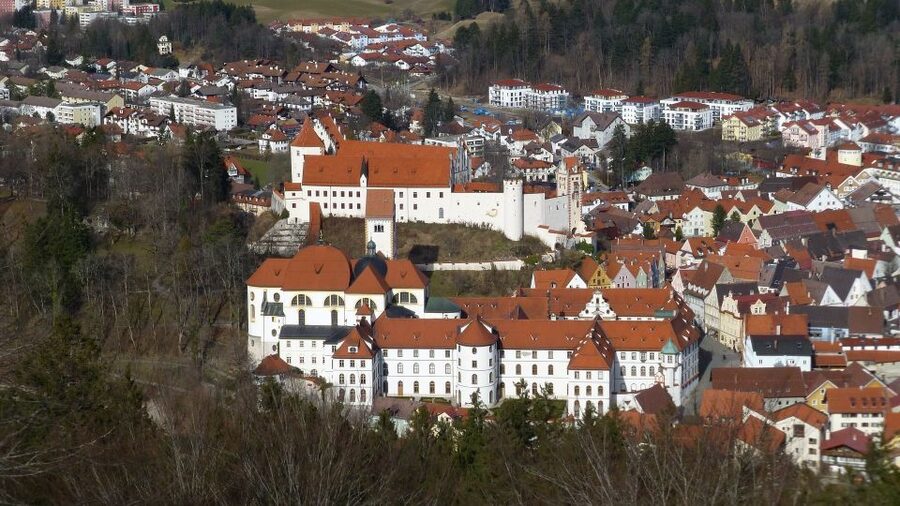
Füssen is small, but it tells big stories. This 90-minute private walking tour threads Roman roots, a turquoise river running through town, and castle views into one easy route with a live guide. I especially love High Castle and how the prince-bishops shaped the town’s identity.
You’ll also get a clear sense of why Füssen is perfect for foot travel, from cobbled lanes to baroque churches and the monastery that anchors the medieval era. St. Mang’s Benedictine monastery gives you a 9th-century starting point, and the tour ties it to the town’s patron saint, Magnus of Füssen, so the places feel connected instead of random.
The main drawback is practical: this walking route is not suitable for people with mobility impairments or wheelchair users, and you should expect uneven streets. If your feet or balance are an issue, plan carefully and bring comfortable shoes.
Key highlights that make this tour worth your time
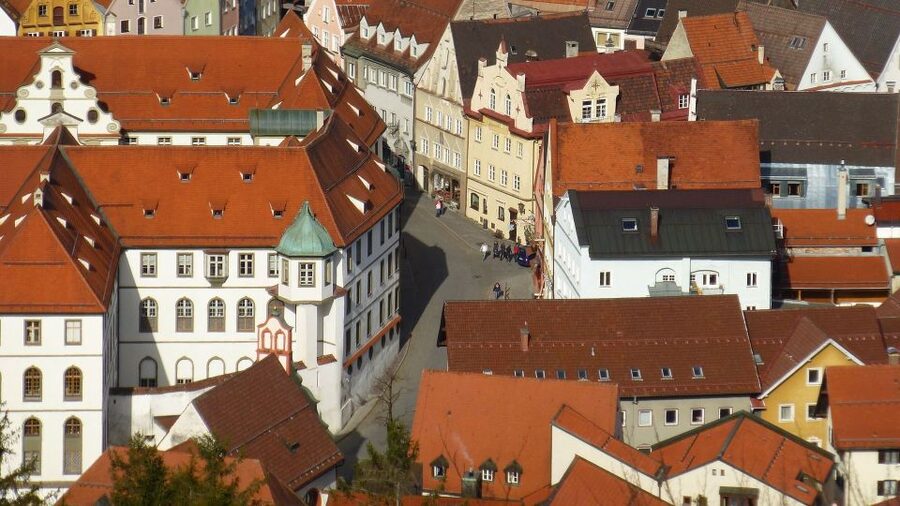
- High Castle context: You’ll understand why prince-bishops made this area their summer retreat.
- Treaty of Füssen explained: The political story behind the town’s medieval reputation.
- St. Mang’s 9th-century monastery: A direct link to the early roots of Füssen.
- Magnus of Füssen, the patron saint: Why his name shows up in the town’s identity.
- Roman roots plus the Romantic Road: How ancient beginnings connect to Bavaria’s classic travel route.
Why Füssen feels made for a guided walk
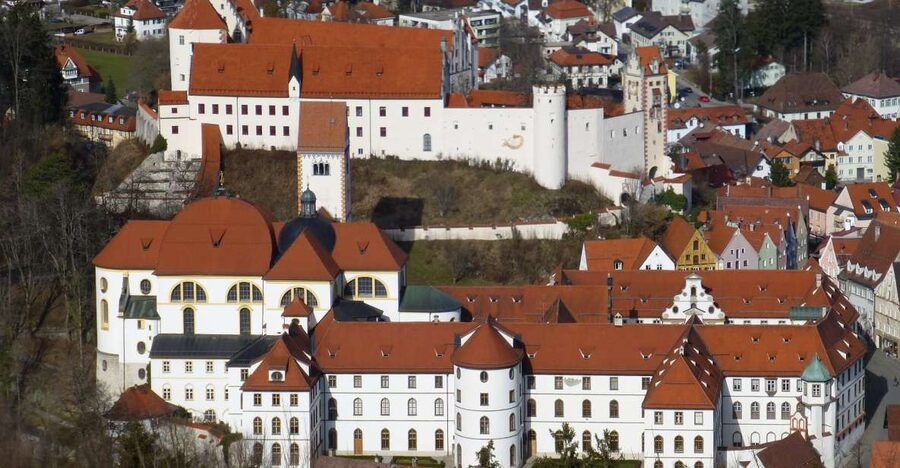
Füssen works because it’s compact, walkable, and built for lingering. You get the look and feel of a walled town, with cobble-stoned alleys and an old-world rhythm that makes it easy to absorb history without needing fancy tech or complicated logistics.
And yes, there’s a clever little idea the guide leans into: Füssen sounds like Feet in English, and it’s a reminder to slow down and see the town on foot. That matters, because the charm is not just in one monument. It’s in the way streets curve, how the river frames the center, and how medieval walls keep the town feeling like a place with boundaries and stories.
I also like that Füssen still offers modern conveniences. You can be surrounded by old stones and still find the services you need, so a walking tour does not feel like you’re sacrificing comfort for atmosphere.
Starting from the valley instead
- From Hohenschwangau: Tour to Neuschwanstein Castle
★ 4.7 · 693 reviews - Füssen: Neuschwanstein Castle Entry Ticket and Audio Guide
★ 3.7 · 524 reviews - Neuschwanstein Castle Tour with Skip the Line from Hohenschwangau
★ 5.0 · 323 reviews - Skip The Line Neuschwanstein Castle Tour from Hohenschwangau
★ 5.0 · 273 reviews
Getting oriented at Schrannenplatz (and why it helps)
The tour meets at Schrannenplatz, Schrannengasse 10, right in the historic core. That’s a good start because you’re not wasting time commuting across town. Instead, you begin in the area where the “walk it all” idea actually works.
From the very beginning, a good guide helps you get your bearings fast. You’re not just learning facts. You’re learning where to look and what to connect. The turquoise river, the town-wall vibe, and the mix of architecture all become part of a single mental map.
If you’re pairing this with a day trip toward Neuschwanstein, orientation is the secret sauce. You’ll be able to recognize what you’re seeing later, because you’ll already understand how Füssen fits into the broader Bavarian story.
High Castle: prince-bishops, power, and a view worth earning
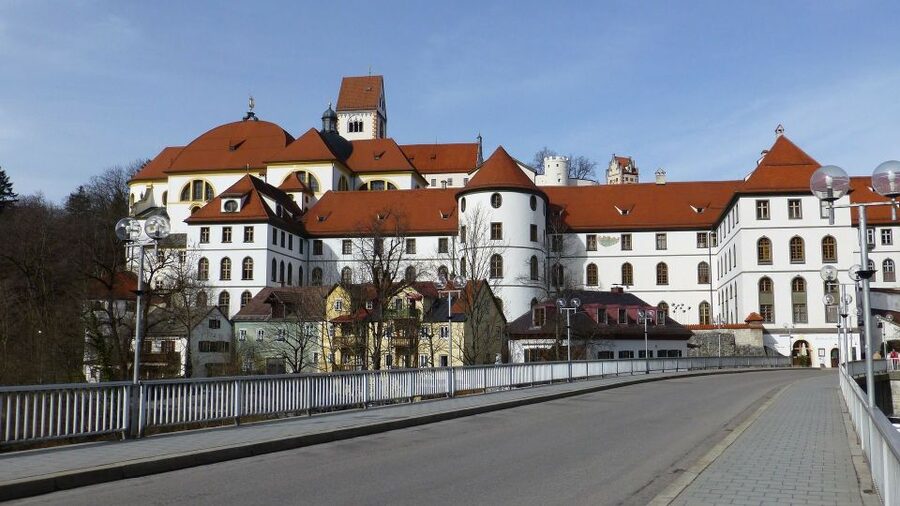
High Castle is the kind of stop that can go two ways on a walking tour. It can become a quick “pretty building, moving on” moment, or it can become the place where everything clicks.
Here, it’s the second one.
You’ll learn that High Castle was the former summer residence of the prince-bishops of Augsburg. That detail is not trivia. It explains the town’s medieval weight. Prince-bishops were not just religious leaders. They were political players with influence and money, and their seasonal presence shaped local life, architecture, and prestige.
Even if you mostly experience the castle from town-level viewpoints during a walking route, the context changes the way you interpret what you see. You’re not just looking at stone. You’re imagining how authority worked in this corner of Bavaria. That’s why this stop is a major highlight for first-time visitors.
Practical tip: wear shoes you can trust. Castle-adjacent streets tend to be uneven and slightly steep, even when the climb is not extreme. You want your attention on the story, not on your footing.
Treaty of Füssen and the politics behind the romance
Füssen has a reputation for romance, but the tour gives you the political engine under the looks. You’ll hear about the Treaty of Füssen, described as something that ended imperial ambitions.
That matters because it turns medieval scenes into cause-and-effect. When you learn that a treaty shaped outcomes for bigger powers, it becomes easier to understand why the town’s institutions, religious sites, and fortifications mattered in the first place.
It also makes the walking experience feel smarter. Instead of collecting disconnected dates, you start spotting how history is layered:
- Power shifts lead to new priorities.
- Religious centers gain importance.
- Town layouts reflect what people needed to protect or promote.
And once you get that pattern, the “romantic” part makes more sense. Romance is not just scenic. It’s built on centuries of real human decisions.
St. Mang’s Benedictine monastery and the 9th-century anchor
If you want one stop that turns Füssen from a pretty town into a place with deep roots, St. Mang’s Benedictine monastery is it. The tour highlights its 9th-century history, and that early start is key.
A lot of towns in southern Germany have medieval charm, but this gives you an origin point that goes further back than the typical visitor expects. With that in mind, you’ll likely notice how the monastery theme shows up in the town atmosphere. It’s the kind of site that acts like an anchor, helping you understand why Füssen became more than just a stop between bigger destinations.
You’ll also connect that monastery thread to Magnus of Füssen, the town’s patron saint. Knowing the saint’s role adds meaning to the religious atmosphere you see around baroque churches and historic corners. The guide helps you understand that these weren’t built randomly for decoration. They were built to represent identity, protection, and belief.
Practical tip: if you’re the type who likes to take photos, pause after the guide’s explanation. The temptation is to shoot right away. But the best photos usually come after the story gives your brain something to focus on besides stone.
Cobblestones, town walls, and baroque churches you can actually read
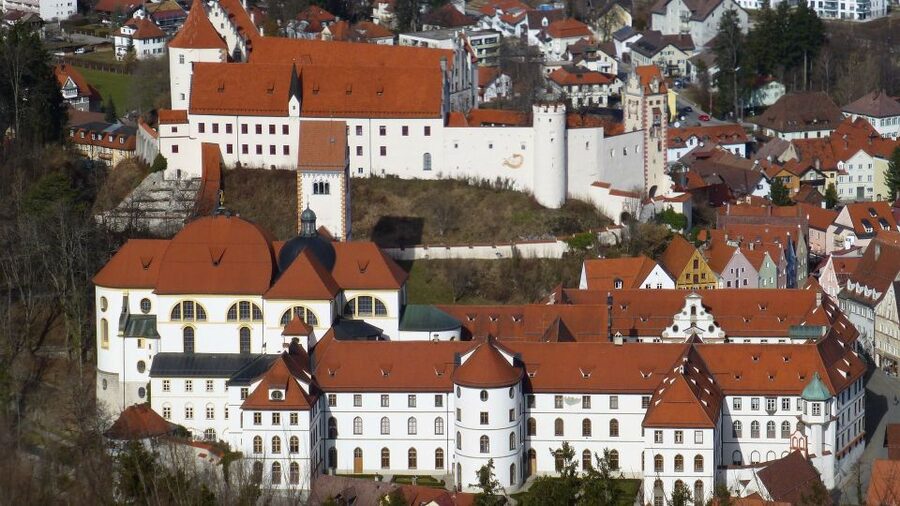
One reason a guided walking tour works in Füssen is that you get help “reading” what’s around you.
The route is designed to show:
- medieval alleys and cobble-stoned lanes,
- a sense of the town wall feel,
- and the presence of baroque churches and museums.
This isn’t about ticking off a list. It’s about learning how architectural styles often cluster for a reason. You’ll see older forms, then later updates that reflect changing tastes and priorities. That blend is part of why Füssen feels alive even as it stays historical.
Also, the tour connects the dots to the Romantic Road. If you’re traveling Bavaria in a classic route style, you’ll understand why Füssen became a memorable stop on that travel path. The town’s identity fits the road’s promise: history you can walk through, not just history you pass by.
More of the Altstadt on foot
How this tour sets you up for Neuschwanstein day
Füssen is the closest town to the famous Neuschwanstein castle, and the atmosphere is different here than in a purely castle-focused area. Doing this guided walk first gives you a useful layer of context.
After this 90-minute session, you’ll likely feel more prepared to enjoy Neuschwanstein instead of treating it like a standalone postcard. You’ll understand the region’s power story, why church sites mattered, and how treaties and patronage shaped the cultural landscape.
This also helps with your timing. You’ll know what you’ve already explored in Füssen, which makes it easier to plan lunch, a visit, or an easy follow-on walk later.
In one real-life example from the tour experience, a guide recommended where to eat after the tour, and that made the day flow better. That’s the kind of practical payoff you want when you’re trying to fit a castle trip into a tight schedule.
Private guided value: what you get for the money
Price is $310 per group, up to 15 people, for 90 minutes. That sounds like a lot until you think about the setup: this is a private group guided walk with a local guide who stays with your group only.
For many visitors, the value comes from three things.
First, you get control over pace. In a private format, the guide can slow down for questions or speed up if you’re eager to move.
Second, customization is possible on the spot. That means if your focus is more architecture and less saints, or more political history and less monastery, you can shape the conversation.
Third, you benefit from the guide’s real skill at explanation. One named guide, Sandra, stood in when the scheduled guide could not make it, and she still kept the tour running well. That kind of competence is not small. It protects your experience even when plans change.
One more detail worth mentioning: practical kindness matters on walking tours. On a rainy day situation, the guide brought umbrellas. It’s not a miracle, but it is a sign of good tour thinking, and it helps you stay out longer without rushing.
Balanced note: there was at least one experience where the information felt lacking when the weather was rainy. If you care deeply about accuracy and detail, I’d recommend you set expectations early. Ask the guide what level of detail you’ll get, and speak up if you want more time at specific stops.
Entrance fees and what you should plan for during the 90 minutes
Entrance fees are not included. That’s normal for walking tours, but it matters for budgeting, especially if you decide you want to enter any site along the way.
The tour lasts 90 minutes, which is long enough to get real context but short enough that you should treat it as an overview walk. You’re building understanding, not doing a full museum marathon.
Because the route includes walking through historic streets, plan for uneven ground. Comfortable shoes are not optional advice here, they’re the difference between enjoying the viewpoints and counting steps.
Who should book this tour (and who might not)
Book it if you want:
- a focused Füssen history and architecture walk,
- context before Neuschwanstein,
- a private guide where you can ask questions and adjust priorities,
- and an easy way to connect Roman roots, the High Castle story, St. Mang’s monastery, and the Treaty of Füssen into one coherent hour-and-a-half.
You might skip or reconsider if you:
- rely on wheelchair access or have significant mobility limitations,
- prefer a purely self-guided approach with no interpretation,
- or hate any walking route on cobbles and uneven streets.
Should you book this Füssen private guided walking tour?
I think this tour is a strong booking for most first-timers in Füssen who care about why places look the way they do. The value is in how the guide connects the big elements, High Castle, St. Mang’s monastery, Magnus of Füssen, and the Treaty of Füssen, so you leave with a clear understanding of what makes the town tick.
If you’re planning Neuschwanstein soon after, this is especially smart. You’ll enjoy the castle more because you’ll understand the region that produced it.
My main caution is simple: the route is not for wheelchair users or people with mobility impairments, and the experience depends on comfortable walking. If that works for you, reserve and enjoy the walk. If it doesn’t, you’ll probably do better with a different format designed for your pace and mobility needs.
FAQ
How long is the Füssen private guided walking tour?
The tour duration is 90 minutes.
How much does the tour cost?
It costs $310 per group, for up to 15 people.
Where does the tour meet?
The meeting point is Schrannenplatz, Schrannengasse 10, 87629 Füssen, Germany.
Is this tour private, or is it a shared group?
It is a private group tour, with a local guide who will be with your group only.
What languages are offered?
The live guide offers English and German.
Is an entrance fee included?
Entrance fees are not included.
Is the tour accessible for wheelchair users or people with mobility impairments?
No. It is not suitable for people with mobility impairments or wheelchair users.
What are my cancellation and payment options?
You can cancel up to 24 hours in advance for a full refund. You can also reserve now and pay later to keep your plans flexible.
More Tours in Fussen





More Tour Reviews in Fussen


Starting in Füssen Instead

Newest Munich and Bavaria reviews
- Private tour of the best of Fussen – Sightseeing, Food & Culture with a local★ 5.0 · 3 reviews
- Munich Card (Group) with public transport: Save at attractions & tours!★ 5.0 · 5 reviews
- Munich Card with public transport: Save at attractions & tours!★ 4.5 · 10 reviews
- Neuschwanstein, Wieskirche, Oberammergau, Linderhof from Fuessen★ 5.0 · 17 reviews
- From Fussen: Neuschwanstein, Linderhof and More Private Tour★ 5.0 · 21 reviews
- Neuschwanstein ticket+ City Bike from Fuessen★ 4.5 · 21 reviews
Füssen and Hohenschwangau Tours from Munich, compared.
 ★ 4.7From Hohenschwangau: Tour to Neuschwanstein CastleFrom $74693 reviews
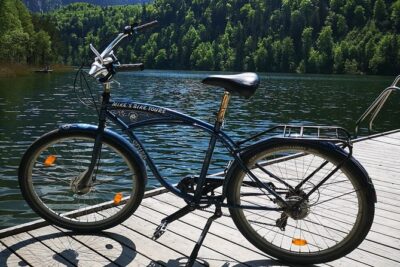 ★ 5.0Neuschwanstein Castle by Bus Incl. Bike Ride or HohenschwangauFrom $78607 reviews
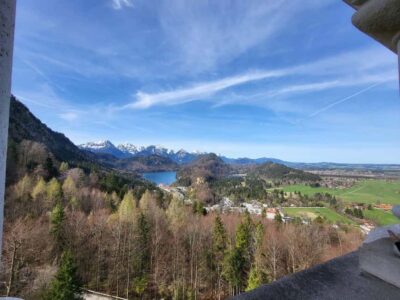 ★ 3.7Füssen: Neuschwanstein Castle Entry Ticket and Audio GuideFrom $51524 reviews
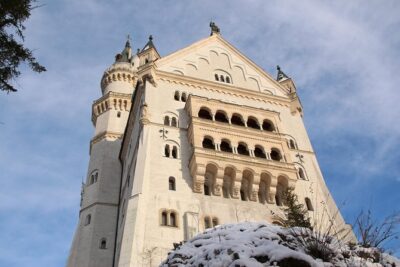 ★ 5.0Neuschwanstein Castle Tour with Skip the Line from HohenschwangauFrom $75323 reviews
 ★ 5.0Skip The Line Neuschwanstein Castle Tour from HohenschwangauFrom $74273 reviews
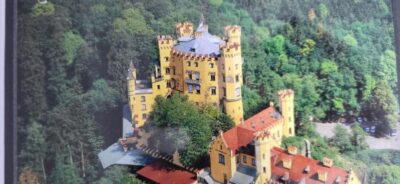 ★ 4.3Füssen: Bike Hire and Neuschwanstein Castle Skip-the-LineFrom $67133 reviews
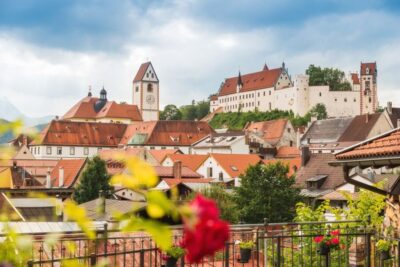 ★ 4.8Füssen: Old Town Guided Walking Tour in GermanFrom $9127 reviews
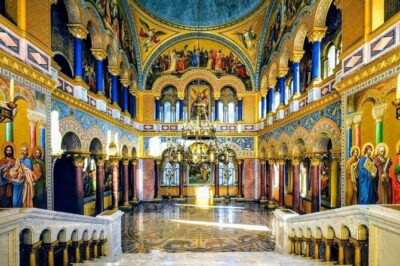 ★ 5.0Neuschwanstein and Hohenschwangau Exclusive Skip-the-Crowds TourFrom $75988 reviews