
REVIEW · MUNICH BEER HALL AND BREWERY TOURS
Private Munich History and Beer Culture Walking Tour
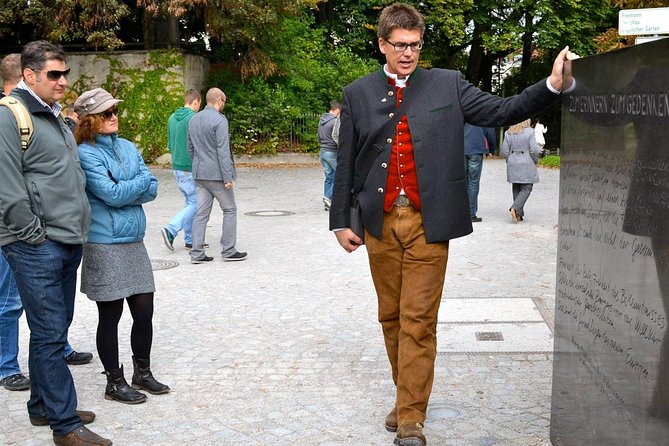
Munich tastes better with a beer-minded guide. This private walk pairs Munich highlights with beer culture in a way that makes the city feel connected, not like a checklist. I also like that the route explains why people cared about beer and tradition in the first place. One consideration: you cover a lot of ground on foot, mainly in pedestrian areas, so comfortable shoes are a must.
You get a professional English-speaking local guide, plus hotel pickup if you are staying in the old town or near Hauptbahnhof. The day runs about 7 to 9 hours, with a few key stops where you can slow down and actually look, not just pose for photos. If you want the focus to tilt more history or more beer, this private format can be customized to match your interests.
Key things to know before you go
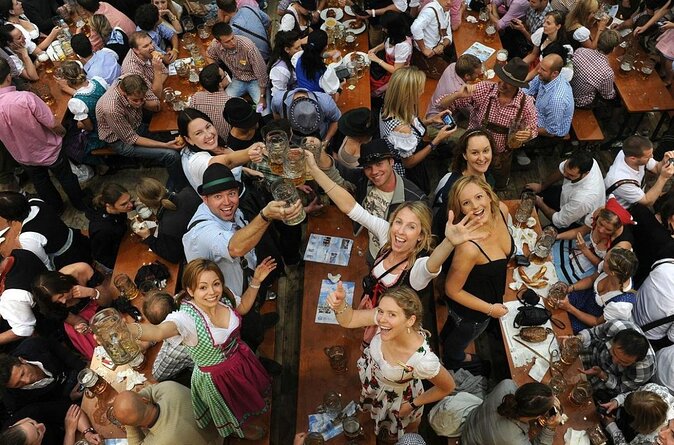
- Private group up to 6 means the guide can pace the day for your questions and interests
- Pickup and a day pass (if needed) help you start smoothly without wrestling transport
- Beer history meets landmark Munich with stops at Frauenkirche, the Rathaus-Glockenspiel, and major squares
- Museum time is optional cost-wise since the Bier- und Oktoberfest Museum admission is not included
- Your day ends flexibly at Marienplatz, one of the easiest places to continue exploring
Why Munich’s beer culture tour feels smarter than a sightseeing-only day
Munich can be split into two moods. One is postcard sights, towers, squares, and the rhythm of old streets. The other is beer culture, brewing heritage, and the social glue that made beer halls and festivals so important.
This tour knits those two together. You are not just watching bells go off, then walking away to find something to eat. Instead, the guide ties what you see to the brewing story that shaped Bavarian life. That is the real value: it turns scattered landmarks into a narrative.
And since it is private, the day can feel more like a conversation than a scripted route. If you care more about what makes Bavarian beer different, you can press the guide. If you want more on the city’s political and cultural landmarks, you can steer the balance.
Other halls, other benches
- Bavarian Beer and Food Evening Tour in Munich
★ 4.5 · 1,575 reviews - Classic Mike’s Bike Tour daily @ 11.30 incl Beer Garden & Surfers
★ 5.0 · 1,246 reviews - Munich’s Beer Halls and Breweries: 3-Hour Guided Tour
★ 4.6 · 928 reviews - Munich: Bike Tour with Beer Garden Break
★ 4.9 · 391 reviews
Price and group size: what $485 per group really buys you
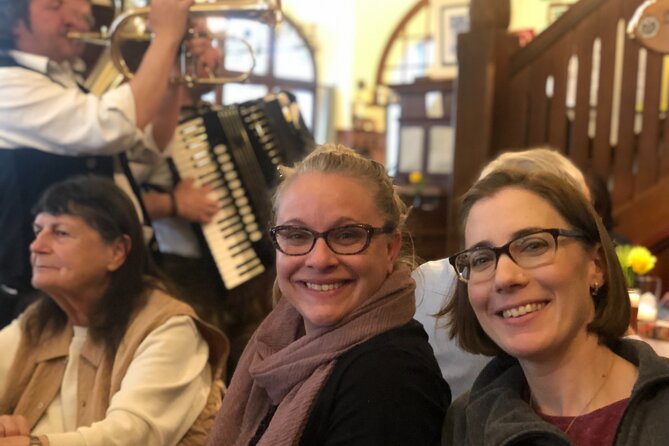
At $485.23 per group (up to 6 people), the cost is best thought of as a “day together” price, not a ticket price you compare to a public bus tour.
Here is what you are paying for:
- A professional local guide focused on your group’s pace
- Hotel pickup and drop-off, which is a big deal in a city where transferring can eat time
- A transport day pass if necessary, so you are not stuck figuring it out mid-day
- A private route that is built around both history and beer culture
If you are traveling as a couple, the per-person cost can feel reasonable because you are splitting a private guide and logistics. If you are solo, it is pricier, but you still get the benefit of customization and attention.
The only “cost surprise” to plan for is that the beer museum stop has an extra admission charge, and food and drinks are pay-as-you-go.
Getting started: meeting near Marienplatz and using pickup the right way
The day begins at Mariensäule, Marienplatz 22 (80331 München) at 9:30 am. The ending point is flexible, with the day finishing at Marienplatz.
If you booked pickup, it is for hotels in the old town or the Hauptbahnhof area. That matters because it cuts the friction of finding the start point and getting everyone into the same place on time. It also reduces the chance you waste time on the first hour.
You also get a mobile ticket, which makes check-in easier. If you are the type who hates digging through printed paperwork, you will appreciate that.
One practical note: the tour is designed for the pedestrian zone. That means you do not just “walk to sights.” You walk through the spaces between them, which is where the city personality shows up.
The day’s structure: a thoughtful flow from church to bells to market
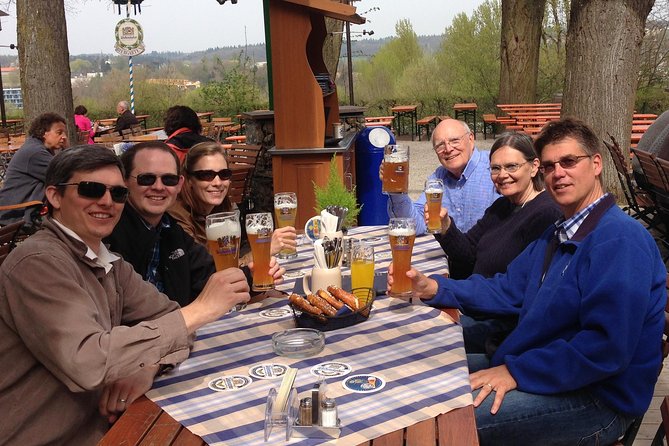
This route is built like a good meal. You start with big, iconic visual anchors, then you move into the food and beer spaces where you can ask better questions.
You should expect a mix of short stop time and more time in places built for lingering. For example, many landmarks are around 15 to 20 minutes, but the market gives you about an hour, and the beer museum stop is about 45 minutes.
That balance helps. If everything were long, you would fatigue. If everything were short, you would miss the why.
Stop 1: Frauenkirche, Munich’s skyline symbol with free admission
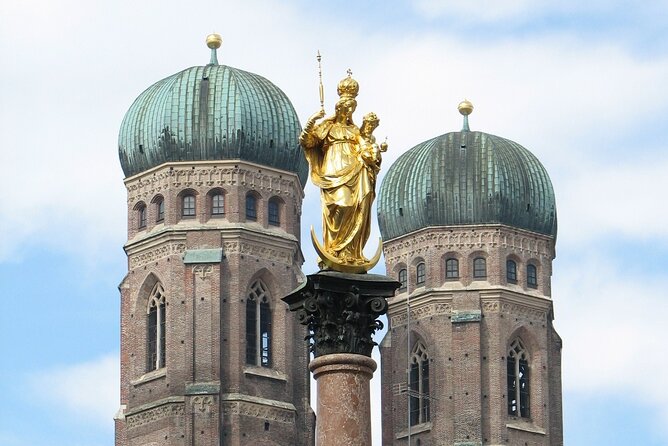
Your first major landmark is Frauenkirche. This is one of those churches you do not have to study to recognize. The towers and domes are practically the city’s visual signature.
You have about 15 minutes, and admission is listed as free. That makes it a great early stop because:
- It is quick enough not to break the day
- It gives you a strong “Munich baseline” for later comparisons as you move through squares and beer culture sites
- It is the kind of building where the guide’s context can sharpen what you notice
Practical tip: arrive ready to look up. This is not the stop where you stroll slowly at street level only.
Stop 2: Rathaus-Glockenspiel, catching the bells without guessing
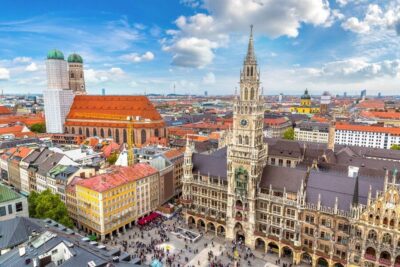
Next comes Rathaus-Glockenspiel. This is Munich at its theatrical best, with the bells playing in a famous sequence.
You get about 20 minutes, and admission is free. The value here is timing plus explanation. If you were wandering on your own, you might arrive during a lull and feel annoyed that you missed the moment. In a guided setting, you tend to be there for the point of the stop.
This is also where the “Munich identity” idea really clicks. It is not just a clock. It is a signal of how civic life and tradition show up in everyday public spaces.
More of the Altstadt on foot
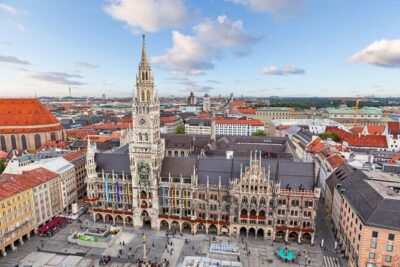
Stop 3: Viktualienmarkt, a market stop built for Bavarian food talk
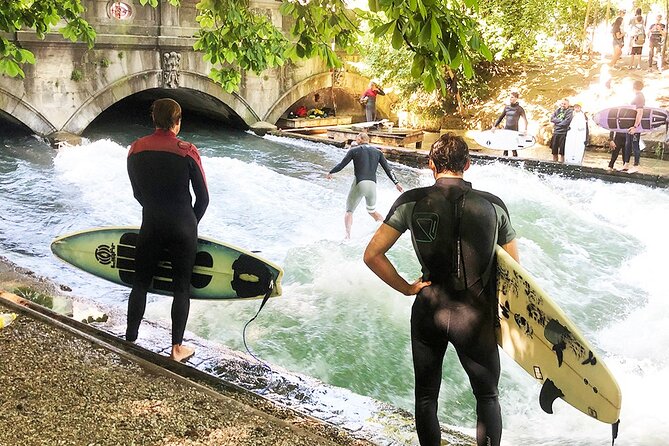
Then you move to Viktualienmarkt, Munich’s outdoor market. This is the perfect halfway palate cleanser between major landmarks and the beer-themed museum stop.
You have about 1 hour, and admission is free. What makes this stop especially useful is the way it sets up better food choices later.
Instead of randomly ordering something because it looks good, you get a chance to ask questions in a place that reflects real local eating. This is where the guide can connect Bavarian cuisine and market culture to what you will see and taste as the day moves toward beer.
Drawback to consider: markets are busy on normal tourist schedules. You will want to keep your group together so you do not lose time in small alleys and between stalls.
Stop 4: Bier- und Oktoberfest Museum, the beer tasting moment and the optional cost
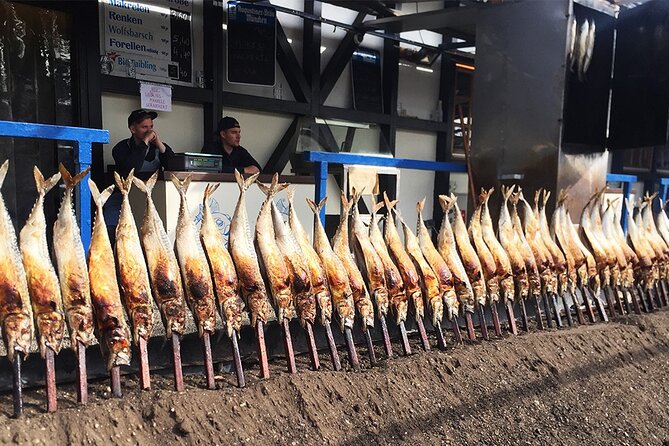
The beer-focused highlight is the Bier- und Oktoberfest Museum stop. It is built as a pub and museum combination, with beer tasting available at your expense (pay-as-you-go). Admission to the museum is not included, and the stop is about 45 minutes.
So what are you really buying with this part of the day?
- Context: the museum component explains beer’s place in Munich’s story and how Oktoberfest fits into the bigger brewing tradition
- Taste: you get the chance to try beers that make sense in the historical frame you just heard
- A break: it is a more seated, slower segment than the outside walking stops
If you are a beer person, this stop is the reason to book. If you are not, it can still be worthwhile because Oktoberfest culture is a major part of Munich’s identity, even if you prefer non-alcoholic options.
A practical planning point: check what is not included in terms of what you might want to drink. Since tastings are at your cost, set expectations early so nobody feels stuck halfway through the day.
Stop 5: Odeonsplatz, where Munich’s history gets heavier
Finally, you arrive at Odeonsplatz, a large square connected to the Hitler Beer Hall Putsch.
You have about 15 minutes, and admission is free. This stop is important because it shifts the tone. Beer and civic tradition are one side of Munich. Political history is the other.
A guide’s job here is balance: acknowledging what happened while also keeping you oriented in the city’s landscape. Even if you do not want heavy topics, you will still learn something useful just from understanding why the square matters and what the city remembers.
Consideration: if you prefer lighter content all day, this stop may feel intense after market and museum time. It is short, but it lands with meaning.
How the guide style makes the day feel local, not scripted
The strongest praise for this kind of private tour tends to come from the guide’s instincts. One name you may run into is Scott, and the approach sounds very practical: history that explains what you are looking at, plus food and drink suggestions that feel more local than tourist traps.
This is where private format matters again. When a guide can see what interests you, they can steer you toward the right kind of food stop, the right beer garden vibe, or the right pacing when your feet start to complain.
If you like asking questions, you will get more out of this day. If you prefer quiet sightseeing, you can still enjoy it, but you might want to communicate your style early.
Walking time and pacing: plan your day like a local
Walking is integral, and most stops sit in pedestrian-only zones. That is not a complaint. It is the reason the experience works.
Still, you should plan for:
- 7 to 9 hours total time, depending on how the guide adjusts the day
- multiple landmark clusters that require moving between stops
- a rhythm of short stops early and longer stops at the market and museum
Practical advice: wear shoes that can handle Munich cobblestones. Bring water, even though you will likely buy drinks during beer time anyway. And keep a light jacket in mind if the weather is cool, especially around late morning when you are shifting between open-air spaces and indoor museum areas.
Who this tour fits best
This is a strong match if you want:
- a first day in Munich that gives you orientation fast, with history and beer culture blended
- a private experience for up to 6 people where you can steer the focus
- an English-speaking guide who can explain context at the right moment, not in a classroom
It is also a decent choice if you are the type who enjoys local food questions and beer garden atmosphere. The day naturally leads you from churches and bells into a market mindset, then into brewing culture and tasting.
It may not be the best fit if:
- you have limited mobility or cannot comfortably walk for most of the day
- you are traveling with very young children (it is not recommended for kids aged 12 and under)
- you are hoping the tasting is fully included, since drinks are at your expense
What to budget beyond the tour price
To avoid surprises, plan on these add-ons:
- Bier- und Oktoberfest Museum admission: not included
- Beer and other food/drinks: pay-as-you-go
The good news is that the tour itself is structured so you can control how much you spend once you arrive at the tasting point. You are not forced into a fixed package.
So if you are budgeting tightly, you can still enjoy the storytelling and the cultural context. If you are celebrating a trip, you can lean into tastings and beer hall energy.
Should you book this Munich History and Beer Culture Walking Tour?
Book it if you want a day that does two things at once: you get classic Munich landmarks and you leave understanding how beer culture is tied to the city’s identity. The private guide format and hotel pickup are real value, especially if it is your first day and you want fewer logistics headaches.
Skip or reconsider if you do not like walking for most of the day, or if you want all costs included and predictable. Also think about pacing if heavy political history is not your thing, since Odeonsplatz brings that topic up in a short but meaningful stop.
If you like your sightseeing with a point of view, this is a solid way to see Munich while the beer story is fresh in your head.
More Tours in Munich
More Tour Reviews in Munich
Other Beer Halls, Other Benches

Newest Munich and Bavaria reviews
- Scenic Adventure Private Day Tour to The Konigssee Salzburg★ 4.5 · 3 reviews
- Jewish Museum & Jewish Quarter Guided Tour with Tickets★ 4.0 · 3 reviews
- Private Linderhof Castle, Entry-Ticket – optional Toboggan Run★ 5.0 · 3 reviews
- Private Transfer from Munich to Salzburg, English-speaking driver★ 3.5 · 3 reviews
- Private tour from Munich to Rothenburg and Harburg★ 5.0 · 3 reviews
- Arrival Transfer Munich Train Station to Munich by Luxury Van★ 5.0 · 3 reviews
Munich Beer Hall and Brewery Tours, compared.
 ★ 4.5Bavarian Beer and Food Evening Tour in MunichFrom $871,575 reviews
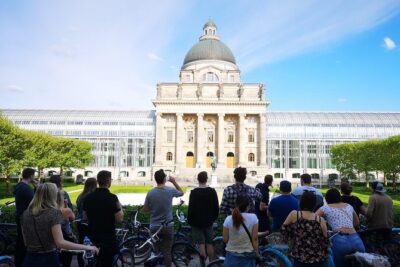 ★ 5.0Classic Mike’s Bike Tour daily @ 11.30 incl Beer Garden & SurfersFrom $421,246 reviews
 ★ 4.6Munich’s Beer Halls and Breweries: 3-Hour Guided TourFrom $50928 reviews
 ★ 4.9Bike Tour with Beer Garden BreakFrom $47391 reviews
 ★ 5.0Beer & Beyond: Munich Beer TourFrom $43291 reviews
 ★ 5.0Munich City Bike Tour + Beer Garden Lunch StopFrom $48283 reviews
 ★ 5.0Mini Classic Bike Tour @ 4pm incl. Beer Garden & Surfers 2,5 hrsFrom $45251 reviews
 ★ 4.7Guided Food Walking Tour with Beer TastingFrom $672183 reviews