
REVIEW · DACHAU MEMORIAL TOURS FROM MUNICH
Dachau Memorial Public Tour
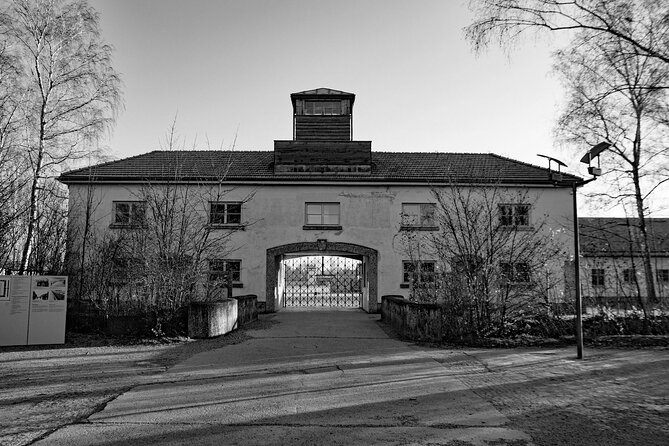
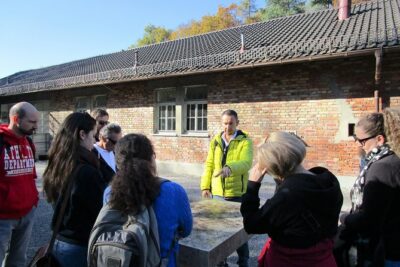
Walking into Dachau changes the tempo of a day. This public tour moves you through the camp’s key spaces with a local guide, so you are not just reading plaques, you are following the camp’s logic from entry to incarceration. I like the small group size (up to 15), and I really appreciate the guide-led walkthrough of the Main Gate, roll call area, museum, bunker, and reconstructed barracks.
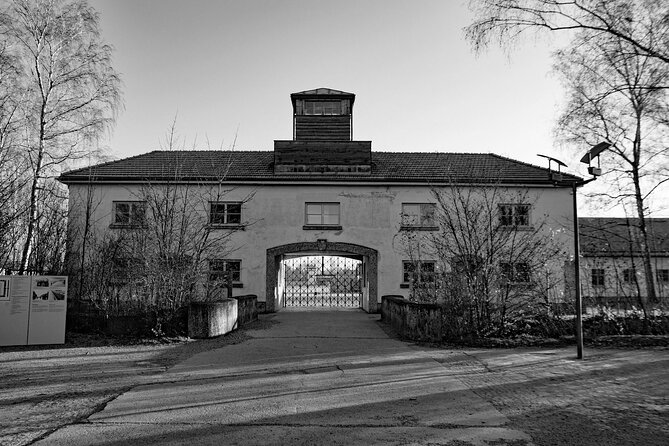
You also get a structured visit that makes the scale and the system easier to understand: Jourhaus, the former maintenance building museum with exhibits and documentaries, and the Bunker as a former prison space. One caution: this is a solemn site and a 5 hour stretch, so plan for a slower pace and bring what you need to stay comfortable.
Quick hits before you go
- Up to 15 people keeps questions possible and the pace more manageable at a tough site
- Stop-by-stop layout helps you connect the Main Gate, roll call area, and barracks to what you see
- Museum inside the former maintenance building uses exhibits and documentaries to fill in context
- Bunker and prison space gives a stark look at confinement
- Religious memorials reflect the forced diversity of the camp and the importance of remembrance
- Guides like Charlotte and Michael are praised for strong historical command and respectful tone
A memorial tour where the layout does the teaching
Dachau is not a place you rush. The value of taking a guided format is that the camp grounds themselves can be overwhelming on your own. On this tour, you get a path through the space that mirrors how the camp operated, which makes the details more meaningful instead of just sad and confusing.
I like that the focus stays practical and concrete. You step through the Main Gate and then you are guided to specific points like the Jourhaus and the roll call area. That turns the visit into something you can actually process, even if it is emotionally heavy.
Other guided visits to the memorial site
- Dachau Concentration Camp Memorial Site Tour from Munich by Train
★ 4.5 · 5,637 reviews - From Munich: Dachau Memorial Site Day Tour
★ 4.8 · 2,723 reviews - From Munich: Dachau Memorial Site Half-Day Trip
★ 4.7 · 2,526 reviews - From Munich: Dachau Memorial Site Full-Day Tour
★ 4.9 · 1,406 reviews
Entering Through the Main Gate and the administrative heart
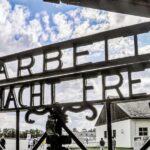
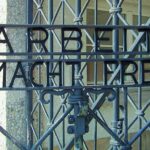
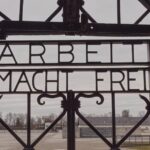
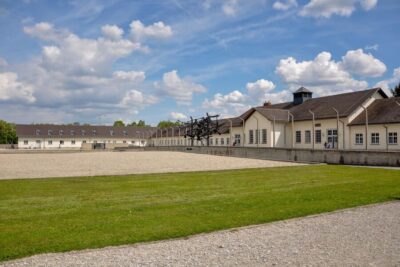
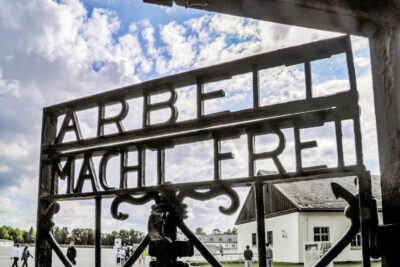
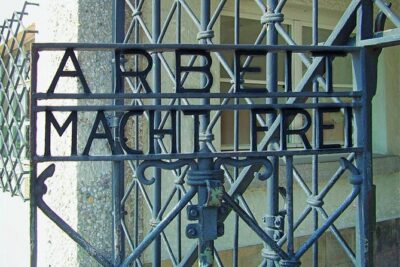
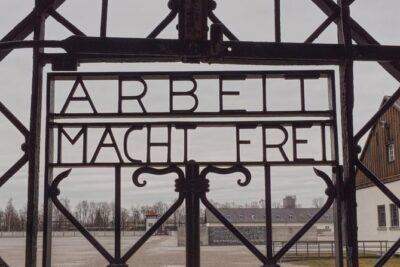
The tour begins at the meeting point near Marienplatz at Fischbrunnen, then you head to the memorial site. Once you step through the Main Gate, the first lesson is physical, not theoretical: you immediately see how entrances, walls, and surveillance shaped movement and fear.
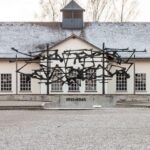
From there, the Jourhaus is a key moment. It was central to camp administration, so your guide’s explanation here helps you understand that this was not only a prison environment, it was also a managed system with officials and routines. You are not just looking at ruins, you are learning what people did in each space.
Practical tip: this area is often the first place people take photos. I would still encourage you to take only what you need, then spend your time absorbing the scale and the purpose of the buildings.
Roll call area and the International Monument
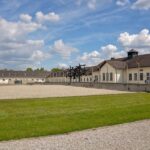
Next comes the roll call area, a space designed for organization and control. This is where the tour’s structure pays off, because the roll call area is one of those locations that can feel abstract unless someone connects it to what happened there.
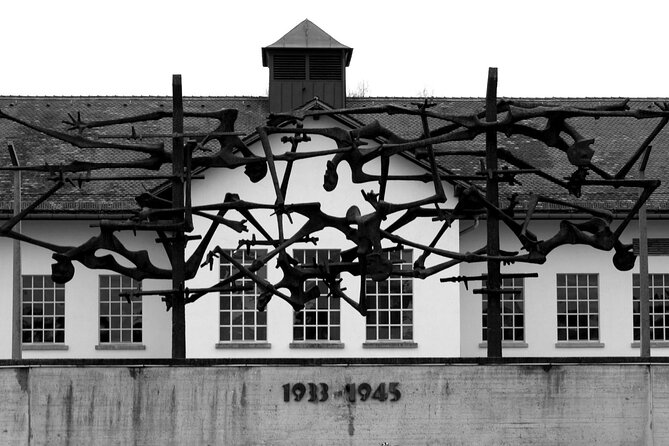
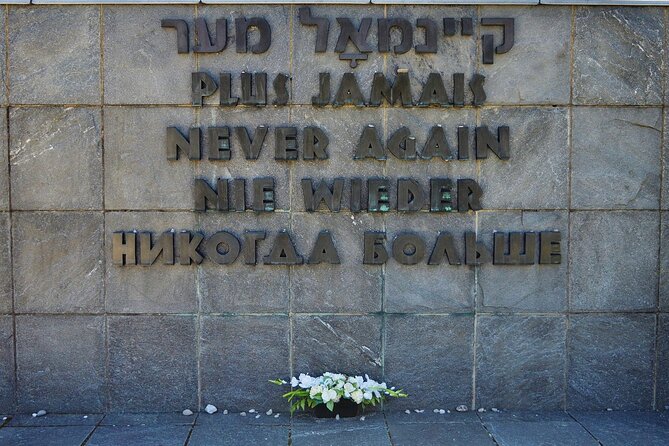
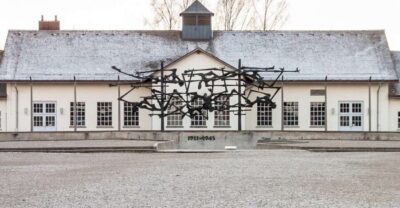
You will see the International Monument, which honors those who endured. This part matters because it shifts the experience from the mechanics of the camp to the human reality of what those routines were built to produce. Even if you know the broad history already, the placement of remembrance here changes how the story lands.
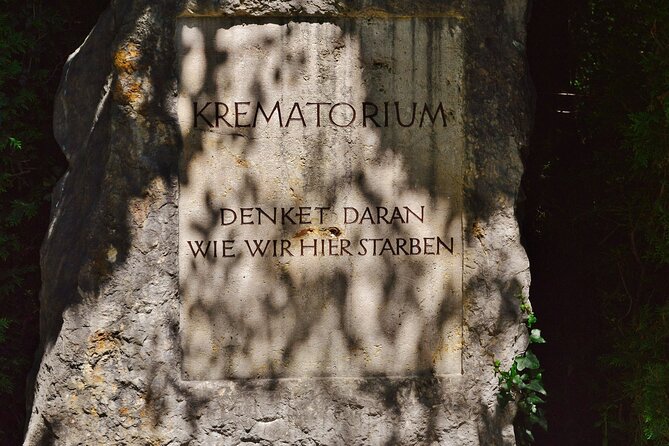
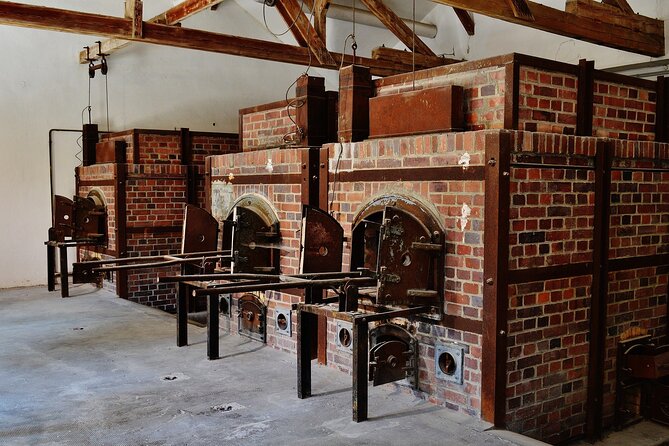
A respectful note from the guides: Michael, for example, is specifically praised for leading a moment of silence outside the crematorium to show respect and remember those who were lost. If your group’s timing lines up, take it seriously. This is one of the most grounding parts of the tour.
Jourhaus to the museum in the former maintenance building
The former maintenance building houses the museum section, and this is where the visit becomes clearer. Instead of only walking through outdoor spaces, you get exhibits and documentaries that connect dates, policies, and prisoner experiences to what you are seeing in the grounds.
For you, this is often the most efficient use of time. Dachau can be difficult to interpret because many areas are sobering but not always obvious in function. The museum helps translate what your eyes catch in the landscape.
What to expect here: a guided explanation that gives you the background you need, plus visual materials that fill in gaps. If you are the type who learns best from context before seeing the “thing,” this is a great midpoint.
The Bunker and what confinement looked like
The Bunker, a former prison, is one of the hardest stops. In a tour like this, it is also one of the most important. You are seeing a space that was meant for isolation and punishment, which helps you understand the camp’s cruelty was not random. It was built into the system.
If you want to make the most of this part, listen closely to how your guide describes the role of the Bunker compared with the barracks and the roll call area. Those comparisons help you avoid the common mistake of treating every spot as the same kind of suffering. Different spaces had different functions.
This section can feel long for some people, mostly because it is emotionally demanding. Pace yourself. If you feel overwhelmed, take a breath before moving to the next area. There is no prize for pushing through without processing.
Reconstructed barracks and prisoner daily life
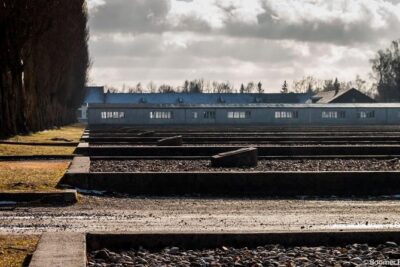
You will also see two reconstructed barracks. Reconstructed spaces can be tricky to interpret at Holocaust-related sites, so having a guide matters even more than usual. Your guide’s job is to help you understand what is reconstructed, what the barracks represent, and why they connect to prisoner daily life.
This is where the tour becomes more than a history overview. You start noticing the relationship between confinement and routine. The barracks are where the camp’s structure becomes lived experience, not just administration and punishment.
If you are the kind of traveler who likes detail, this stop rewards you. The reconstructed layout can help your brain organize what you have learned from earlier areas like the roll call space and the prison bunker.
Other Munich bookings for the same trip
Religious memorials and the meaning of unity amid adversity
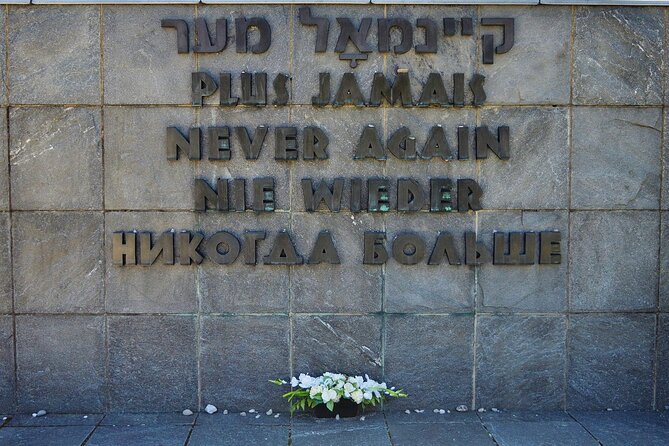
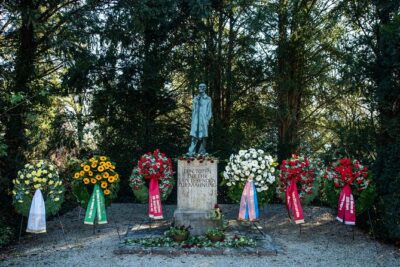
One of the standout elements in the grounds is the set of Diverse Religious Memorials. These are not decorative. They are a reminder that the camp held people from many backgrounds and that faith, identity, and remembrance mattered even when everything else was stripped away.
This stop can hit unexpectedly. You might feel it more than you expect because it is one of the few places where remembrance is visually explicit and collective. It also nudges your thinking toward the afterlife of memory, not only the daily operations of suffering.
It is a valuable counterpoint to the harsher parts of the tour, not because it softens anything, but because it gives a human angle you can carry with you afterward.
Security installations: guard towers and outer walls
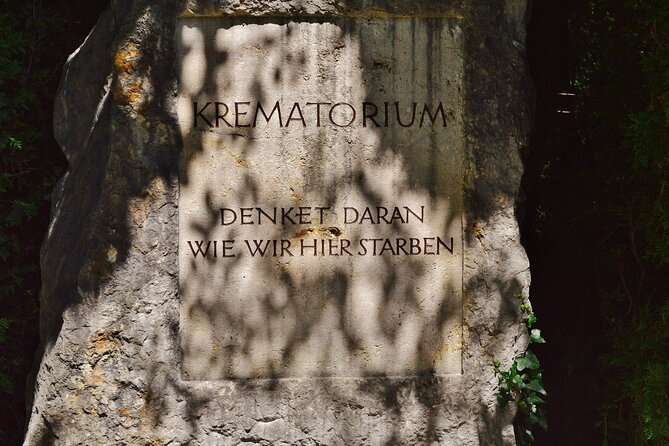
The tour also takes you past Security Installations, including guard towers and partially reconstructed outer walls. This is a practical and visual way to understand how control worked.
On your own, it is easy to think of the camp only as a collection of buildings. Here, the guide helps you see the perimeter and surveillance elements as part of the whole machine. That makes the camp feel less like a snapshot and more like a functioning environment.
This stop is also helpful for photography and orientation. You can often map your mental geography of the site better after you see the outer structure and the tower sightlines.
Time, group size, and why 5 hours can feel right
The tour runs about 5 hours. That is not short, but at Dachau it usually makes sense. You need time to walk between areas, pause at key points, and still process the museum content. A rushed version can turn into a blur of names and buildings without meaning.
The group max of 15 people also helps. Smaller groups tend to make the guide’s pacing more adaptable, and it is easier to hear explanations without struggling against background noise.
If you hate tight schedules, you will still appreciate the structure here. It gives your day a clear arc, from entry and administration through confinement and remembrance.
Price and value for a guided memorial visit
The price is $118.74 per person, and it is typically booked about 36 days in advance. That matters because this is a well-regarded public guided tour with a limited maximum of 15 participants, so you might want to lock in your date sooner rather than later.
So is it worth it? For me, the value comes down to the included piece: a local professional guide. At a site like Dachau, interpretation is everything. You can read later, but during the visit you benefit from real-time explanation that connects the parts of the camp to what they were designed to do.
Admission is noted as free in the context of the tour, which can make the cost feel more reasonable than it would be if you were paying separately for entry. You are also getting a mobile ticket, which is convenient if you are moving around Munich on the same trip.
What is not included is food and beverage. That is important. You should eat beforehand, and consider bringing water. This kind of tour tends to linger emotionally, which can make it harder to remember basic needs.
Who this tour fits best
This is a strong choice if you want a clear, respectful overview with enough time to take in the site. It is also a good fit if you prefer not to piece together Dachau’s meaning by yourself.
It may be especially useful if you:
- like guided interpretation more than self-guided wandering
- want to understand the camp as a system, not just isolated facts
- appreciate a small group experience that supports questions
If you are traveling with someone who gets overwhelmed easily in solemn, high-emotion settings, I would plan breaks. The tour is possible for most travelers, but comfort varies. At this site, listening to your pace is part of respect.
Should you book this Dachau Memorial Public Tour?
I think you should book it if your priority is understanding the site through guided structure. The combination of a professional local guide and a walkthrough of specific camp areas like the Main Gate, roll call area with the International Monument, the museum in the former maintenance building, the Bunker, and reconstructed barracks is exactly what helps information land.
I would skip it only if you are looking for a casual, light activity. This is a serious memorial experience, and the 5 hour duration reflects that. Also, since food is not included, you will want to plan your meals so the tour stays focused on the ground you are standing on.
FAQ
How long is the Dachau Memorial Public Tour?
The tour lasts about 5 hours.
Where is the meeting point for the tour?
The meeting point is Fischbrunnen, Marienplatz 8, 80331 Munich, Germany.
What time does the tour start?
The start time is 10:00 am.
What is the group size limit?
The tour has a maximum of 15 travelers.
What is included in the tour price?
It includes a local professional guide on the public guided tour.
Is food and beverage included?
No, food and beverage are not included.
Is an admission ticket required, and is it free?
The admission ticket is listed as free for this activity.
Will I receive a mobile ticket?
Yes, the tour includes a mobile ticket.
What is the cancellation policy?
You can cancel for free up to 24 hours in advance for a full refund. If you cancel less than 24 hours before the start time, the amount paid will not be refunded.
More Tours in Munich


More Tour Reviews in Munich
Other Guided Visits to Dachau
Newest Munich and Bavaria reviews
- Scenic Adventure Private Day Tour to The Konigssee Salzburg★ 4.5 · 3 reviews
- Jewish Museum & Jewish Quarter Guided Tour with Tickets★ 4.0 · 3 reviews
- Private Linderhof Castle, Entry-Ticket – optional Toboggan Run★ 5.0 · 3 reviews
- Private Transfer from Munich to Salzburg, English-speaking driver★ 3.5 · 3 reviews
- Private tour from Munich to Rothenburg and Harburg★ 5.0 · 3 reviews
- Arrival Transfer Munich Train Station to Munich by Luxury Van★ 5.0 · 3 reviews
Dachau Memorial Tours from Munich, compared.
 ★ 4.5Dachau Concentration Camp Memorial Site Tour from Munich by TrainFrom $645,637 reviews
 ★ 4.8From Munich: Dachau Memorial Site Day TourFrom $492,723 reviews
 ★ 4.7From Munich: Dachau Memorial Site Half-Day TripFrom $622,526 reviews
 ★ 4.9From Munich: Dachau Memorial Site Full-Day TourFrom $511,406 reviews
 ★ 4.5Dachau Concentration Camp Memorial Tour with Train from MunichFrom $56955 reviews
 ★ 5.0Early-Start Dachau Memorial Half-Day Tour from MunichFrom $62942 reviews
 ★ 5.0Guided Dachau Concentration Camp Memorial Site Tour with Train from MunichFrom $90920 reviews
 ★ 5.0Full-Day Dachau Concentration Camp Memorial Site Tour from MunichFrom $48897 reviews
Listed under