
REVIEW · DACHAU MEMORIAL TOURS FROM MUNICH
From Munich: Dachau Memorial Site Tour in Spanish
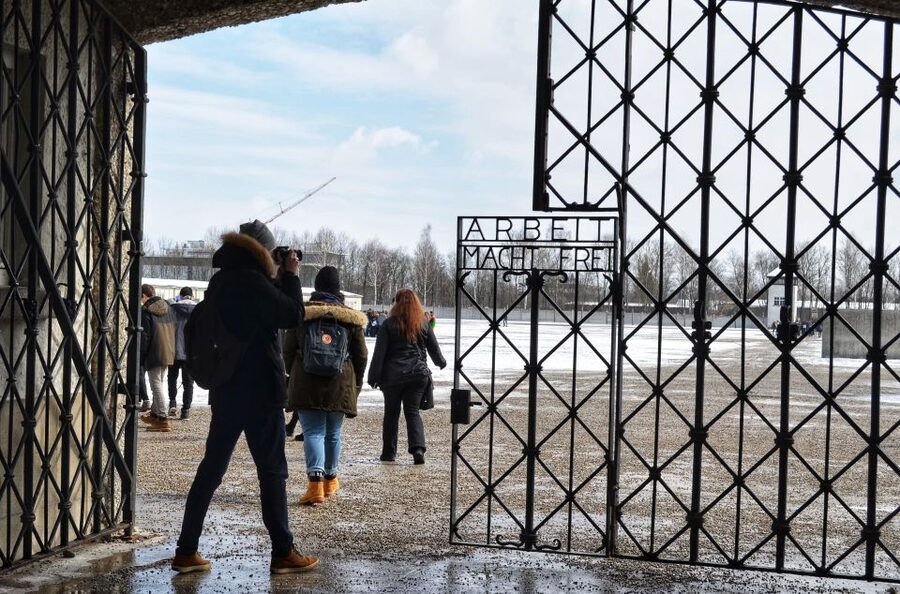
A quiet place with loud lessons. This Spanish-led Dachau Memorial Site tour takes you through the surviving camp layout with an official guide and a respectful pace. I like how the experience is built around memory and reflection, not just sightseeing, but it is emotionally heavy and not suitable for kids under 13.
What I really like is the order of things. You start with the permanent exhibition to get the big picture, then you move into the site itself, including remaining buildings and reconstructions.
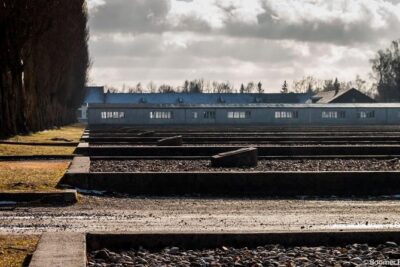
The second big plus is that you do not just glance at the grounds. You visit key areas such as roll-call areas, bunkers, barracks, and the crematorium, then finish with the international and religious memorial spaces.
Key highlights to know before you go
- Spanish-only official guidance that keeps the explanations clear and structured for the group
- Permanent exhibition first, so you understand what you are seeing before you step into the camp remains
- Roll-call, bunkers, barracks, and crematorium as specific stops that give context to the layout
- Original buildings plus reconstructions, which helps you connect the present site to what once existed
- International memorial and religious memorials, adding a different kind of meaning beyond the exhibition
- Strict age and language rules (under 13 not allowed, non-Spanish speakers cannot book)
Why a Spanish guided Dachau tour is worth the effort
If you can follow the day in Spanish, this tour gives you what many people struggle to piece together on their own. An official Dachau Memorial Guide leads you through both the exhibition and the grounds, so the story stays coherent from start to finish.
Language matters here. This is a Spanish-only experience, and non-Spanish speakers are not allowed to book. That rule might feel strict, but it also protects the quality of the visit, especially on a site that requires focus and care.
I also appreciate the tone. This tour is designed to be emotionally moving, with sensitivity and respect for the victims. That signals the right mindset before you even arrive, so you are less likely to treat it like a normal stop on a Munich side trip.
Other guided visits to the memorial site
- Private Dachau Memorial Site Tour from Munich
★ 5.0 · 10 reviews - Munich: Dachau Concentration Camp Memorial Site Tour by Car
★ 3.0 · 4 reviews - Dachau Memorial Public Tour
★ 3.1 · 3 reviews
Getting from Munich to Dachau: train day made simple
The plan is straightforward: you travel from Munich to the Dachau Memorial Site by train, accompanied by an official Dachau Memorial Guide. You do not have to figure out the day’s navigation alone, which reduces stress when you are headed to a serious place.
Meet under the Karlstor Gate at Karlsplatz about 10 minutes before the activity starts. The key practical note is simple: do not go hunting for or boarding buses. You need to find the guide waiting under the Karlstor arch at Karlsplatz.
One more thing to keep in mind is what you carry and what you do not. You will want comfortable shoes, since you are walking the memorial site. Also, no large bags or luggage are allowed, and food is not allowed during the tour. That keeps the group moving and helps maintain the solemn atmosphere of the site.
First stop: the permanent exhibition that sets the context
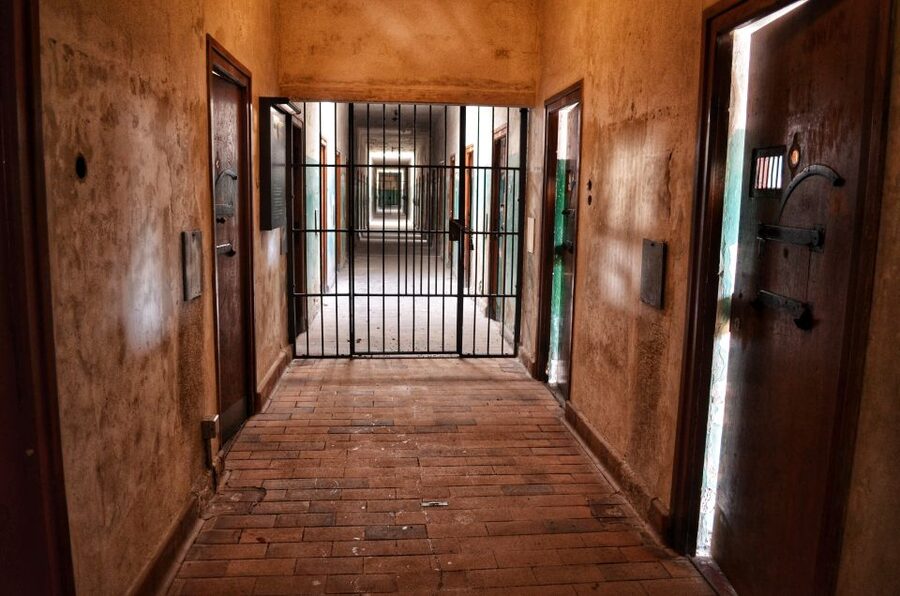
The tour starts with the permanent exhibition, where you get an overview of Dachau Concentration Camp history. This matters because the ground can be confusing if you only see buildings and walls without context.
In the exhibition, the guide’s explanations and the structure of the tour work together. You learn about the history of the camp and its victims, and you gain a clearer understanding of what each part of the memorial means.
I like that the exhibition does not try to speed past complexity. The guide provides interesting facts, historical background, and stories of the victims, with an approach that tends to be patient and clear. For a site like this, that kind of explanation helps you process what you are seeing without feeling lost.
Moving through the site: roll-call, bunkers, barracks, crematorium
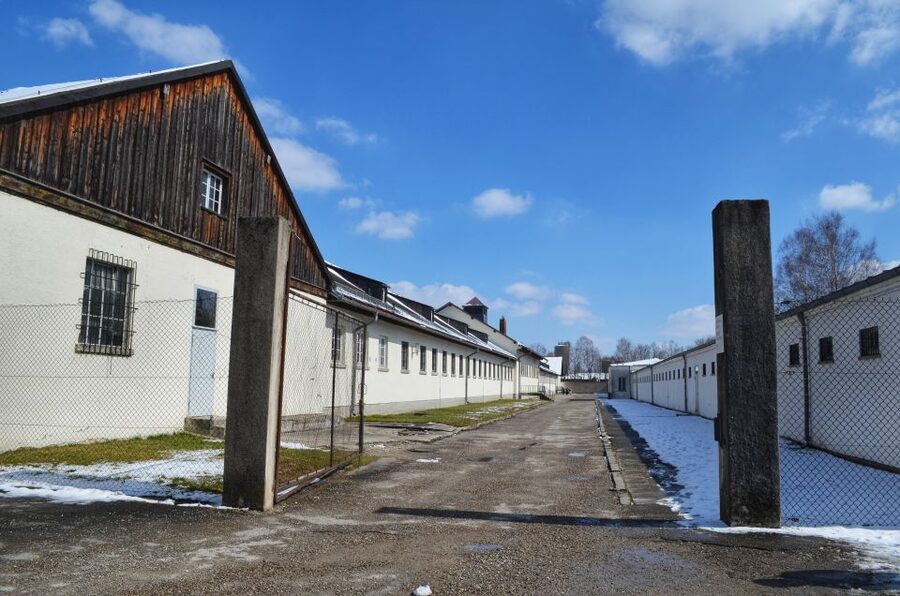
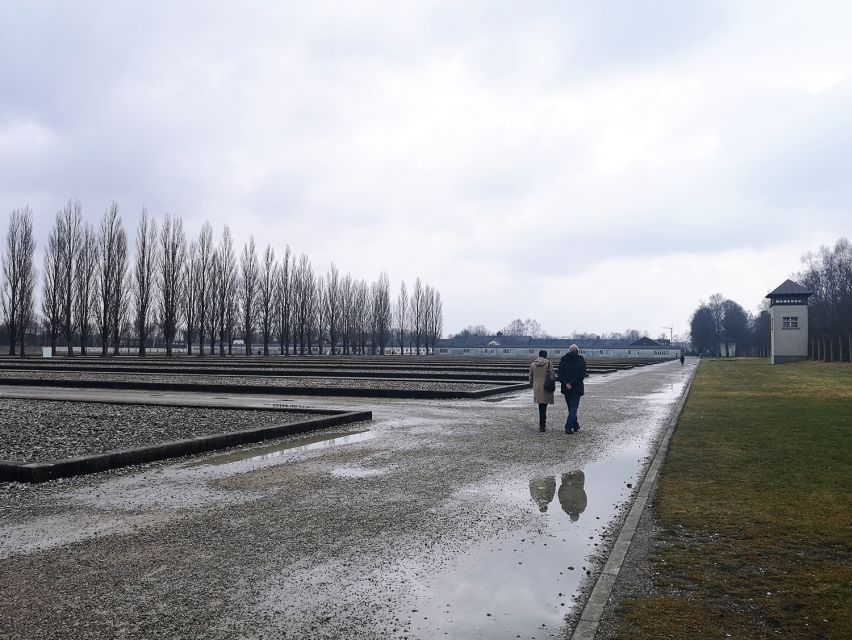
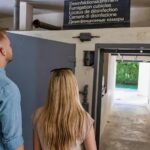
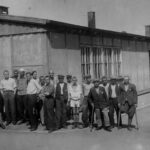
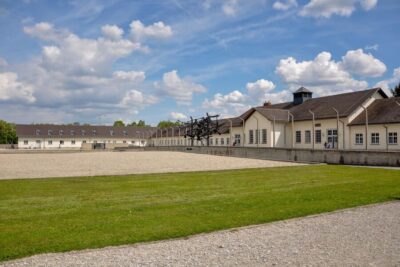
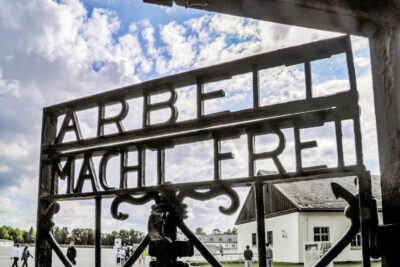
After the exhibition, the tour brings you close to the heart of the memorial: the remaining traces of the former concentration camp. You will see original buildings as well as reconstructions, which are there to help visitors understand the historical reality of the place.
The specific areas you visit make the experience more concrete. You go to places connected to the daily workings of the camp, including roll-call areas, bunkers, barracks, and the crematorium. Instead of treating the site as one big blur of walls, you get a guided walkthrough of key parts of the layout.
A drawback to consider, and it is worth saying plainly, is that this tour is not light. You are going to places tied to mass suffering, and the structure of the day does not soften that. If you tend to feel overwhelmed in emotionally charged settings, it can help to mentally prepare before you arrive, and to keep your expectations realistic.
What the original buildings and reconstructions teach you
This is one of the most important elements of the tour. Seeing both remaining original buildings and reconstructions helps you compare what has survived with what has been rebuilt to explain how the site functioned.
In practice, that means you spend less time guessing. The guide connects the physical space to the story, which is especially useful here because a memorial site can be hard to interpret on your own. You can stand in front of a structure and understand what it represents in the broader narrative.
This combination also makes the visit feel grounded. It is not just a museum experience behind glass. You are walking through a space where evidence still exists, and the tour helps you read that evidence carefully.
International memorial and religious memorials: meaning beyond the exhibition
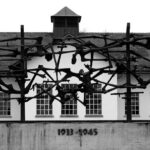
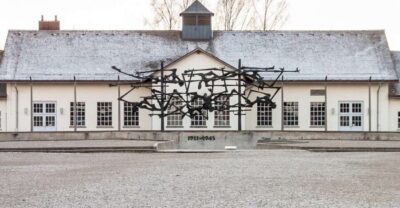
At the end of the main site visit, you shift into memorial spaces that broaden the emotional and spiritual scope of the day. You have the opportunity to see the international memorial and other religious memorials inside the concentration camp area.
This part of the tour can hit differently than the exhibition. The exhibition gives you historical context, while these memorials can feel like a direct expression of remembrance. That contrast is valuable because it reminds you this site is not only about the past, it is also about ongoing acknowledgment and grief.
If you are the type who likes to understand how a place communicates without words, you will probably appreciate this segment. It gives you a chance to reflect before the day ends.
Price and time: is $40 good value for 5 hours?
At about $40 per person for a 5-hour guided experience, this tour is priced in the range where you are really paying for the official interpretation. You are not just buying entry. You are getting a Spanish-speaking Dachau Memorial guide who leads you through both the exhibition and multiple key parts of the site.
That structure is what you are paying for. The permanent exhibition sets context. Then the tour walks you through roll-call areas, bunkers, barracks, and the crematorium. Finally, you add the international memorial and religious memorials. Doing all of that with guided explanations, in the right order, tends to create a clearer, more meaningful visit than piecing it together alone.
What is not included also matters for value. The tour does not include hotel pickup or drop-off. It also does not include food and drinks, and your transport ticket is not included. So your true cost is $40 plus your train fare and any meals you handle separately.
Who this tour fits best, and who should skip
This tour is best for adults and teens who can attend in Spanish and can handle a serious subject with respect. The age rule is clear: children under 13 are not allowed.
It is also not open to travelers who do not speak Spanish. If you are booking for a mixed-language group, you may need to plan separately, since non-Spanish speakers cannot book this specific tour.
On the other hand, if you want an official, structured visit and you prefer having facts and stories delivered in a guided way, this format fits well. The day is also built for people who want a direct plan from Munich, without having to figure out the memorial site route on their own.
Small but important practical tips for your day
Start with the basics. Bring comfortable shoes, because you will be walking the memorial grounds. Keep your bag situation simple too, since luggage or large bags are not allowed.
Also plan for what you cannot do. Pets are not allowed, and food is not allowed during the tour. That means you should eat beforehand or plan a meal afterward, so you can focus during the visit.
Finally, do not arrive late. Meeting at Karlstor Gate at Karlsplatz is the point of coordination, and the guide is waiting under the arch. Showing up about 10 minutes early helps you get settled and makes the start of the tour smoother.
The bottom line: should you book this Dachau Memorial Site Tour from Munich?
Yes, you should book if you meet the requirements and want a guided, respectful visit. A Spanish-only official guide, a permanent exhibition that sets context, and a structured walk through roll-call areas, bunkers, barracks, and the crematorium make this a strong option for people who want understanding, not just photos.
Book with care if you are traveling with a child under 13, or if Spanish is not realistic for your group. Since the tour is not open to non-Spanish speakers, you would be better off looking for a different language option or a different type of visit that matches your comfort level.
If you are willing to bring the right mindset, this is the kind of tour that can stay with you for a long time, because it teaches you how to see the place with attention and respect.
More Tours in Dachau
More Tour Reviews in Dachau
Other Guided Visits to Dachau
Newest Munich and Bavaria reviews
- Munich: Dachau Concentration Camp Memorial Site Tour by Car★ 3.0 · 4 reviews
- Dachau Memorial Public Tour★ 3.1 · 3 reviews
- Private Dachau Memorial Site Tour from Munich★ 5.0 · 10 reviews
Dachau Memorial Tours from Munich, compared.
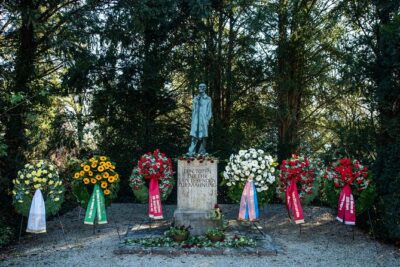 ★ 4.5Dachau Concentration Camp Memorial Site Tour from Munich by TrainFrom $645,637 reviews
 ★ 4.8From Munich: Dachau Memorial Site Day TourFrom $492,723 reviews
 ★ 4.7From Munich: Dachau Memorial Site Half-Day TripFrom $622,526 reviews
 ★ 4.9From Munich: Dachau Memorial Site Full-Day TourFrom $511,406 reviews
 ★ 4.5Dachau Concentration Camp Memorial Tour with Train from MunichFrom $56955 reviews
 ★ 5.0Early-Start Dachau Memorial Half-Day Tour from MunichFrom $62942 reviews
 ★ 5.0Guided Dachau Concentration Camp Memorial Site Tour with Train from MunichFrom $90920 reviews
 ★ 5.0Full-Day Dachau Concentration Camp Memorial Site Tour from MunichFrom $48897 reviews
Listed under