
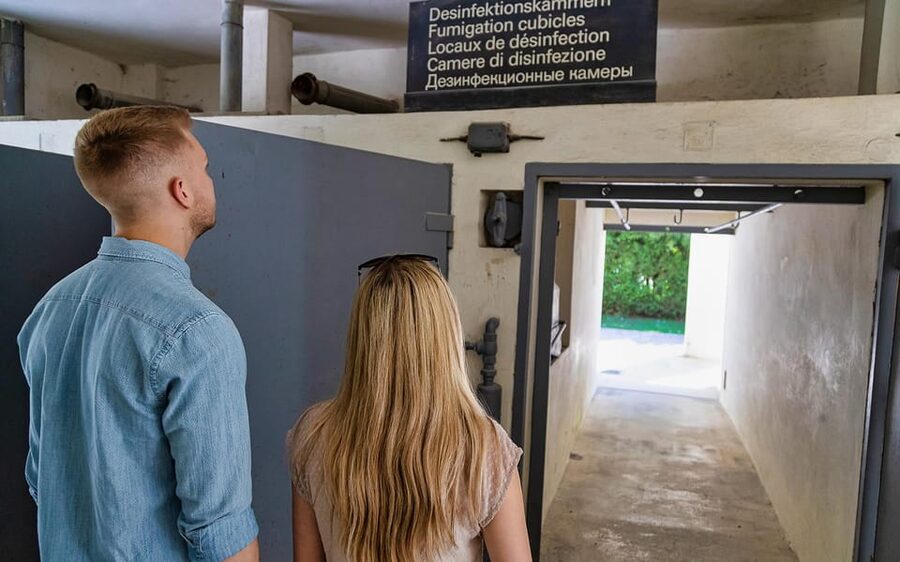
REVIEW · DACHAU MEMORIAL TOURS FROM MUNICH
Private Dachau Memorial Site Tour from Munich
History hits differently at Dachau. This private, 5-hour outing from Munich pairs officially licensed expert guides with clear context, so the site makes sense without turning it into a blur. I also like the practical hotel pickup when requested, which keeps the day from feeling like a scavenger hunt.
What really makes this tour work is the pacing. You spend about 3 hours on site with a guide who explains how Dachau operated from its early days through Nazi collapse and into postwar use, which gives you a framework for what you are seeing. I find that structure especially helpful when you want to focus on remembrance, not just check boxes.
One consideration: this is heavy subject matter, and the tour is not suitable for children under 12. If you are traveling with younger kids, you will need a different plan.
Key highlights worth planning for
- Licensed English guidance that keeps the tone respectful and the history clear
- A private group format, so questions and pace stay human-sized
- About 3 hours at the memorial, long enough for understanding instead of rushing
- Easy Munich logistics, with about 45 minutes total to reach the site
- Clear on-site themes, including prisoner daily life, punishment, medical experimentation, religion-related persecution, and liberation
- Memorial rules enforced, including no selfie sticks, no video, and no audio recording
Dachau is not a typical museum stop
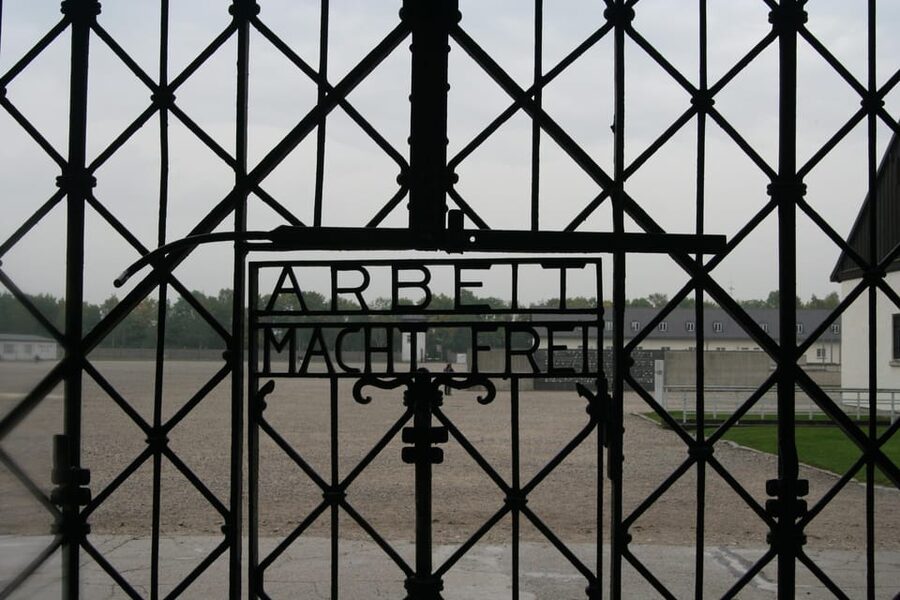
Dachau Concentration Camp Memorial is one of those places where you do not come for entertainment. You come to understand, to remember, and to recognize warning signs that show up long before tyranny reaches its worst form. This tour is built around that idea. The focus is on perspective and clarity, not dramatic storytelling.
Dachau matters historically for specific reasons. It opened early, less than two months after Hitler came to power, and it kept operating for the full 12 years of Nazi rule. It also served as a model for other camps. Later, it became known as the school of terror, with the largest SS training facility within the Reich located there.
You will also learn why this site became a permanent memorial. Dachau was the first concentration camp to become an International Memorial in 1965. That helps you connect the dots between what happened in the 1930s and 1940s and how Europe chose to face the past afterward.
Other guided visits to the memorial site
- Private Dachau Memorial Site Tour from Munich
★ 5.0 · 10 reviews - Munich: Dachau Concentration Camp Memorial Site Tour by Car
★ 3.0 · 4 reviews - Dachau Memorial Public Tour
★ 3.1 · 3 reviews
From Munich to the memorial with minimal stress
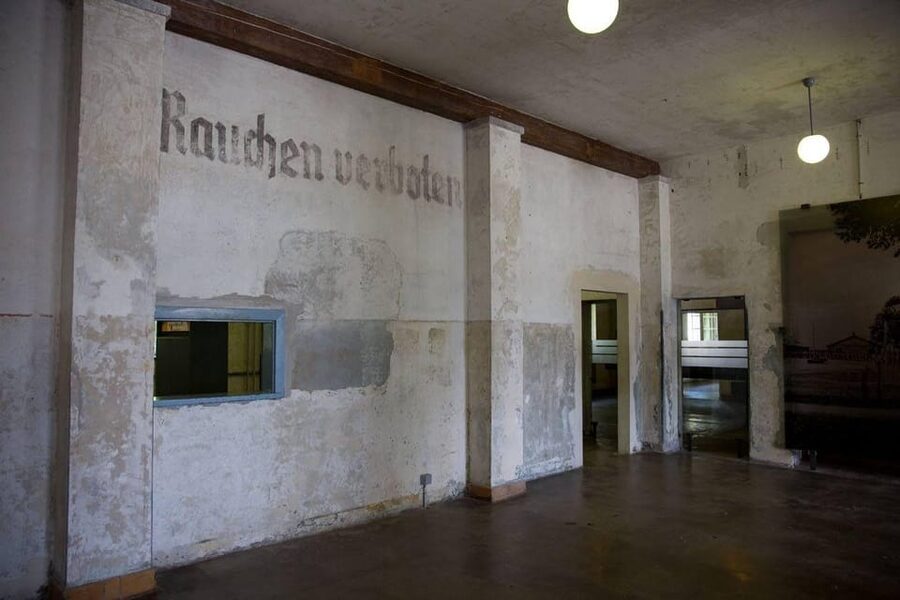
The logistics here are refreshingly straightforward. After meeting at your centrally located hotel, memorial site, or other central meeting point, the ride to Dachau takes no more than about 45 minutes. That matters because you do not want to start a serious day exhausted from transit decisions.
The route uses a mix of train and bus/coach segments. You take a train portion, then a short coach ride, and the rest is another train segment back. It is efficient, and it keeps you with your guide instead of wandering across station signage while you are already emotionally bracing for the visit.
This kind of planning is also a quiet win for families and older guests. In past departures, guides like Mat and Markus have handled questions patiently and kept communication easy, which helps when your group includes people who do not want the day to feel confusing.
The heart of the day: 3 hours inside the memorial
You will spend roughly 3 hours on site. That is a useful amount of time. Too short, and you miss context. Too long, and fatigue can blunt what you are trying to absorb. This pacing aims for steady understanding.
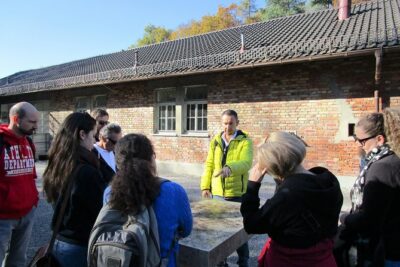
A good guide matters a lot at Dachau. The memorial holds many separate realities at once, and without context it is easy to feel lost among buildings, remnants, and exhibits. Here, the guide helps you read the site in stages, connecting what you see to what the camp did at different points in its history.
You can expect the tour to cover:
- the camp’s early role and how it fit into Nazi power in the 1930s
- how the system functioned through daily prisoner life
- how punishments were carried out and what they were meant to achieve
- how religion-related aspects were used inside the prison framework
- the impact of forced medical practices and experiments
- how prisoner groups were organized
- what liberation looked like when U.S. liberators arrived on April 29, 1945
Knowing those themes ahead of time changes your experience. Instead of scanning for meaning in every corner, you get a mental map for how the camp worked.
How the guide connects numbers, dates, and cause-and-effect
The most chilling part of Holocaust history is how organized it was. Dachau is a clear example of that organization. In the period leading up to liberation, 206,000 people from 34 nationalities were imprisoned there, and more than 43,000 were murdered.
You will also hear how the camp was part of a broader system, not just an isolated tragedy. Dachau’s early start helped set patterns. Its long operation meant policies stayed in place through years of escalating Nazi control. The fact that it was a training hub for the SS also underlines how ideology was turned into practice, with real people carrying out real harm.
If you care about political and economic context, this tour aims to clarify it. You are not only looking at suffering in isolation. You are learning how the climate of the 1930s helped allow this chapter to unfold.
Guides like Mat are especially valued for how they explain this context clearly and sensitively. If you tend to ask questions when something does not add up, you are in the right place. Past guides have shown an ability to answer questions directly while keeping the tone appropriate for the subject.
Daily life, punishment, and medical experimentation: what to expect
The tour does not treat Dachau as one straight line from arrival to liberation. It looks at the camp at multiple stages and through multiple lenses, including how prisoners lived and how the system kept control.
Daily life is one of the hardest sections to process because it forces you to picture routine. You will learn about the structure of imprisonment, the way punishment was used, and how the camp operated day after day rather than only as a headline event.
Punishment and coercion are addressed in a way that explains purpose, not just details. The goal is to help you understand why cruelty was systematic, not random.
Medical experimentation is another major topic. The tour format is designed to help you understand what that means in human terms and why it matters historically. That topic alone is reason to have an expert guide who can present information with care.
Religion-related persecution is also covered, which helps explain why Dachau affected prisoners in more ways than most visitors initially expect. You will also learn about prisoner groups, because the camp sorted people into categories and controlled them using that structure.
Finally, you will end with liberation. On April 29, 1945, U.S. liberators arrived. The tour uses this moment to show what changed, and what did not change immediately. It also connects the war’s end with Dachau’s later status as an international memorial.
Respect and memorial rules you should plan for
This is one of those days where your travel habits need to switch gears. The memorial has clear rules that the tour follows, including:
- no smoking
- no luggage or large bags
- no drones
- no selfie sticks
- no intoxication, alcohol, or drugs
- no video recording
- no audio recording
It may sound strict, but it keeps the focus where it belongs. If you are used to documenting everything, you will need to adapt. Think of it like a guided walk where your attention is the main souvenir.
Also, wear appropriate footwear. The site is not about fashion. Comfortable, supportive shoes are the difference between listening well and being stuck in a sore-body spiral.
Price and private-group value from Munich
At $273 per person for a 5-hour private tour, you are paying for more than a ride and a ticket. You are paying for:
- an officially licensed expert guide
- hotel pickup when requested (for centrally located hotels)
- public transportation tickets
- a private group format, which can matter a lot for questions and pacing
Whether this is good value depends on how you travel. If you like to control timing, ask lots of questions, or you want a guided explanation that reduces guesswork, the private format is where you feel the price. If you would rather do it alone and read everything in your own pace, you might choose other options.
But for Dachau, I think the paid guidance is part of why the experience works. When the subject is heavy and the details matter, having an expert explain structure and meaning can help you avoid misunderstandings and let you stay respectful while still learning.
The reviews highlight that guides such as Mat and Markus were praised for strong English, sensitivity, and patience with questions. That is not a small thing here. It directly affects how comfortable you feel asking what you genuinely want to understand.
Who this tour suits best (and who should reconsider)
This tour is labeled as a private group and is wheelchair accessible, which makes it a practical choice for visitors who want a guided experience without giving up accessibility.
It is also not suitable for children under 12. That is an important filter. If you are traveling with younger kids, they likely will not get the pacing or tone needed for this setting.
This kind of tour also suits older travelers. In past experiences, guides were described as patient and courteous with elderly relatives. If you are traveling with someone who needs clear, calm communication and extra time for questions, this format can help.
If you prefer busy, free-roaming days, you might find the topic demanding and the structure limiting. But if you want a thoughtful route through history with someone there to connect it for you, you will probably appreciate the discipline of the plan.
Practical trip tips that make the day smoother
A few simple steps will improve your experience:
- wear comfortable shoes, because time on site matters
- travel light. large bags are not allowed, so plan what you truly need
- expect no phone-style filming. No video or audio recording is allowed
- bring questions, even awkward ones. A good guide will handle them in a respectful way
- be ready for a serious tone. This is remembrance work, not a casual sightseeing loop
And yes, it is okay to feel unsettled. This is a place that forces real reactions. The tour’s goal is to give you the tools to process those feelings with understanding.
Should you book this Dachau tour from Munich?
If you want a guided, private, English-led visit that gives context for what Dachau was and how it functioned across different periods, I think it is a smart choice. The mix of a licensed guide, about 3 hours on site, and smooth Munich transit keeps you from wasting energy on logistics while you should be focused on understanding and remembrance.
I would especially recommend it if:
- you care about political and economic context, not just dates
- you want help connecting themes like daily life, punishment, medical experimentation, and liberation
- you prefer a private format where questions are welcome
- you want a guide who can handle the subject with sensitivity
Skip it if you are bringing kids under 12, you are not able to follow memorial rules on recording and bags, or you are looking for a light day out. Dachau is not built for that.
If you are deciding between doing it alone and going with a guide, this tour leans toward the option that helps you leave with understanding, not just images. That, to me, is the real value of paying for guidance here.
More Tours in Dachau
More Tour Reviews in Dachau
Other Guided Visits to Dachau
Newest Munich and Bavaria reviews
- Munich: Dachau Concentration Camp Memorial Site Tour by Car★ 3.0 · 4 reviews
- Dachau Memorial Public Tour★ 3.1 · 3 reviews
- From Munich: Dachau Memorial Site Tour in Spanish★ 4.9 · 300 reviews
Dachau Memorial Tours from Munich, compared.
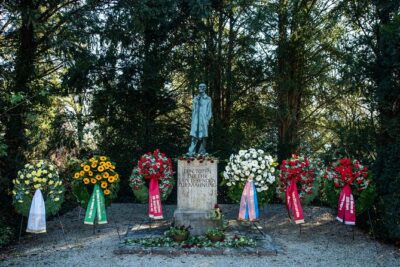 ★ 4.5Dachau Concentration Camp Memorial Site Tour from Munich by TrainFrom $645,637 reviews
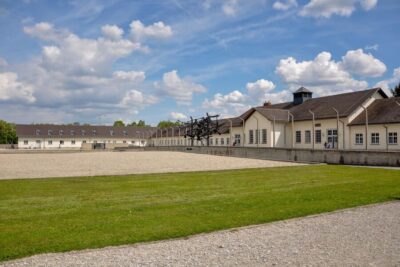 ★ 4.8From Munich: Dachau Memorial Site Day TourFrom $492,723 reviews
 ★ 4.7From Munich: Dachau Memorial Site Half-Day TripFrom $622,526 reviews
 ★ 4.9From Munich: Dachau Memorial Site Full-Day TourFrom $511,406 reviews
 ★ 4.5Dachau Concentration Camp Memorial Tour with Train from MunichFrom $56955 reviews
 ★ 5.0Early-Start Dachau Memorial Half-Day Tour from MunichFrom $62942 reviews
 ★ 5.0Guided Dachau Concentration Camp Memorial Site Tour with Train from MunichFrom $90920 reviews
 ★ 5.0Full-Day Dachau Concentration Camp Memorial Site Tour from MunichFrom $48897 reviews
Listed under