
REVIEW · MUNICH CLASSICAL CONCERT TOURS
Mozart and German Composers Private Tour in Munich
Mozart and other composers help you see Munich fast. This private Old Town walk turns big-name music into specific places, from Marienplatz to the Bavarian State Opera world. I love the way the guide links composers like Mozart, Strauss, and Wagner to what you can actually see, and I also like that you get a tailored conversation instead of a scripted march. One thing to consider is that 2 hours goes quickly, so you’ll want comfy shoes if you’re expecting lots of lingering at each landmark.
You also get a very focused musical theme, not just church-and-palace sightseeing. The tour explains how Munich became a music center and then shows the evidence with stops tied to real premieres, court performances, and choir traditions. My only caution: if you’re super into one composer or one period, you may want to tell your guide early so the pace and details match your interests.
Quick hits before you go
- A 5-star licensed private guide who speaks your chosen language (English, French, German, Italian, Spanish, Polish)
- Marienplatz and major landmarks like Frauenkirche and the Bavarian State Opera area
- St Peter’s Church choir tradition, with roots going back to the early 13th century
- Court, church, and bourgeois music culture tied to the exact streets you’re walking
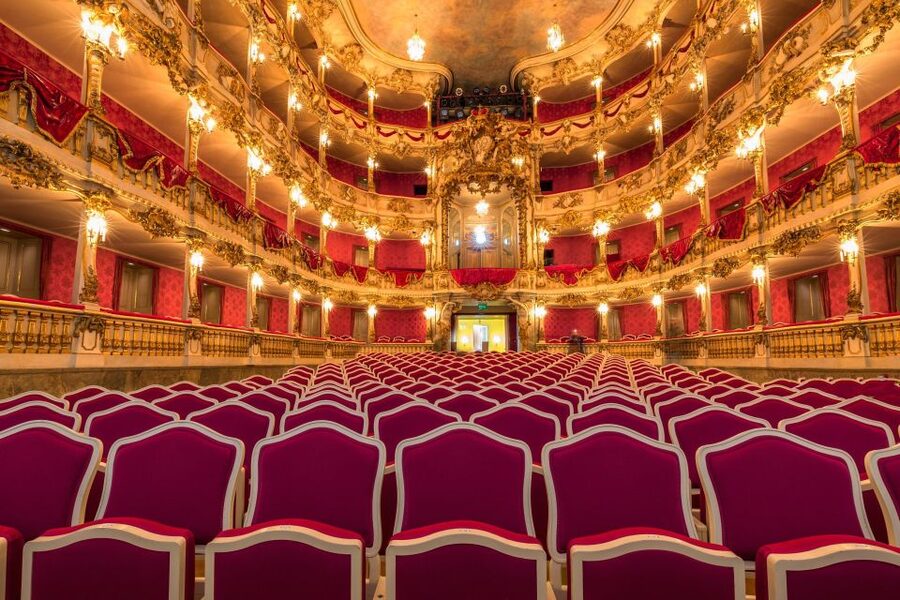
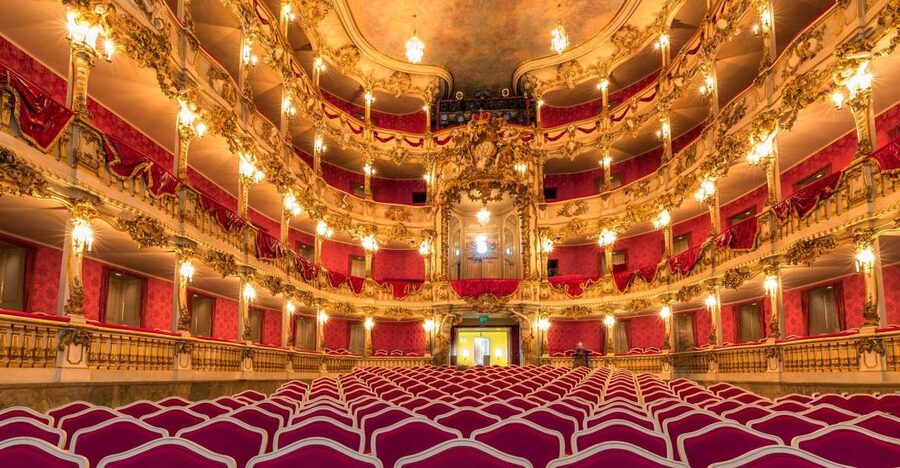
- Mozart connections you can point to, including his 1781 opera Idomeneo at the Cuvilliés Theater
- Old Town walking at a 2-hour tempo, best for visitors who want meaning without a long day
Why this Mozart-and-composers walk works in Munich

Munich can feel like a postcard city, all squares and churches. What makes this tour different is that the guide uses famous composers as your map. You’re not just walking from one landmark to the next, you’re building a mental soundtrack as you go. That sounds like a niche idea, but it’s practical. When you know who worked where, you start noticing details you would otherwise miss.
The tour is also genuinely easy to plan. It is private, it’s two hours, and it starts at a clear meeting point in the heart of the Old Town, right by St Peter’s area (meet in front of hotel BEYOND by Geisel, Marienplatz 22, opposite St Peter). If you’re a first-timer, that location is a gift. If you’ve been to Munich before, it still gives you a new lens through music.
Value-wise, $215 per person sounds steep until you remember what you’re buying: a private guide for a tight, themed route that covers multiple big sights in one go. For music lovers, it’s often better than paying separately for museum tickets plus a generic city guide. You’re paying for context and for the guide’s ability to connect names you recognize to buildings you can see.
Private guides in Munich
- Munich Private Tour with a Local – Highlights & Hidden Gems
★ 5.0 · 469 reviews - Mike’s Neuschwanstein & Linderhof Private Tour from Munich
★ 5.0 · 197 reviews - Dachau Concentration Camp Private Tour by Train from Munich
★ 5.0 · 185 reviews - Fall in Love with Munich in a Private Old Town Walking Tour
★ 5.0 · 182 reviews
Meeting at Marienplatz, then walking into the musical story
Your tour starts at the meeting point in front of hotel BEYOND by Geisel on Marienplatz 22, opposite St Peter. The important practical note is simple: do not enter the hotel. The staff is not informed about the tour, it’s just a meeting landmark.
From there, you’ll move through the Old Town with a focus on how Munich shaped musical life. The guide frames it in three layers: court music, church music, and the bourgeois side of musical culture. That’s a useful breakdown because it explains why you see different kinds of music happening in different kinds of spaces. Courts needed performers and composers. Churches needed trained choirs and music for worship. City life supported its own musical habits too.
If you’re the type who likes to understand why a place matters, this format is exactly that. You’re not memorizing dates for no reason. You’re learning what created the city’s musical identity and why certain buildings were chosen for certain kinds of work.
St Peter’s Church: where choir tradition sets the tone
One of the first anchors in the tour is St Peter’s Church. This stop matters because church music is not just a background detail in Munich. You’re learning how traditions formed, and this building represents that continuity.
The guide points out that the choir tradition dates back to the early 13th century. That’s a huge timescale, and it changes how you see the church. Instead of thinking of it as only a pretty landmark, you start thinking of it as a working institution with long musical memory.
Practical tip: pause for a moment inside if the church is open when you’re there, even briefly. On this route, you’re looking for how music would have lived in the space, not just how the exterior looks in photos. If the inside access is limited, still take your cues from what the guide describes. The history is the point.
A possible drawback is that St Peter’s and the next stops are all within walking distance, so you might not get long, quiet moments. This tour is built for momentum. If you want a slow, contemplative church experience, you may want to add extra time on your own after the tour.
Marienplatz and Frauenkirche: training, talent, and famous names
Next you’ll stroll through Marienplatz, then head toward Frauenkirche. This is where the tour gets particularly fun for music geeks, because it connects the building to the people who learned and performed there.
You’ll hear how many young musical talents trained under the guidance of Orlande de Lassus, one of the most prominent musicians of the 16th century. Lassus is one of those names you’ll recognize from the broader European classical story, but here he becomes local. The building stops being abstract and starts feeling like part of a learning pipeline, not only a monument.
Why this connection is valuable: it answers a question you might not realize you have. Many visitors come knowing the famous composers, but they don’t think about how skill gets passed along. The guide frames Munich as a place where training fed performance. That makes the city’s musical output feel logical instead of random.
Practical tip: in this area, expect crowds depending on the time of day. Since your tour is private, you won’t be forced into a large group bottleneck, but the streets around Marienplatz can still be busy. Wear shoes you don’t mind getting slightly warm and take water if it’s a hot day.
National Theater and the Bavarian State Opera world
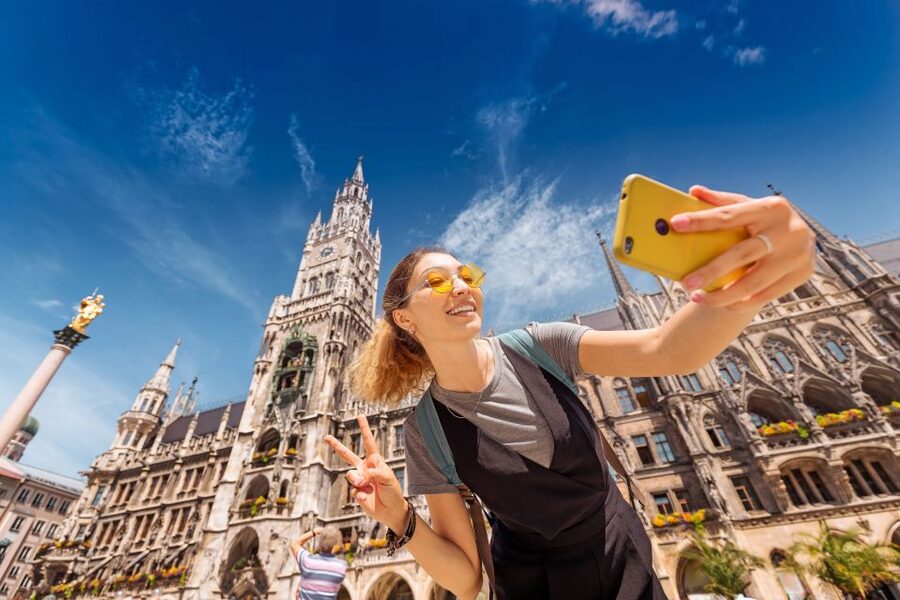
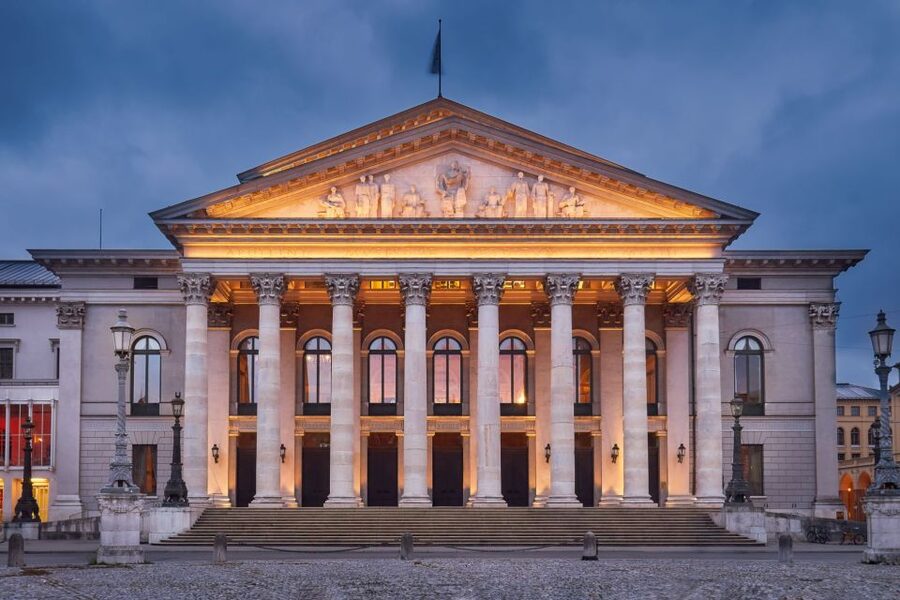
As you continue, you’ll reach the National Theater area, home to the Bavarian State Opera, also known as Bayerische Staatsoper. This stop is about performance history, and it brings the tour’s composer theme into sharper focus.
The guide ties the building to Richard Wagner’s works, noting that many of Wagner’s compositions were premiered there. You’ll also hear that Richard Strauss worked as a third conductor. That detail gives you a sense of how these figures were not just composers writing in isolation, but working professionals in specific institutions.
This is one of the most “wow” stops because it’s concrete. It’s not a vague claim that Munich cared about music. It’s that the city’s opera house became part of the career arcs of major names.
If you’re wondering what you’ll actually do with that info: it changes what you pay attention to as you walk away. Instead of thinking the opera house is just a landmark, you start looking for the kind of cultural engine that creates premieres and opportunities.
A consideration: the tour is two hours total, so you won’t get a full opera-house level visit. Plan on enjoying the exterior and the explanation, then consider adding extra time later if you want deeper access to the venue.
Munich Residenz: Mozart in a seat of power
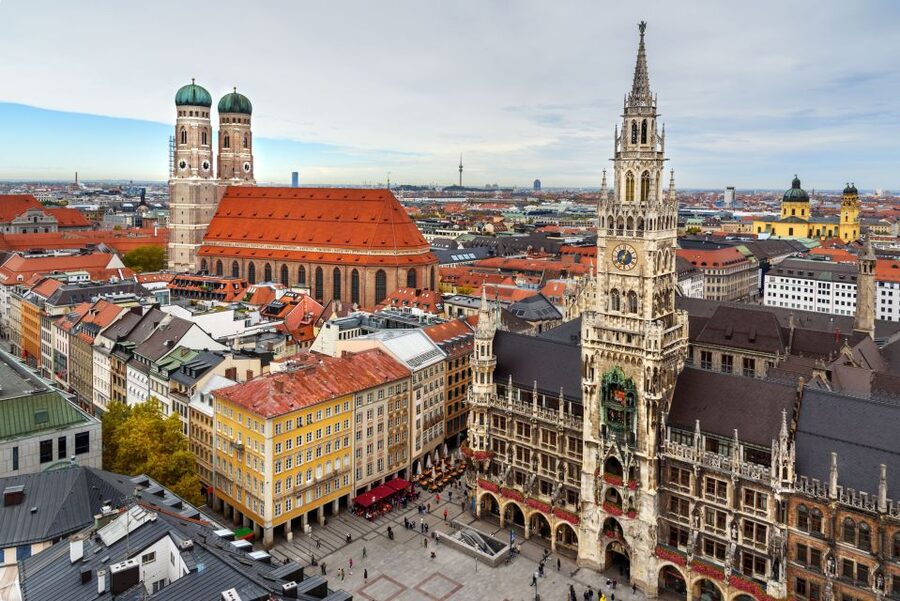
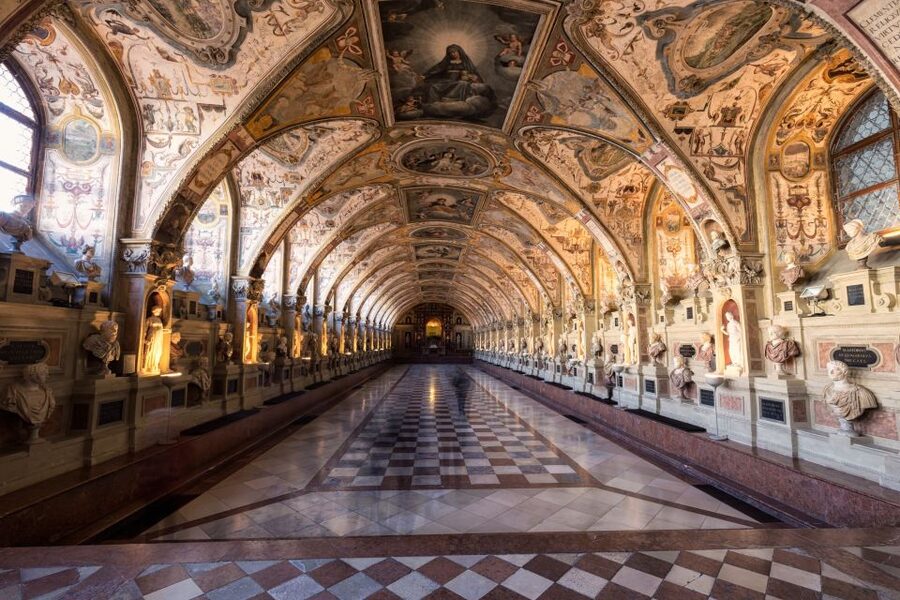
One of the big payoff stops is the Munich Residenz. This is where the tour turns from opera to court life, and it gives you a more human, place-based Mozart story.
You’ll learn that Wolfgang Amadeus Mozart played a concert for Elector Karl Theodor and the King of Naples, Ferdinand IV. That’s an impressive reminder that classical music history isn’t only about composers and audiences. It’s also about rulers, politics, patronage, and status.
Why I like this part of the tour for your planning: it gives you a reason to care about palaces beyond their architecture. The Residenz becomes a stage in a real social hierarchy. You start connecting the buildings you see to the people who had the power to commission, host, and amplify music.
If you want to get more out of the stop, ask yourself a simple question as you stand there. Where would a concert happen in this kind of setting, and who would be the audience? The guide’s details help you answer it, even if you never step deeper into a formal hall.
Other Munich bookings for the same trip


Cuvilliés Theater and Mozart’s Idomeneo premiere

Inside the Residenz complex, you’ll also see the Cuvilliés Theater. This is a highlight because the tour pins Mozart to a very specific milestone.
You’ll hear that Mozart premiered his opera Idomeneo here in 1781. That fact does something powerful for your understanding. It takes the name Mozart and turns it into a concrete event tied to a room.
Even if you don’t know Idomeneo well, you now have a launch point. You can go on after the tour and listen with a place in mind. That makes the whole experience more than a walking history lesson. It becomes a memory you can revisit.
Practical tip: if you’re the kind of traveler who likes to look up music afterward, note the opera title before you leave. The route keeps moving, so it’s easy to forget a name in the excitement.
What your 2-hour private format really means
This is a private group, so you’re not sharing your guide with a crowd. That matters for two reasons.
First, you can ask questions. If you care more about church music than opera, or more about one composer, your guide can steer the story that way. The tour is described as tailored to your needs and interests, and you’ll feel that in how the guide chooses what to emphasize.
Second, the pacing can be adjusted. Two hours is compact, which is great for scheduling. It does mean you won’t get every detail about every composer. One person’s 5 out of 5 can still include the same practical issue: if you want a longer, slower experience, two hours is the limit.
A smart way to handle that: decide what you want most before you meet the guide. If you’re not sure, start with curiosity. Ask your guide what they think visitors usually get wrong about Munich’s musical development. That question pulls you into the story fast.
Languages, guide quality, and how to get the most out of it
The guide is licensed, and the tour is offered in multiple languages: English, French, German, Italian, Spanish, and Polish. That matters because music history gets better when the guide can explain nuance without slowing down your understanding.
Based on the strong overall rating, the guidance here tends to land well, especially for people who are already music lovers. The best part is not only that the guide knows facts. It’s that the guide connects those facts to the places. You should expect clear stories about the composers and the musicians tied to the performances you see represented around Munich.
Here’s how you can maximize the experience in your own style:
- If you can read the names on the buildings quickly, do it. It helps you follow the story without getting lost.
- If you’re into one composer, say so immediately. Then the guide can shape the route to give you the most satisfying details.
- If you’re more general-interest, ask for a short “how to listen” moment at the opera and court stops. Even small guidance makes the whole theme click.
Also, do this practical step: check your email the day before the tour. You’ll receive important information there, and it can prevent small day-of surprises.
Price and value at $215 per person
At $215 per person, this tour is not an impulse buy. The question is whether it replaces other spending for you.
For value, I’d compare it to this combo:
- a generic Old Town guide or self-guided walk with no composer context
- plus optional time spent learning the connections you’ll hear here
- plus the opportunity cost of splitting your time between too many stops without meaning
Because this tour ties multiple top sights together under one theme, it can be a strong deal for the right traveler. If you’re a music lover, or you want to understand Mozart, Strauss, and Wagner beyond their names, you’re paying for that translation of history into place-based storytelling. Private guiding also helps you stay comfortable and focused in a city that can be busy around major squares.
If you’re more casual about classical music, you might still enjoy the sights, but the theme will matter less. In that case, you might consider whether you’d rather spend the time elsewhere, like a museum day.
Is it right for you? My booking recommendation
Book this tour if:
- You like classical music and you want to connect composers to real Munich locations.
- You’re short on time but still want a meaningful walk through the Old Town.
- You prefer a private guide who can tailor the story to your interests.
- You want clear stops like Marienplatz, Frauenkirche, the opera area, and the Residenz complex tied together with composer stories.
Skip it or adjust expectations if:
- You want a long, slow, inside-heavy experience at each site. This is 2 hours, so it moves.
- You’re traveling with very young kids or anyone who struggles with walking. There’s no accessibility info provided, so check with the operator for your specific needs.
- You only care about buildings and not the music behind them.
Overall, I’d call this a smart, focused tour for music-minded visitors to Munich. It turns the city’s major landmarks into chapters of one story. And once you leave with those connections in your head, Munich’s Old Town feels less like a list and more like a lived-in performance space.
FAQ
How long is the Mozart and German Composers Private Tour in Munich?
The tour lasts 2 hours.
What is the starting location for the tour?
Meet your guide in front of hotel BEYOND by Geisel at Marienplatz 22, 80331 Munich, opposite St Peter.
Where does the tour end?
The tour ends back at the meeting point.
Is this a private tour or a shared group?
This is a private group tour.
What languages are available for the live guide?
The live guide is available in English, French, German, Italian, Spanish, and Polish.
How much does the tour cost?
The price is listed as $215 per person.
How do I know what time it starts?
Starting times vary, so you need to check availability to see the times offered.
Is free cancellation available?
Yes. You can cancel up to 24 hours in advance for a full refund.
Do I need to pay right away when booking?
You can reserve now and pay later, so you do not pay anything today.
More Private Munich Days




More Tours in Munich


More Tour Reviews in Munich
Newest Munich and Bavaria reviews
- Scenic Adventure Private Day Tour to The Konigssee Salzburg★ 4.5 · 3 reviews
- Jewish Museum & Jewish Quarter Guided Tour with Tickets★ 4.0 · 3 reviews
- Private Linderhof Castle, Entry-Ticket – optional Toboggan Run★ 5.0 · 3 reviews
- Private Transfer from Munich to Salzburg, English-speaking driver★ 3.5 · 3 reviews
- Private tour from Munich to Rothenburg and Harburg★ 5.0 · 3 reviews
- Arrival Transfer Munich Train Station to Munich by Luxury Van★ 5.0 · 3 reviews
Munich Classical Concert Tours, compared.
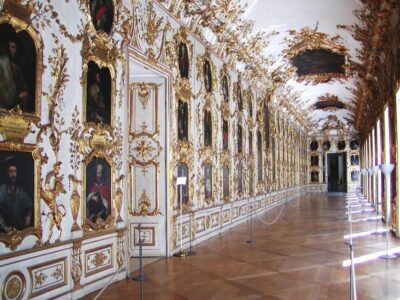 ★ 4.5Classical Concert at the Residenz PalaceFrom $43148 reviews
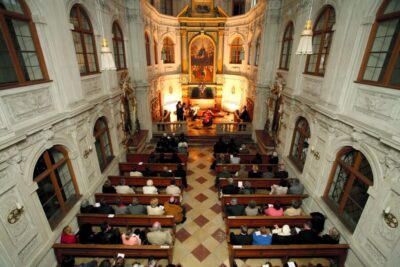 ★ 4.4Concert in the Court Chapel of the ResidenzFrom $50108 reviews
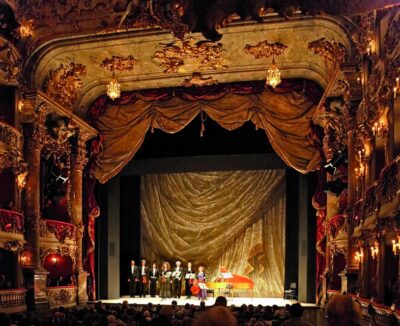 ★ 4.9Gala Concert in the Cuvilliés TheatreFrom $115101 reviews
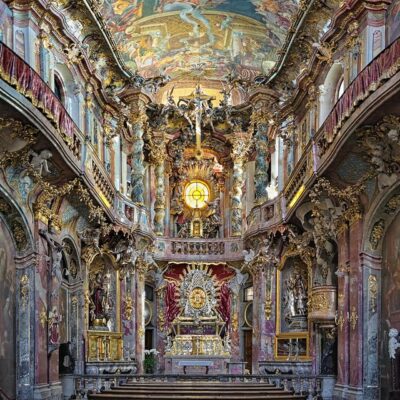 ★ 4.3Spanish Guitar & Bach Toccata at AsamkircheFrom $3527 reviews
 ★ 4.7Nymphenburg classical music à la MozartFrom $443 reviews
Listed under