

REVIEW · MUNICH THIRD REICH AND WWII HISTORY TOURS
Munich: Birthplace of the Third Reich Guided Walking Tour
Munich can feel friendly, until you look closer. This guided walk turns familiar street scenes into a clear chain of events, from early Nazi organizing to Kristallnacht and the people who were targeted. I like the street-level grounding and how the tour points out what still exists in the city today. Two specific things I also love are the focus on named planning moments and the way the guide keeps the subject human, not abstract.
You should know one drawback up front: this is heavy, emotionally demanding history, and it moves at a pace that is still a true walking tour for 2.5 hours. If you prefer only light sightseeing, you may find parts of it hard to sit with.
Even with the weight, the experience earns its credibility. A strong guide, like Jake, Sam, Dan, or Steve, can make you feel the logic of how power grew in Munich while also honoring victims and opponents of Nazism. Expect questions to be welcome, and expect the tour to be delivered with a careful balance of empathy and (sometimes) mild humor to help you keep going.
Key things you’ll notice on this Munich Third Reich walk
- Beer halls tied to early Nazi speeches, so you understand how propaganda recruited everyday supporters
- A stop connected to Goebbels and Kristallnacht planning, linking ideology to coordinated action
- The official Nazi headquarters area, a reminder that some Nazi-era structures endured bombing
- Memorials for victims and opponents of Nazism, which shift the story from perpetrators to people harmed
- Guides who actively answer questions, including talkative Q and A moments between stops
Why Munich became the launchpad for the Third Reich
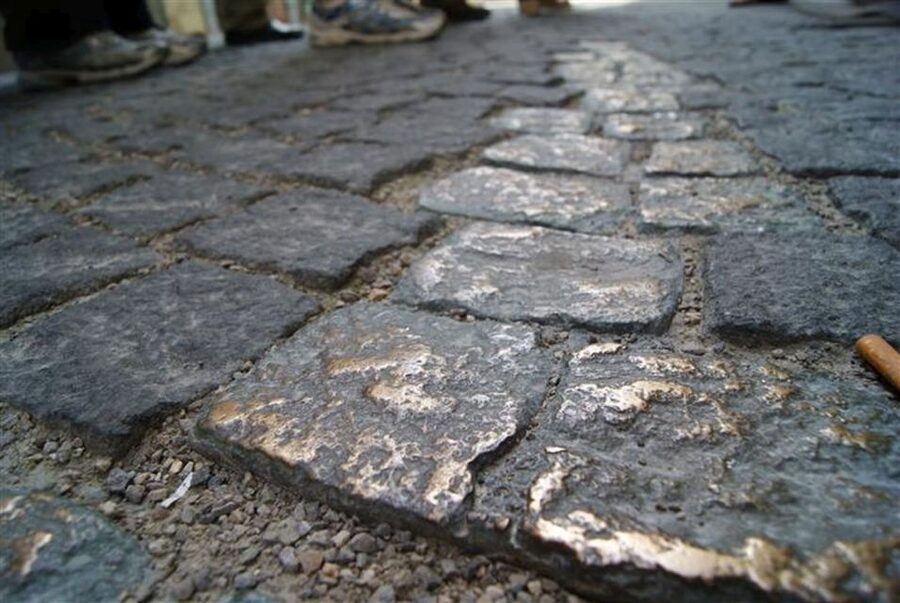
Munich is not just another German city with old buildings and beer steins. In the early 20th century, it became a place where extremist ideas could grow roots, recruit followers, and spread through public life. That is the big promise of this walking tour: it shows you how the Nazi Party rose in Munich long before the world understood what it would become.
The route is designed around cause and effect. You start with the movement’s early public face, then work toward the machinery of terror, and finally end with the city’s efforts to remember victims. That structure matters because it keeps the story from becoming a list of dates. You can actually feel how one step led to another.
Also, the city itself does some of the teaching. Even when you look at modern streets, the tour draws your attention to survivors from the Nazi period and to scars left by World War II. You start noticing how history can live right alongside daily routines.
Other walks through the same years
- Munich: Third Reich & WWII Walking Tour
★ 4.6 · 6,181 reviews - Third Reich Walking Tour Munich
★ 4.5 · 4,291 reviews - Munich: Birthplace of the Third Reich Guided Walking Tour
★ 4.6 · 771 reviews - Munich World War II Sites Including Dachau Concentration Camp
★ 4.5 · 570 reviews
The beer halls where Nazi power learned to speak
One of the most memorable parts is the time spent at beer halls where Hitler made early appearances. These stops are not included for nostalgia. They help you see how hate propaganda used familiar spaces, social gatherings, and public rhetoric to gain attention and recruits.
On this tour, the guides focus on early meetings and speeches, including the settings where the fanatics started gathering in small numbers and later gained momentum. That’s important because it explains the pattern: extremists do not usually win only through tanks. They win through persuasion, repetition, and crowd dynamics.
I like that the tour encourages you to look at the setting, not just the facts. If you pay attention to the atmosphere those venues created, the story becomes easier to understand. You can also see why later events felt so sudden to outsiders, while insiders were building a political machine step by step.
One practical note: beer hall stories are talk-heavy, and the emotional weight can build. If you get tired easily while standing still, pace yourself and use the walking segments to reset your focus.
Goebbels, Kristallnacht, and the moment hate became organized
The tour then moves into a darker phase, with a stop at a building tied to Goebbels plotting the Night of Broken Glass. Even without technical details, this kind of site forces you to grasp the jump from ideology to planning. Something that sounded like rhetoric in speeches becomes coordinated action in the real world.
This is also where the guide’s tone matters. Several guides highlighted for strong delivery include Sam and Jake, and their presentations are praised for being both thorough and sensitive. You can expect the narration to connect what you see with what was happening behind the scenes.
A good guide does not just recite. They help you hold two truths at once: the Nazis used propaganda and bureaucracy, and the victims were not symbols. The tour’s emphasis on anti-Semitism and the memory of its victims supports that.
If you have a nervous system that gets overwhelmed by grim topics, this is where you may feel it. It is worth mentally preparing yourself: this stop is meant to land, not to entertain.
The Nazi headquarters area, and why surviving buildings are unsettling
Another key element is the stop near the official Nazi headquarters. The tour frames it in a way that helps you understand power as something physical and institutional, not only ideological. You are shown the surrounding context too, including other buildings that survived while much of central Munich was devastated by Allied bombing.
This matters because it changes what you think you are looking at. You are not just viewing old architecture. You are looking at places that, in some cases, helped the Nazi regime operate. Even when a building no longer functions in the same way, its presence can make the past feel uncomfortably tangible.
I appreciate how the tour pairs those Nazi-era structures with the memorials nearby. The pairing prevents the story from feeling like a cold artifact collection. It pushes you toward the point that Nazism was not only a system, it was also harm inflicted on real people.
This section is also where the tour can feel like a reality check about how societies allow horrible systems to grow. Standing near surviving sites makes that lesson harder to dodge.
Memorials for victims and opponents: how the tour keeps the focus human
The walk ends with the monuments honoring the many victims and opponents of Nazism. This is not a sentimental add-on. It’s a necessary counterweight to the earlier stops tied to propaganda and political maneuvering.
In my view, this ending is what makes the tour worth doing, especially if you have limited time in Munich. A tour that only points at perpetrators would be incomplete. Here, the memorial focus gives you a place to reflect on the consequences, and it reminds you that resistance existed, and suffering was not abstract.
Guides like Steve and Nic are specifically praised for balancing heavy material with empathy and a way of communicating that stays respectful. That kind of delivery matters when you are standing at remembrance sites. It helps you stay oriented: this is about people, and their memory deserves more than a quick photo.
If you take anything from this ending, take this: the city is not ignoring what happened. It is working through memory, and the tour’s final tone nudges you to join that act of remembering with care.
How guides shape the experience, and what you should ask
The quality of any walking tour depends on the guide, and this one tends to score highly for a reason. Multiple guides are praised for being clear, structured, and genuinely willing to answer questions. Names that come up include Jake, Sam, Dan, Nic, and Steve, and their delivery is described as knowledgeable and organized, with an emphasis on making complex history understandable.
A standout theme from the strongest comments is balance. People note humor used sparingly to help you process, not to trivialize. The best guides also keep the pacing thoughtful, with time to absorb each stop rather than rushing you through.
Another helpful pattern: some guides use extra visuals to help you connect what you hear to what you see in the streets. For example, one guide is described as using a binder of photos to help paint the picture. You might not see exactly the same materials every time, but it’s a good sign if your guide offers images or context that helps you visualize the past.
When you’re there, I’d suggest you ask simple questions like:
- How did Munich’s political climate make it easier for the Nazi Party to grow?
- What role did public gatherings play in recruiting supporters?
- How does the city commemorate victims today, and why are those memorials placed where they are?
If you get answers that connect the story to the sites, you’re in good hands.
More of the Altstadt on foot
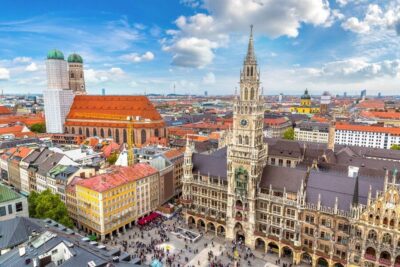
Price, time, and whether $29 is good value
At $29 per person for 2.5 hours, this is priced like a practical add-on rather than a premium museum experience. The value improves because it includes the guide, the tour, and transportation to the historic center of Munich. You do not have to arrange transit to reach the main walk area, which saves time and energy.
The one item not included is hotel pick-up, so you’ll want to be at the meeting point area on your own. If you’re staying near central Munich, that likely won’t matter much. If you’re far out, factor in getting yourself to the Radius Tours office.
What you should expect for the money is not fancy production. It is a history walk with real interpretive work. You’re paying for a guide’s ability to connect speeches, planning, and remembrance into one story you can track across the city.
In short: $29 makes sense if you want context you cannot get from a self-guided stroll. It’s especially fair if you’re a history fan or you like understanding why a place is the way it is.
Timing, walking pace, and how to prepare for the real conditions
This is a walking tour that lasts 2.5 hours, offered in English. Some people specifically mention early morning options, which can be a smart choice in Munich when crowds and crowds of other activities start building later in the day.
Weather can matter. One comment notes it can be rainy, and the guide still managed the day well. Walking history tours do not stop just because clouds show up, so dress for the day you’re given.
If you want to feel more comfortable, I’d plan on practical basics like a light layer you can remove, comfortable shoes, and a small plan for hydration. A couple of people mention wishing for water breaks, so it’s not a bad idea to bring something if you’re allowed to carry it and if your guide permits.
Also, because the content is difficult, you’ll do best if you pace your expectations. The tour is designed to make you feel the path from propaganda to violence, not to keep everything light for the first half-hour.
Who should book this walk, and who might think twice
This tour is a strong fit if:
- you want a clear explanation of how the Nazi movement rose in Munich
- you like learning from what you can see in the street, not only from indoors
- you want the story to end with remembrance for victims and opponents
You may want to think twice if:
- you are looking for casual sightseeing
- you know you struggle with content about anti-Semitism and mass violence
- you prefer minimal standing and quick stop-and-start tours
The people who rate this highly often mention how fast the time passes once the guide gets the group moving and narrating. That usually means the tour is engaging and structured, but it can still feel intense.
If you go, go with respect. Keep your mind on what the stops represent, not just on snapping photos.
Should you book the Munich Third Reich walking tour?
Book it if you want a guided way to connect Munich’s visible landmarks to the rise of Nazism, the planning behind Kristallnacht, and the memorials that keep the story from fading. The $29 price is reasonable, especially with the guide and transportation to the historic center included.
Skip or reconsider if your priority is lighter sightseeing, or if heavy topics will likely ruin the day for you. There is no shame in choosing a different type of tour. Munich has plenty of other ways to show you its layers.
If you do book, pick a time when you will not feel rushed, wear shoes for steady walking, and bring a question or two. A good guide like Jake, Sam, Dan, Nic, or Steve style delivery can turn a grim subject into clear understanding, and that is a real form of travel value.
FAQ
How long is the Munich Third Reich guided walking tour?
It lasts 2.5 hours.
What language is the tour in?
The tour is offered in English.
Where do I meet the guide?
Meet at the Radius Tours office.
Is hotel pick-up included?
No. Hotel pick-up is not included.
What is included in the price?
You get a guide, the tour, and transportation to the historic center of Munich.
What is the price per person?
The price is $29 per person.
What does the tour cover?
It focuses on Munich’s troubled history and the rise of the Third Reich, including sites tied to early Nazi speeches, a building connected to Goebbels and Kristallnacht planning, the official Nazi headquarters area, and monuments for victims and opponents of Nazism.
Is free cancellation available?
Yes. You can cancel up to 24 hours in advance for a full refund.
More Tours in Munich
More Tour Reviews in Munich
The Same Years, Other Routes

Newest Munich and Bavaria reviews
- Scenic Adventure Private Day Tour to The Konigssee Salzburg★ 4.5 · 3 reviews
- Jewish Museum & Jewish Quarter Guided Tour with Tickets★ 4.0 · 3 reviews
- Private Linderhof Castle, Entry-Ticket – optional Toboggan Run★ 5.0 · 3 reviews
- Private Transfer from Munich to Salzburg, English-speaking driver★ 3.5 · 3 reviews
- Private tour from Munich to Rothenburg and Harburg★ 5.0 · 3 reviews
- Arrival Transfer Munich Train Station to Munich by Luxury Van★ 5.0 · 3 reviews
Munich Third Reich and WWII History Tours, compared.
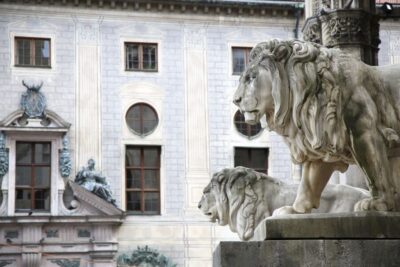 ★ 4.6Third Reich & WWII Walking TourFrom $316,181 reviews
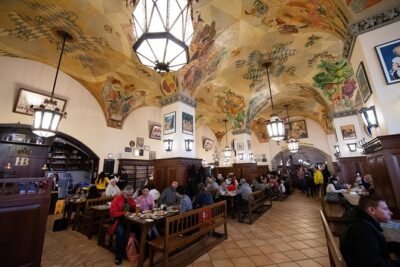 ★ 4.5Third Reich Walking Tour MunichFrom $454,291 reviews
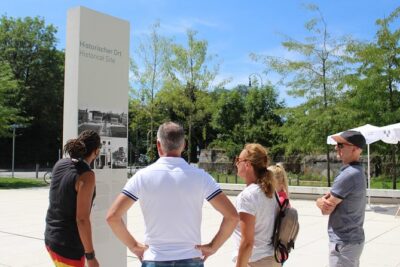 ★ 4.5Munich World War II Sites Including Dachau Concentration CampFrom $105570 reviews
 ★ 5.0Munich City Walking Tour, includes Third Reich & ViktualienmarktFrom $31458 reviews
 ★ 4.5Third Reich & WWII Walking TourFrom $35417 reviews
 ★ 4.9Munich 3-Hour Segway Tour: Nazi Munich & Royal ArchitectureFrom $91194 reviews
 ★ 5.0Dachau Concentration Camp Memorial Site And Third Reich Day Tour From MunichFrom $145185 reviews
 ★ 5.0Munich in the 3rd Reich and WW2 private walking tourFrom $423148 reviews