
REVIEW · MUNICH THIRD REICH AND WWII HISTORY TOURS
Munich: Private or Group Third Reich and WWII Walking Tour
Munich has a second, darker face. This 2-hour Third Reich and WWII walking tour takes you through key squares and old-town streets tied to the rise of National Socialism, with a focus on original locations and what happened there. I especially like how the guide uses documents and pictures to make each stop feel real, not just like a lesson from a book.
The main consideration is emotional weight. You’ll hear about anti-Semitic pogroms, the destruction of synagogues, public book burnings, and violence tied to the Nazi movement, so it’s not a light stroll. If you’re sensitive to WWII-era atrocities, plan for that ahead of time and bring the right mindset.
Key things to know before you go on this Munich Nazi history walk
- Start at Marienplatz near the Mariensäule, then work through central Munich sites connected to the Nazi rise.
- Certified guide, with documents and photos used on the spot to explain what you’re seeing.
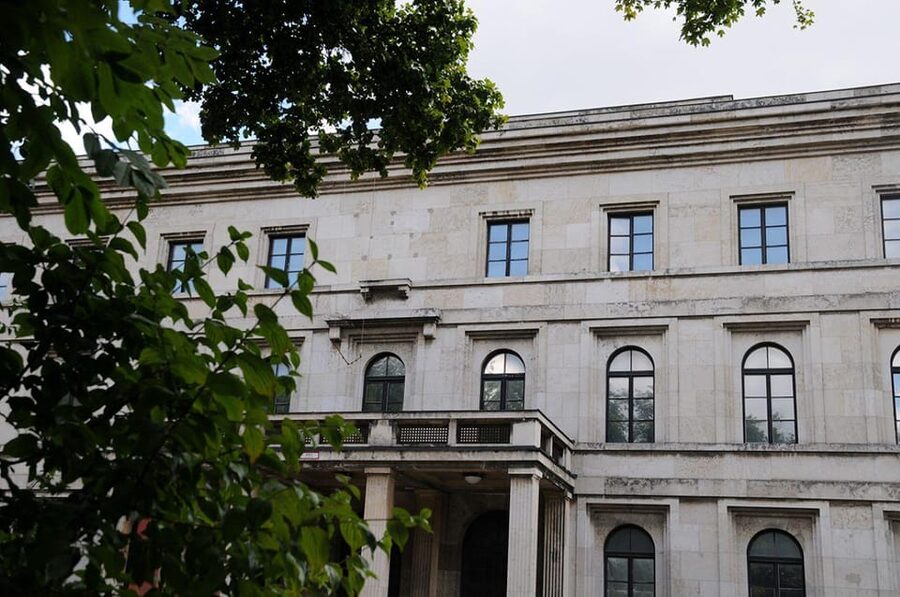
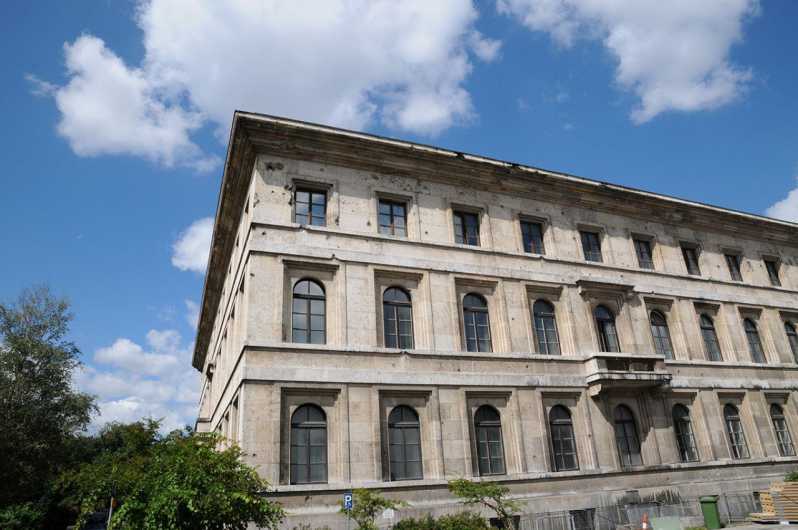
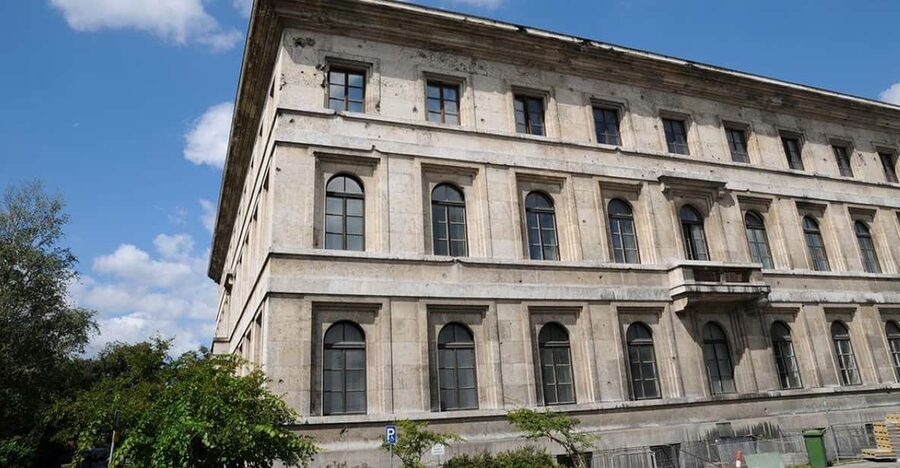
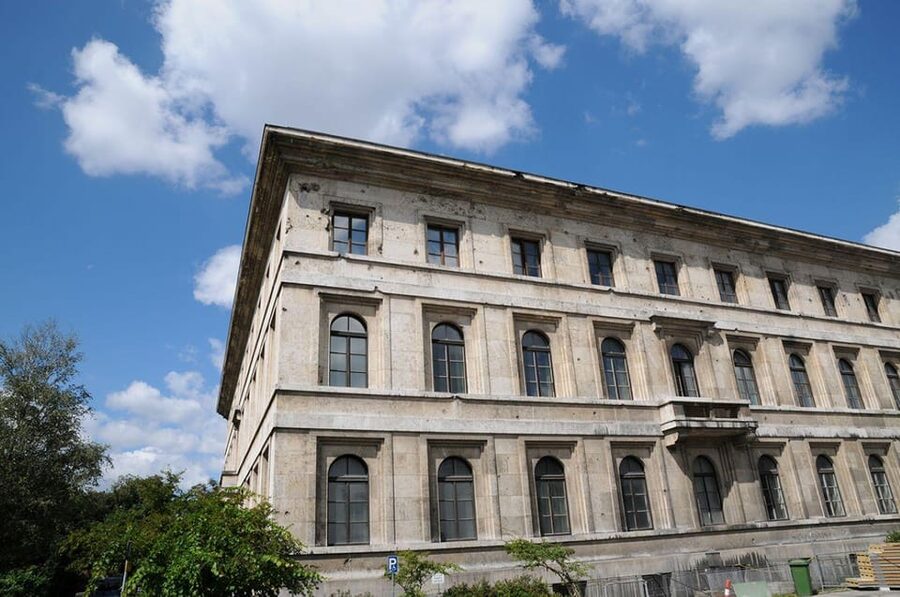
- Marked by contrasts, since some Nazi-era grand buildings survived the bombing alongside later memorials.
- Major story arc, from the NSDAP’s local origins to the failure of the beer hall coup and the road to WWII.
- Private group option (so you can go with your people), plus a 2-hour format that stays manageable.
Why Munich became the start button for the Nazi era
Munich is often sold as pretty, smooth, and postcard friendly. This tour reminds you that the city also played a serious role in how Nazism organized itself and sold its message.
Here, the NSDAP formed, Hitler’s early coup attempt failed, and in 1935 Munich was labeled the Capital of the Movement. Allied Supreme Commander Dwight D. Eisenhower later called Munich the cradle of the Nazi beast, and that phrase fits what you’ll learn on this walk: how political theater, street power, and propaganda were built into everyday life.
What I like is that the tour doesn’t treat the Nazis as a distant myth. It connects ideology to streets, buildings, and public moments, so you can understand how a movement got momentum before it ever controlled everything.
Other walks through the same years
- Munich: Third Reich & WWII Walking Tour
★ 4.6 · 6,181 reviews - Third Reich Walking Tour Munich
★ 4.5 · 4,291 reviews - Munich: Birthplace of the Third Reich Guided Walking Tour
★ 4.6 · 771 reviews - Munich World War II Sites Including Dachau Concentration Camp
★ 4.5 · 570 reviews
The meeting point: Mariensäule on Marienplatz and a quick way to find your guide
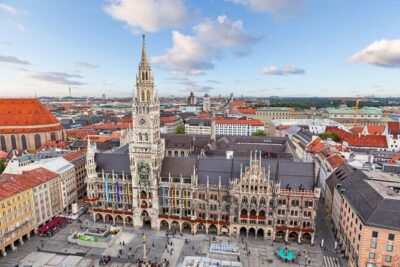
You meet at Mariensäule in the center of Marienplatz. The instructions are very specific: look for a golden statue on a tall red marble column.
Your guide will carry a blue bag with the name Weis(s)er Stadtvogel on it. That small detail matters because Marienplatz can get crowded, and you want to start on time.
This is a walking tour, and the pace matters. Showing up a few minutes early helps you get oriented and settle in before the history starts.
Marienplatz to Königsplatz: the walk that ties ideology to public space
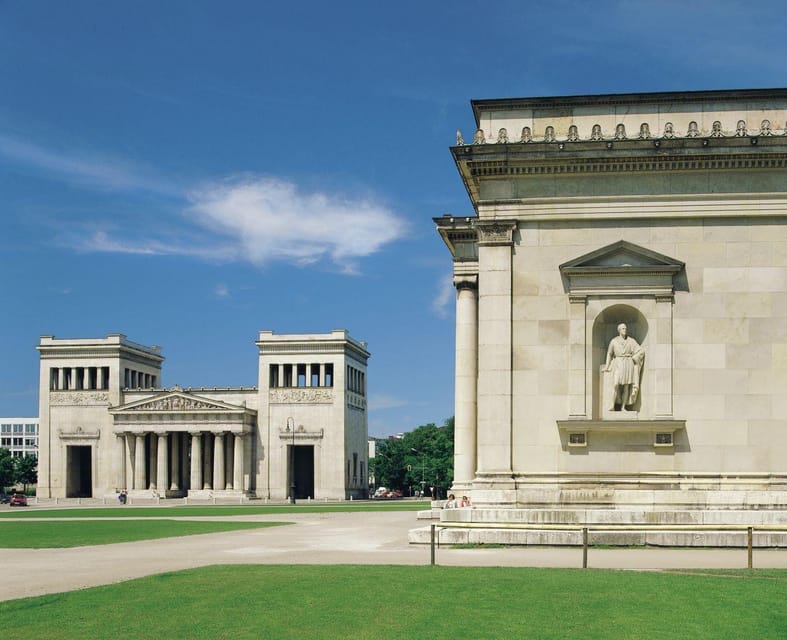
The route runs through central Munich, including the stretch from Marienplatz to Königsplatz. That’s a big clue about how the tour works: it uses squares and street-facing locations, not hidden museums.
You’ll hear how the Nazi movement staged itself in public. The story starts in the post-World War I environment, when political extremism found an audience, and it follows how Munich became a stage for speeches and demonstrations.
As you move, the guide helps you read the city like a map of intent. You’re not just looking at pretty facades. You’re looking for evidence of power, messaging, and intimidation, then pairing that with what documents and photos show about how it looked during the Third Reich.
Original buildings and “still there” evidence, even after the bombings
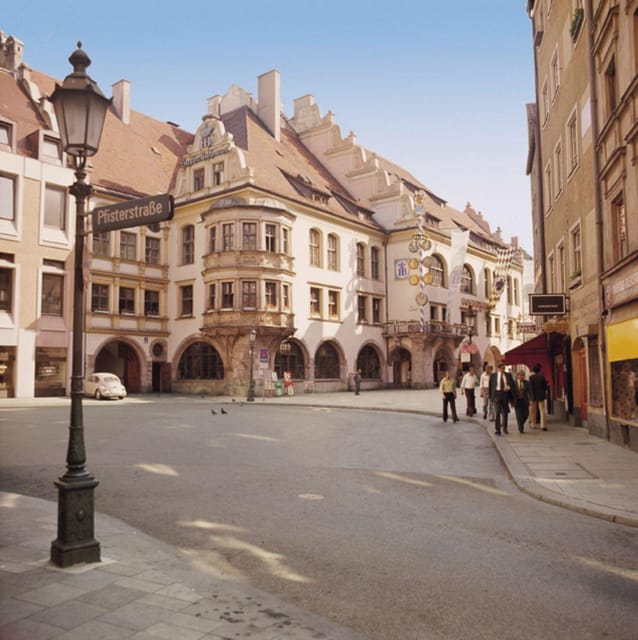
One of the most striking parts of Munich is the contrast. Central areas were heavily damaged by Allied bombing, yet many monumental structures tied to Hitler’s plans survived and still stand today.
That mix changes how you experience the sites. In some cities, the Nazi-era traces feel like museum exhibits behind glass. Here, you’re walking past buildings that kept their physical presence, which forces the past to feel closer.
You’ll also hear about war scars in the Old Town areas around Marienplatz. Even when you can’t see every layer from street level, the guide explains what you’re meant to notice, including the relationship between what the Nazis built and what later violence left behind.
This is one of the reasons the certified guide matters. Someone has to help you decode what you’re seeing, otherwise it turns into a vague history walk. With documents and pictures at each key stop, the tour gives you that missing context.
Beer halls, early speeches, and the moment the coup failed
Munich’s beer halls show up in the story for a reason. This is where Hitler became known as a beer hall orator, and where his small group of followers treated him as the Führer.
On this tour, you visit sites connected to those early speeches and the public energy around them. The guide’s documents and photos help connect the location to the propaganda style, the crowd dynamics, and the anti-democratic push that was taking root.
Then the story turns to the Beer Hall Putsch, Hitler’s initial failed coup. Even without going into a textbook timeline, you’ll understand why the failure didn’t end the movement. In many cases, it actually helped extremists refine their message and keep momentum.
If you want a practical takeaway, it’s this: failed events can still change history. This tour shows you how Munich’s early power plays set up the later takeover.
The Brownshirts and the local machinery of intimidation
The tour also covers how the Nazi movement spread terror through organized intimidation. You’ll hear about the Brownshirts and the role of violence and public pressure.
This portion matters because it shifts the story from leaders to systems. You get the sense that the Nazis didn’t rely only on speeches and posters. They relied on people who enforced fear in real life, in real places.
The guide keeps tying events back to street-level locations. That’s what makes the walk different from reading about the Nazis in isolation. You’re learning how public space helped enforce ideology.
As you listen, you might find yourself thinking about how propaganda works. The point isn’t to shock you for the sake of shock. The point is to show how persuasion and coercion can combine, and how ordinary routines can get pulled into a nightmare.
More of the Altstadt on foot
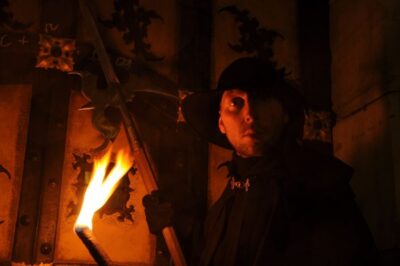
Former Nazi Headquarters and the link between local power and global war
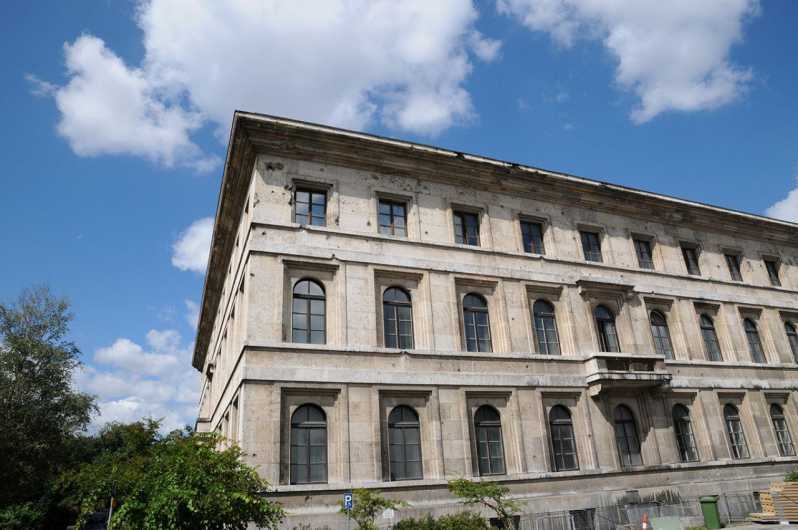
You’ll visit the former Nazi Headquarters, described as the place where Hitler once wielded power over the world. That stop helps you shift gears.
Earlier, the focus is on origins, recruitment, and public theater. At the headquarters site, the tour connects Munich’s role as the Capital of the Movement to what came next: control expanding outward until it reached full-scale war.
Walking past sites like this changes the way you picture WWII. Instead of thinking of the war only as battles and fronts, you also see how decision-making grew from organizations that could operate from a city center.
If you’re a history-minded traveler, you’ll appreciate how the guide keeps your attention on the human process behind political power. It’s not just what happened, it’s how it was organized and carried.
Monuments and memorials: learning how Munich remembers
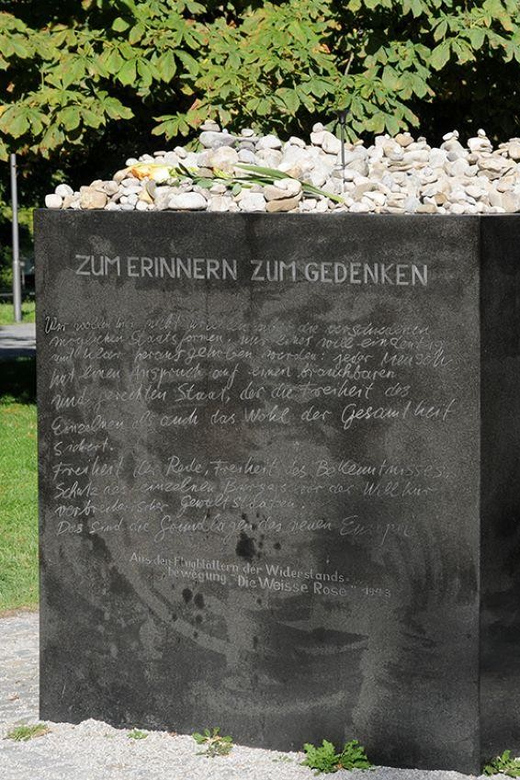
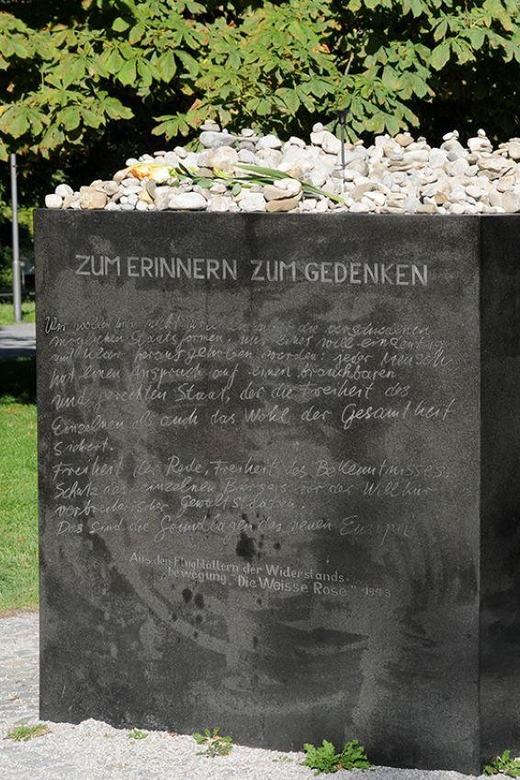
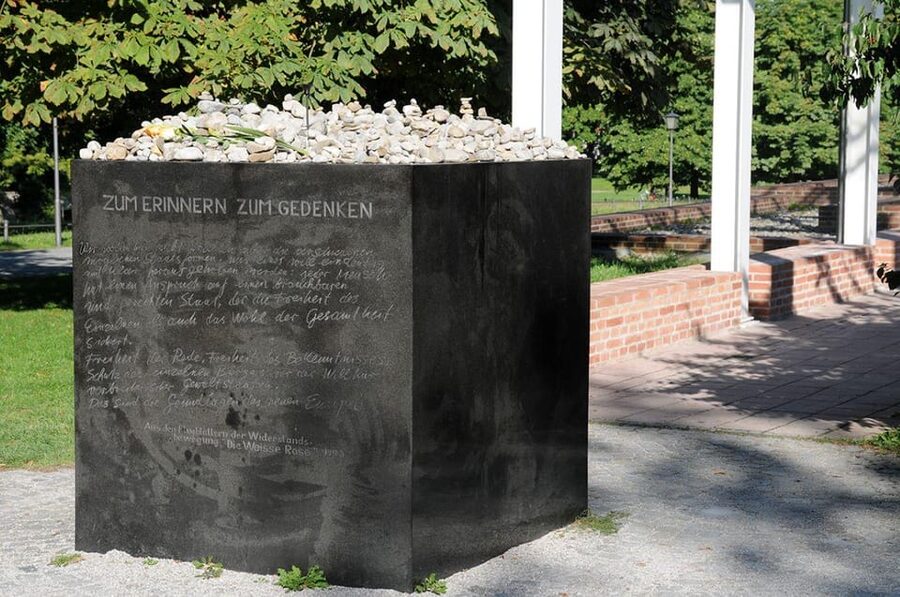
Munich today includes grand structures built to celebrate the Third Reich. But it also includes memorials honoring victims of Nazism and people who opposed Hitler’s ideology.
That combination can feel uncomfortable, but it’s important. The guide helps you hold both realities at once: what was built to impress, and what was later created to mourn and warn.
This is where the tour can deepen your understanding beyond dates. You start to see how memory is managed in physical form. Monuments can glorify, memorials can insist on truth, and the city can do both in the same breath.
I like that the tour doesn’t pretend the contrast is easy. It teaches you to look carefully and accept that reconciliation and education take space, time, and effort.
Guide style in real life: Karl and Ina as examples
The experience depends heavily on the guide’s delivery. Some guides read a script. Others make the city feel like a story unfolding right in front of you.
In this case, names like Karl and Ina come up in the guide stories you’ll want to look for. Karl is described as incredibly knowledgeable and welcoming, with energy that makes the tour interactive even when the topic is heavy. Ina is noted for being kind, patient, and personally engaged, including answering questions in a way that makes the tour feel tailored rather than one-size-fits-all.
That kind of approach matters on this topic. WWII history is easy to turn into facts on a page. A good guide connects facts to places, then gives you space to ask what you’re trying to understand.
Value and price: what you’re paying for at $259 per group up to 25
The price is listed as $259 per group, up to 25 people, for a 2-hour walk. That pricing structure can be a good value if you’re traveling with a small group, because the cost stays tied to the group rather than charging separately for each person.
If you’re going solo, you should expect to pay more per person than a larger shared group setup would charge. But solo travelers can still benefit if you care about the guide using documents and pictures at the stops. For this kind of topic, a live certified guide can be worth the premium versus self-guided reading.
Also consider the format. Two hours is long enough to connect multiple stops, but short enough to keep you from burning out on dark subject matter.
No transportation is included, so you’ll want to plan how you’ll reach Marienplatz on your own.
Practical tips: shoes, drinks, and what the tour does not allow
This is a walking tour, so bring comfortable shoes. You’ll be moving through central streets and squares, and you’ll want your feet to feel fine when the story gets intense.
Bring drinks too. The tour is only 2 hours, but you’ll still benefit from having water on hand, especially on warm or gray days.
Video recording is not allowed. That’s worth noting if you planned to document everything on your phone. You can still take notes, and you can take in the sites yourself, but don’t plan on filming during the walk.
Who this tour suits best in Munich
This tour fits travelers who want context and place-based understanding. If you’re the type who reads street names and wants to know why a square matters, you’ll likely enjoy the structure from Marienplatz to Königsplatz and the emphasis on original sites.
It also suits people who want a guided interpretation rather than a do-it-yourself route. The guide’s use of documents and pictures is the difference between seeing buildings and understanding them.
There is one limit to keep in mind: children under 10 years old are not suitable. That doesn’t mean families can never go, but it does signal that the subject matter and tone require maturity.
Wheelchair accessibility is listed, so you can plan around that based on your mobility needs.
Should you book this Munich Third Reich and WWII walking tour?
Book it if you want an on-foot, city-center way to understand Munich’s role in the Nazi rise, from early organizing and failed coup attempts to the machinery behind power during WWII. The fact that it uses a certified guide, plus documents and photos at the stops, makes it feel like real interpretation rather than a generic walking loop.
Skip it, or at least think twice, if you prefer light topics or if you know you struggle with discussions of mass violence and persecution. This tour tackles antisemitic terror, synagogue destruction, and book burnings, and it’s designed to confront that history directly.
If you’re deciding between private versus group, a private group can be a good choice when you want your questions answered in your own pace. Either way, arrive at Marienplatz early, wear good shoes, and be ready to see Munich as both a beautiful city and a historical warning sign.
FAQ
How long is the Munich Third Reich and WWII walking tour?
The tour lasts 2 hours.
Where do I meet the guide?
Meet at Mariensäule in the center of Marienplatz. Look for the golden statue on a tall red marble column, and find the guide with a blue bag that has Weis(s)er Stadtvogel written on it.
Is this tour private or group?
It offers both, including a private group option.
What languages are the live guides?
The tour is available in German and English.
Is the tour wheelchair accessible?
Yes, wheelchair accessibility is listed.
Are video recordings allowed during the tour?
No, video recording is not allowed.
What should I bring and what’s not suitable for kids?
Bring comfortable shoes and drinks. Children under 10 years old are not suitable for this tour.
More Tours in Munich

More Tour Reviews in Munich
The Same Years, Other Routes

Newest Munich and Bavaria reviews
- Scenic Adventure Private Day Tour to The Konigssee Salzburg★ 4.5 · 3 reviews
- Jewish Museum & Jewish Quarter Guided Tour with Tickets★ 4.0 · 3 reviews
- Private Linderhof Castle, Entry-Ticket – optional Toboggan Run★ 5.0 · 3 reviews
- Private Transfer from Munich to Salzburg, English-speaking driver★ 3.5 · 3 reviews
- Private tour from Munich to Rothenburg and Harburg★ 5.0 · 3 reviews
- Arrival Transfer Munich Train Station to Munich by Luxury Van★ 5.0 · 3 reviews
Munich Third Reich and WWII History Tours, compared.
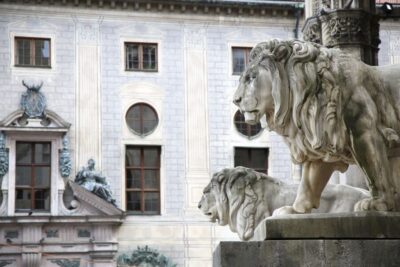 ★ 4.6Third Reich & WWII Walking TourFrom $316,181 reviews
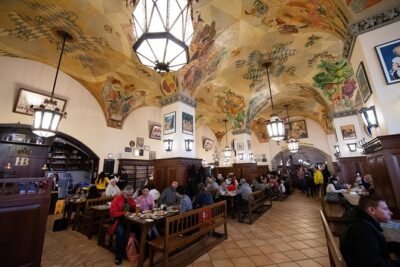 ★ 4.5Third Reich Walking Tour MunichFrom $454,291 reviews
 ★ 4.6Birthplace of the Third Reich Guided Walking TourFrom $29771 reviews
 ★ 4.5Munich World War II Sites Including Dachau Concentration CampFrom $105570 reviews
 ★ 5.0Munich City Walking Tour, includes Third Reich & ViktualienmarktFrom $31458 reviews
 ★ 4.5Third Reich & WWII Walking TourFrom $35417 reviews
 ★ 4.9Munich 3-Hour Segway Tour: Nazi Munich & Royal ArchitectureFrom $91194 reviews
 ★ 5.0Dachau Concentration Camp Memorial Site And Third Reich Day Tour From MunichFrom $145185 reviews