
REVIEW · MUNICH THIRD REICH AND WWII HISTORY TOURS
Munich Third Reich and WWII Segway Tour
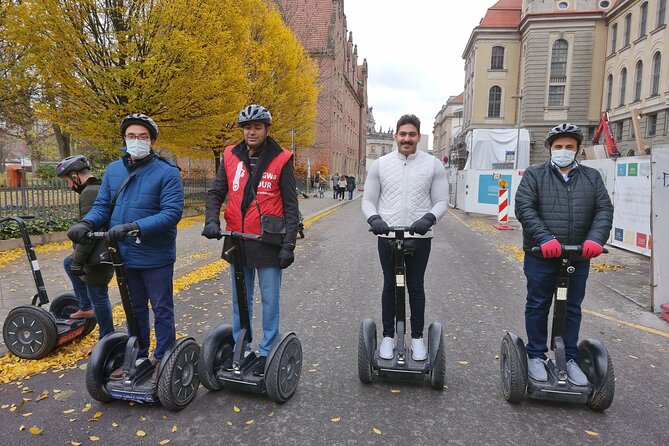
History glides on two wheels. This Munich Segway tour turns the Third Reich and WWII timeline into something you can actually see as you roll past key landmarks like Königsplatz and the Führerbau, with a guide who explains how Munich fit into Nazi power. I like the Segway route that gets you places cars do not. I like the site-by-site storytelling that ties together moments such as the Beer Hall Putsch and Hitler-linked locations, including apartments from 1920 to 1929 and 1933. One drawback to plan for: it can be cold out on the Segway, so you will want proper layers.
You’ll have time to get comfortable and ask questions, and the guide experience seems to vary in a good way for first-timers, with names like Josef, Karl, Rawen, and Claudia showing up for friendly, patient guidance. Expect a small group with a maximum of 20 people, and the tour ends where it starts. For families and couples who want to cover more than a walking route in one afternoon window, it’s a strong fit.
This is also a reminder that history can be heavy. The tour focuses on Nazi Germany and the people who fought it, so keep that tone in mind when you decide who in your group will handle the subject matter.
Quick hits that matter
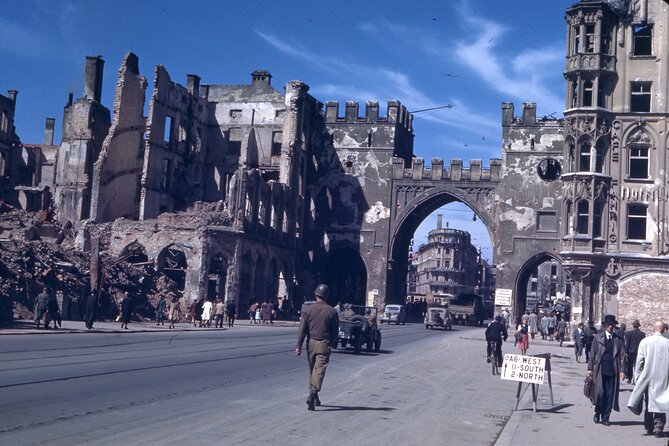
- Segways make the route practical, letting you see more of central Munich without walking the whole time
- WWII themes are built around real places, including Führerbau and locations tied to Hitler and the White Rose
- Guides can slow down for comfort, especially if you’re nervous or bringing teens along
- It can be chilly outdoors, so bring layers and something warm for your hands
- Some days are busier than others, so show up with a flexible mindset and time for photos
Why this Segway tour works in Munich
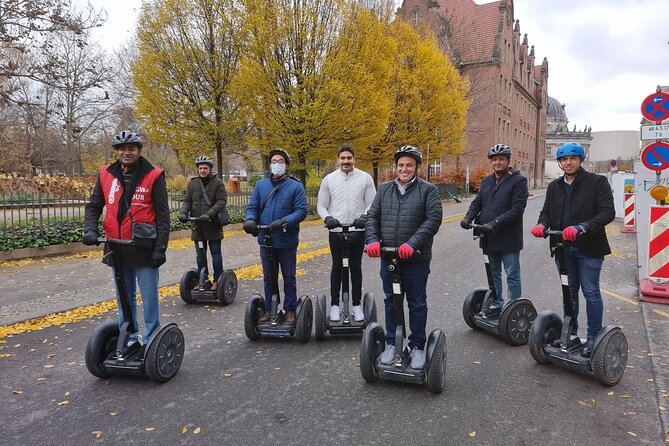
Munich is a city where it’s easy to waste time on foot. You walk, you stop, you reroute, and you end up doing math on your feet by hour two. This tour fixes that with a simple idea: let a Segway do the boring work of getting you from one important spot to the next.
What makes it click for me is the balance between movement and meaning. You’re not just riding around and guessing what you’re looking at. You get a guide-led thread that runs through the story of how Hitler tried to reshape Munich into a political center, why the Beer Hall Putsch didn’t succeed, and how conflict with the Nazi regime showed up in Munich. Even if you’re not a “history person,” the route is structured so you can keep the plot straight.
The setting also matters. The tour is designed around places you can’t reach as easily by car, which is exactly where a Segway shines. If you like city sightseeing that feels efficient without feeling like a train ride, this style makes sense.
Other walks through the same years
- Munich: Third Reich & WWII Walking Tour
★ 4.6 · 6,181 reviews - Third Reich Walking Tour Munich
★ 4.5 · 4,291 reviews - Munich: Birthplace of the Third Reich Guided Walking Tour
★ 4.6 · 771 reviews - Munich World War II Sites Including Dachau Concentration Camp
★ 4.5 · 570 reviews
Price and value for 3 hours on a Segway
At $82.82 per person for about 3 hours, you’re paying for three things: the Segway experience, a live guide, and a focused route that’s meant to be more than a quick highlight loop. You are also getting a mobile ticket and an English-speaking guide, which helps if you’d rather not fight with paper vouchers.
Is it cheap? No. But it can feel fair if you factor in that you’re covering a wide chunk of central sights in one go, and the guide is shaping what you see into a coherent WWII narrative. For many couples and families, the real value is time saved. Instead of crisscrossing with buses and long walks, you get a guided route that is built for motion.
The ride basics: safety, comfort, and learning fast
This is not a “stand here, then sprint” kind of tour. Most travelers can participate, and the ride is set up so you have time to get used to the Segway and build confidence before you’re fully in motion. That matters a lot if you’re bringing a nervous rider or someone who has never balanced on one before.
From the people who have done the tour, a common positive theme is patience. Guides like Josef and Karl, for example, are described as taking their time, helping first-timers feel steady, and making room for questions. Rawen and Claudia are also mentioned for being friendly, informative, and willing to slow down for comfort and for photos.
Still, be realistic about the conditions. Outdoors in Munich can mean wind, cold, and uneven comfort if you’re wearing the wrong layer setup. And even on a well-run experience, one failed Segway or a crowd-heavy moment can happen. If you’re risk-averse, wear proper shoes, keep a stable stance, and take the guide’s practice moment seriously.
Getting to Artur-Kutscher-Platz and starting at 10:00am
The tour starts at Artur-Kutscher-Platz 2A, 80802 München, Germany, with a 10:00am start time. It’s noted as near public transportation, which helps you plan your morning without panicking about parking.
The tour also ends back at the meeting point. That sounds small, but it’s a practical win. You do not have to negotiate your way home with tired legs and a loose plan.
Group size stays capped at 20 travelers, which keeps the ride more controllable than mega-group sightseeing. That also makes photo stops easier, since you’re not dealing with a constant stampede behind you.
Your WWII route: what each stop adds to the story
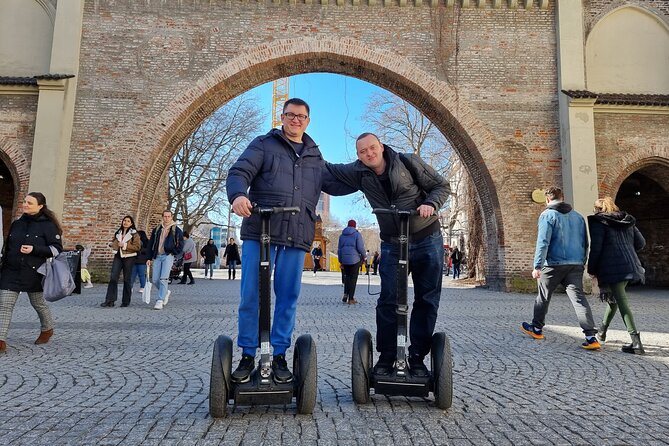
This tour builds the Nazi Germany storyline by pairing the “what happened” with “where you see it.” The stops run through locations tied to Nazi power, the political machinery around Hitler, and the people who pushed back. Here’s how the sequence fits together and what each named stop is likely doing for your understanding.
Alte Synagoge, then Königsplatz
You start with Munich in the early 1900s, looking at how a young Austrian arrival in Bavaria connects to the later political rise. The route then moves you past Alte Synagoge and toward Königsplatz.
Even without getting stuck in museum mode, these first stops help set context. They give you the sense of Munich as a real stage, not a backdrop. You’re seeing an urban fabric where political change could take root.
Other Munich bookings for the same trip
Führerbau and Braunes Haus: the power show
Next comes the kind of stop that makes this tour stand out: Führerbau, followed by Braunes Haus. The tour is explicitly aimed at showing places that played a part in Nazi Germany, and the Führerbau is called out as an example.
This is where the guide’s job really matters. You want someone who can take the names you see on the buildings and connect them to the political movement’s momentum, not just read facts like a brochure. The best guides on this route are the ones who can slow down, answer questions, and help you understand why these places symbolized power.
Schelling-Salon: the movement’s social gravity
Schelling-Salon fits the “how power worked” angle. It’s another waypoint in the city’s Third Reich orbit. The value here is that you’re not treating the era as one dramatic event. Instead, you’re seeing how political energy was present across multiple spaces.
This section also tends to be good for learning if you like a narrative. You can sense the guide linking moments, even when the landscape is just streets and façades.
White Rose, then Haus der Kunst: resistance in the same city
The route includes White Rose, which connects to the part of the story about people who fought the Nazi regime. If your focus is “what was the opposition,” this is the stop that helps you shift from power and propaganda into resistance.
After that, you pass Haus der Kunst. Even if you are not looking at it like a museum, it helps to have it mentioned in the flow of events. You’re being guided to see how cultural and public life could be entangled with the regime.
Angel of Peace: symbols and meaning
Next is Angel of Peace. This stop can shift the mood from the mechanics of power into how people expressed ideas through monuments and public messaging. It’s a reminder that political eras leave meaning behind in stone, not just in speeches.
If your guide handles the story well, this is one of those “oh, that’s why that matters” moments, where the location becomes a shorthand for larger themes.
Hitler’s apartment in 1933, then Hofbraukeller
You then reach Hitler’s apartment 1933 and later Hofbraukeller. The tour’s promise includes showing Hitler-linked places, and the inclusion of these addresses helps you connect leadership with the physical city.
The Hofbraukeller stop is where you can expect a return to the theme of political life and public gatherings. The tour format makes it easier to absorb, because the guide is walking you through the narrative instead of asking you to connect it alone.
Maximilianeum and Maximilianeum Strasse
You continue through Maximilianeum, and later you also pass Maximilianeum Strasse. These stops keep the focus on how governance and politics leave marks in ordinary street patterns and prominent buildings.
This is also where couples often enjoy the ride. It’s not only grim history, it’s city geography. You get to see Munich’s layout and how the city’s key points connect.
Hitler’s apartment 1920 to 1929
A notable part of the story is the shift back in time to Hitler’s apartment 1920-29. The tour narrative is designed to show the rise and growth of power over time, and stepping back like this can help you understand that Nazi influence did not start overnight.
If you’re learning about the period from scratch, this time jump is the kind of structure that makes it stick.
Hofbräuhaus and Residenz München: Munich in full view
Then you pass Hofbräuhaus and Residenz München. In a tour built for motion, these stops also help break up the emotional weight. You’re seeing the “real Munich” alongside the Nazi story thread.
This part is also useful if you like mixing perspectives. You’re not only watching history unfold, you’re seeing what Munich looked and felt like around it.
Odeonsplatz: where the tour lands
The last named stop is Odeonsplatz. It acts like a closing frame. You’re finishing the route in a central place that feels connected to the themes discussed throughout the ride.
By the end, you should feel like you can name at least the major landmarks and explain why they appeared in the tour. That’s the best outcome for a subject that can otherwise blur together.
Who this tour suits best (and who might think twice)
This tour is a good match if you want a guided route that’s family-friendly in energy but still serious in subject matter. It’s also described as great for couples who want to see more in less time, which makes sense for a 3-hour Segway format.
It’s also a strong choice if you like practical history learning. You’re not stuck inside for the entire time. You’re on the move, and you can ask your guide questions while you’re actually looking at the places.
Who should think twice? If you cannot handle cold weather rides, plan to dress better than you think you need. If you hate crowds, recognize that downtown Munich can get busy. And if someone in your group is sensitive to WWII-related topics, consider how you want to manage the conversation during the ride.
The biggest practical pros and the realistic concerns
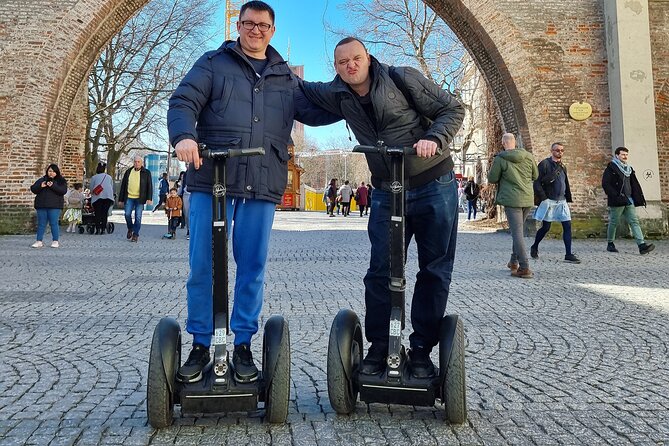
The most praised parts from past riders tend to fall into four buckets.
First, the easy-to-learn Segway experience, especially the way guides help first-timers feel safe. Second, the friendly, helpful guides with time for questions and photos. Third, the feeling that you cover more than a walking tour without making it exhausting. Fourth, the idea that the tour turns WWII into something you remember because it is tied to street corners and buildings.
Now the concerns to keep real. The most common issues are organizational hiccups when a guide is missing, and crowding that can make the route feel tighter than you expected. There’s also at least one mention of a Segway malfunction and a rider falling backward, which is the kind of reminder to take your comfort seriously and stay steady when conditions feel crowded.
Bottom line: this tour looks smooth in normal operation, but you should still come with the mindset that outdoors and technology can mean occasional surprises.
Gear and comfort tips so you enjoy the full 3 hours
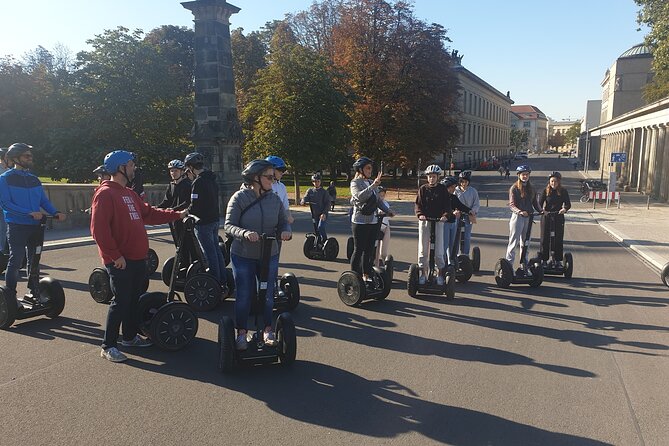
You’ll be outside, moving. Do not dress like you’re only walking for 20 minutes. Riders mention it getting very cold, so I’d plan for wind chill and hands that freeze quickly.
Practical checklist:
- Warm layers you can move in
- Gloves or anything that protects your hands
- Closed-toe shoes with a stable grip
- A small buffer for photos, since stops are meant for picture moments
If you’re bringing kids or teens, the Segway aspect is often the fun part. Still, set expectations that you’re also there to hear WWII stories. The best family experiences happen when everyone is ready for the topic, even if they approach it differently.
Booking timing and how to plan around it
This tour is commonly booked about 36 days in advance on average, which usually signals steady interest for a limited-capacity experience. If you have a specific day you want, booking earlier can help you lock in a time.
Also plan for the reality of a short time window. This is about 3 hours. You’ll see a lot, but you won’t have a slow, museum-length experience at each stop. If you want extra detail later, treat this as the map and the story thread, then add museum time afterward if you feel like it.
Should you book the Munich Third Reich and WWII Segway Tour?
Book it if you want a fast, fun way to see central Munich while learning Nazi Germany history through a guided route with named locations, including Führerbau and Hitler-linked addresses. It’s especially worth it if you’re traveling with someone who hates long walking days, or if you want something that feels like city sightseeing plus context, not two separate activities.
Skip or adjust your expectations if cold weather and crowds stress you out, or if your group is not ready for WWII subject matter. Also, if you are very cautious about balancing tech, take the practice seriously and be upfront with your guide about comfort.
If you do book, I’d go in with one goal: connect the names you hear to the places you see. Do that, and you’ll finish the ride feeling like Munich makes sense in the WWII storyline, not just as a list of stops.
FAQ
How long is the Munich Third Reich and WWII Segway Tour?
It runs for about 3 hours.
What time does the tour start?
The start time listed is 10:00am.
Where does the tour meet?
The meeting point is Artur-Kutscher-Platz 2A, 80802 München, Germany.
How many people are in a group?
The maximum group size is 20 travelers.
Is the tour offered in English?
Yes, the tour is offered in English.
Do I need to bring a physical ticket?
No, you’ll receive a mobile ticket.
Is the tour suitable for first-time Segway riders?
Most travelers can participate, and the ride is designed so people can get used to the Segway. It’s also noted that it is easy to learn in past experiences.
Is there free cancellation?
Yes. Free cancellation is available up to 24 hours in advance for a full refund.
More Tours in Munich


More Tour Reviews in Munich
The Same Years, Other Routes




Newest Munich and Bavaria reviews
- Scenic Adventure Private Day Tour to The Konigssee Salzburg★ 4.5 · 3 reviews
- Jewish Museum & Jewish Quarter Guided Tour with Tickets★ 4.0 · 3 reviews
- Private Linderhof Castle, Entry-Ticket – optional Toboggan Run★ 5.0 · 3 reviews
- Private Transfer from Munich to Salzburg, English-speaking driver★ 3.5 · 3 reviews
- Private tour from Munich to Rothenburg and Harburg★ 5.0 · 3 reviews
- Arrival Transfer Munich Train Station to Munich by Luxury Van★ 5.0 · 3 reviews
Munich Third Reich and WWII History Tours, compared.
 ★ 4.6Third Reich & WWII Walking TourFrom $316,181 reviews
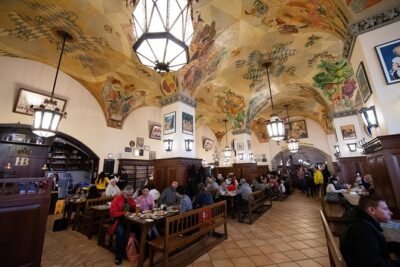 ★ 4.5Third Reich Walking Tour MunichFrom $454,291 reviews
 ★ 4.6Birthplace of the Third Reich Guided Walking TourFrom $29771 reviews
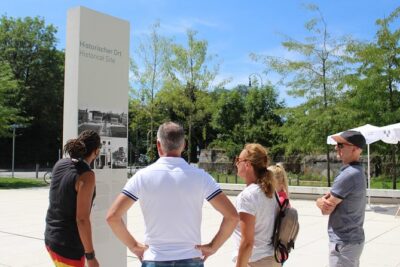 ★ 4.5Munich World War II Sites Including Dachau Concentration CampFrom $105570 reviews
 ★ 5.0Munich City Walking Tour, includes Third Reich & ViktualienmarktFrom $31458 reviews
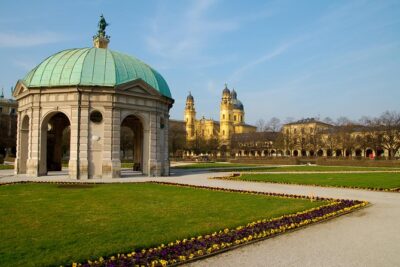 ★ 4.5Third Reich & WWII Walking TourFrom $35417 reviews
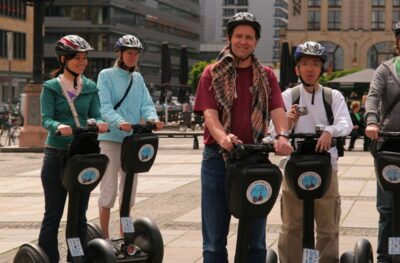 ★ 4.9Munich 3-Hour Segway Tour: Nazi Munich & Royal ArchitectureFrom $91194 reviews
 ★ 5.0Dachau Concentration Camp Memorial Site And Third Reich Day Tour From MunichFrom $145185 reviews