
REVIEW · MUNICH THIRD REICH AND WWII HISTORY TOURS
National Socialism WWII with licensed guide – private tour
Munich has shadows, and this tour points them out. I like how it links street locations to real events, especially at Feldherrnhalle and the NS Documentation Centre. I also love that the guide uses extensive photo material, so the story sticks beyond what you can read on a plaque. One possible drawback: this is heavy subject matter, so if you want a light, casual sightseeing mood, it may feel emotionally intense.
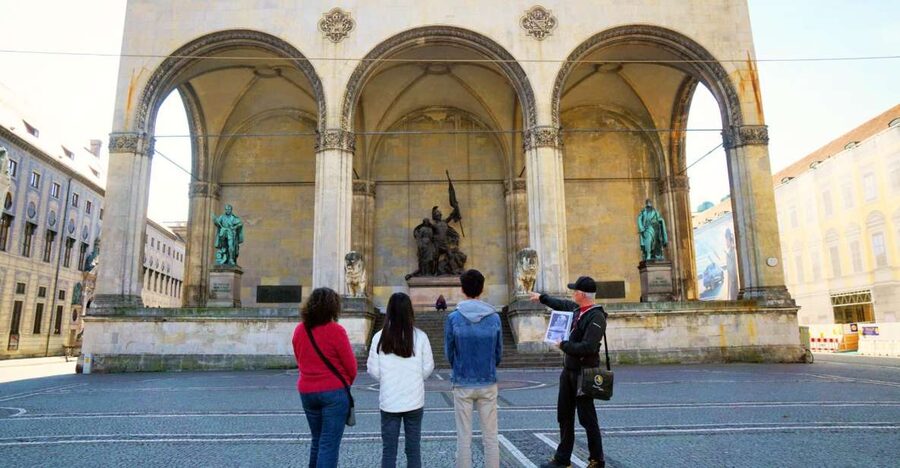
This is a private group walking tour in Bavaria that runs about 2 hours, led by a professional, certified guide with more than 10 years of experience. You can go in English or German, and it is wheelchair accessible. The route starts around the steps at Feldherrnhalle at Odeonsplatz and ends at Königsplatz 1.
What makes it work is how it moves, step by step, from how National Socialism started to how it organized power, culture, and public life in Munich. The tour also pays attention to resistance, including the White Rose, not just the propaganda sites. You’ll see key buildings and monuments, plus the administrative heart of the movement at Königsplatz, where the guiding story lands at the party center.
Key things to know before you walk
- Feldherrnhalle and the “Hitler coup” era: you’ll trace where the 1923 putsch ended, and what commemorations followed.
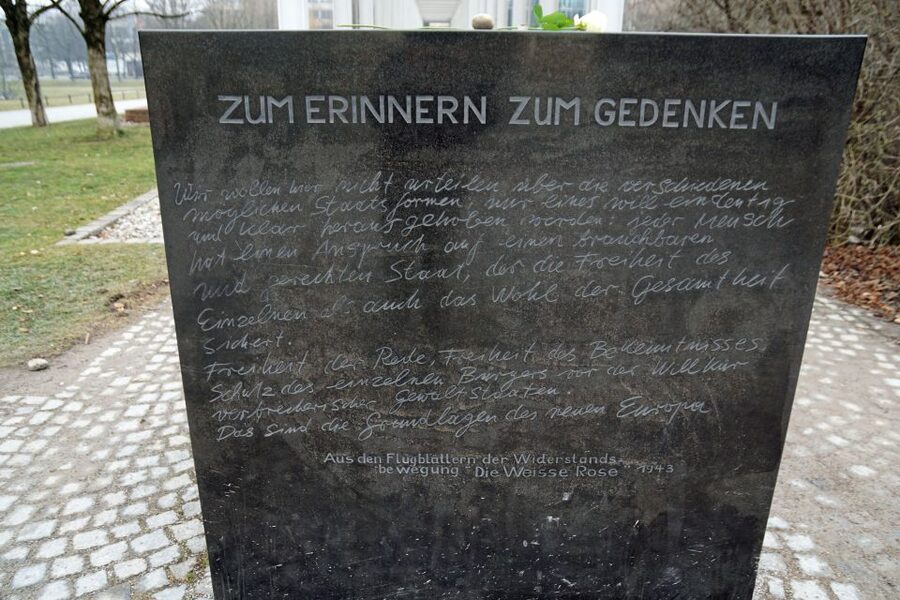
- Resistance isn’t an afterthought: the route includes monuments to resistance fighters and the White Rose story.
- Art and propaganda get real context: you’ll visit places tied to Nazi influence on art, including where Degenerate Art was exhibited.
- You get photo material for clarity: the guide uses extensive historical photos to make the material easier to follow.
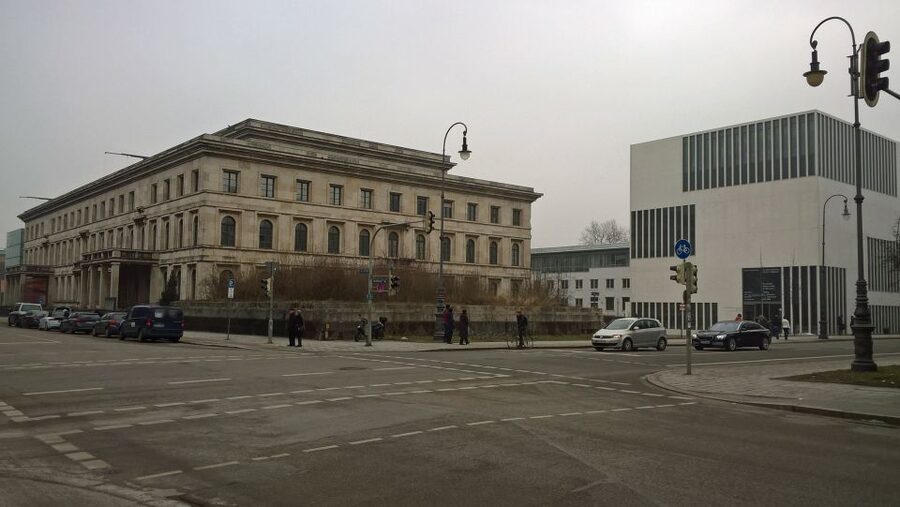
- Königsplatz finishes the puzzle: you end at the power center, with the Brown House area and the NS Documentation Centre.
Munich’s Nazi story told by exact streets, not vague talking points
National Socialism in Germany is taught as a big, ugly system. In Munich, it becomes specific. This tour helps you connect that scale to the actual locations where events unfolded, where leaders operated, and where propaganda was displayed.
I especially like the way the guide sets groundwork before you hit the iconic stones. You start with why Adolf Hitler came to Munich, where he lived, and how he made a living. From there, you learn how the NSDAP started and how it grew into something more than a fringe movement. That matters because it turns the later buildings from scary scenery into understandable machinery.
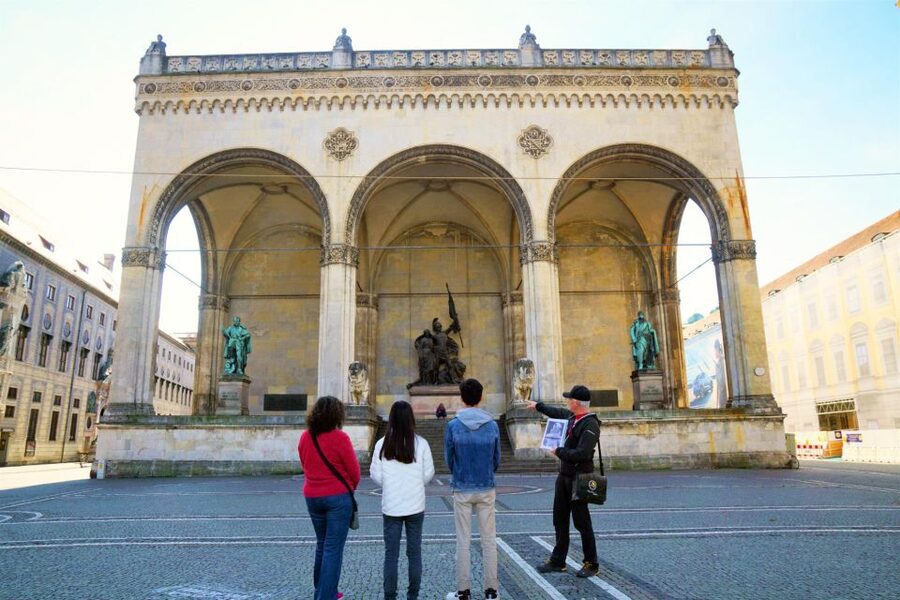
You’ll also hear how the “Hitler coup” played out in Munich, where it ended, and what memorials were created afterward. That turns Feldherrnhalle from a landmark into a timeline you can see in your mind. The tour stays focused on sites tied to activity in Munich, so you are not bouncing around the city chasing random references.
If you come to Munich expecting only monuments, you’ll get something more useful: you’ll learn what each place was doing in the Nazi ecosystem.
Other walks through the same years
- Munich: Third Reich & WWII Walking Tour
★ 4.6 · 6,181 reviews - Third Reich Walking Tour Munich
★ 4.5 · 4,291 reviews - Munich: Birthplace of the Third Reich Guided Walking Tour
★ 4.6 · 771 reviews - Munich World War II Sites Including Dachau Concentration Camp
★ 4.5 · 570 reviews
Odeonsplatz and Feldherrnhalle, the 1923 putsch made permanent
The walking tour kicks off at the steps by Feldherrnhalle at Odeonsplatz. This is one of those spots where Munich history feels theatrical, which is exactly why it’s important to hear the story rather than just take photos.
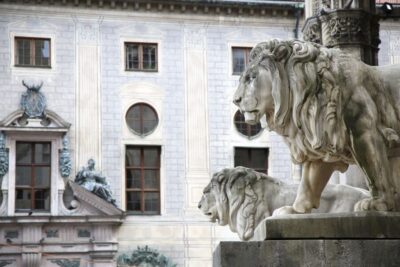
You’ll get a guided look that starts with why Hitler was drawn to Munich in the first place, then moves into where the coup attempt ended. The guide explains what was set up afterward, including a former monument erected for the deceased putschists. Two short stops at Feldherrnhalle help you build a mental map: one to frame the origins, and another to anchor what happened at the site itself.
Practical note: Feldherrnhalle is a busy area, and this part is tightly timed. I’d wear comfortable shoes and expect to stand and look before moving on. The value here is that you learn the meaning of the space, not just its face.
Haus der Kunst and the Munich Residenz, where ideology met culture and status
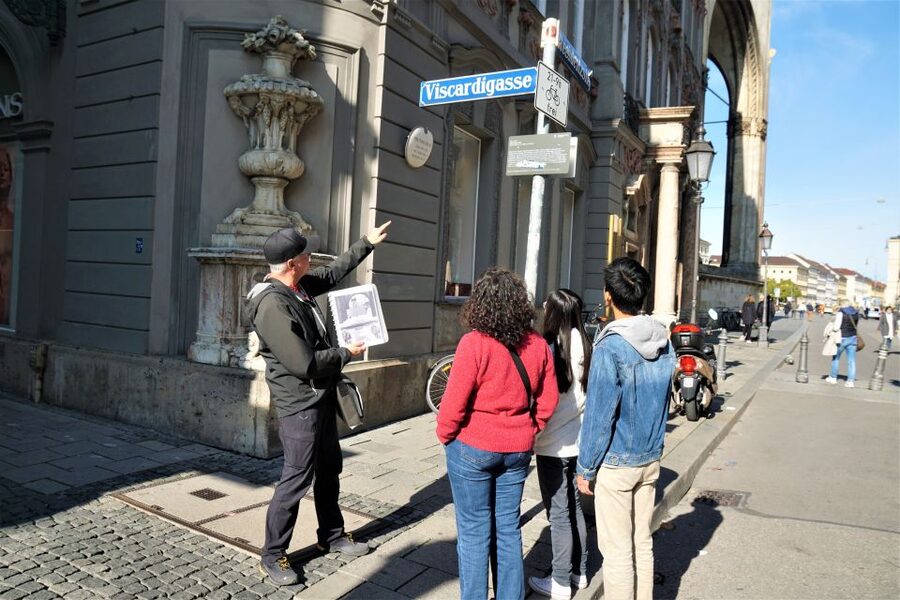
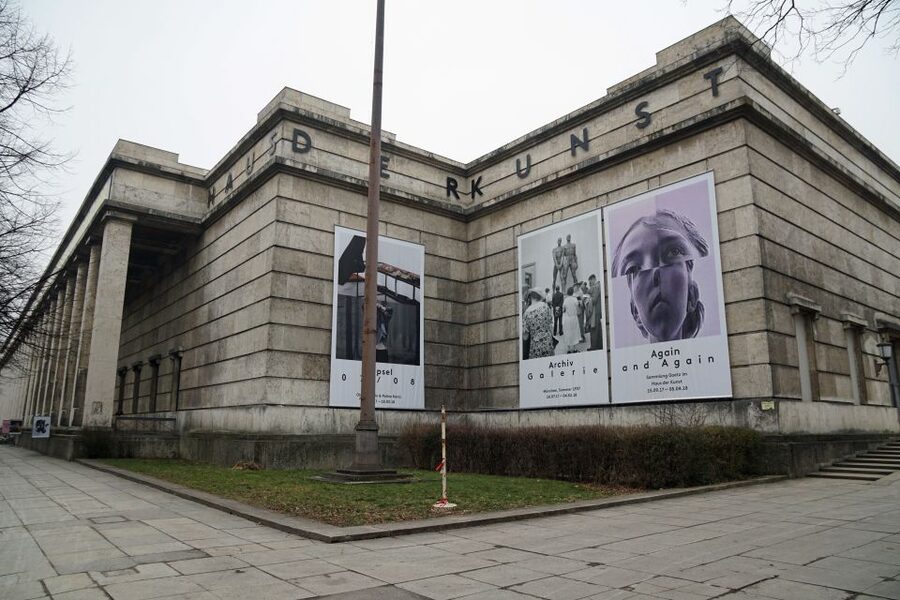
After Feldherrnhalle, the route turns toward Haus der Kunst, also known as House of German Art. This stop is about how Nazi power shaped art, not just how it shaped politics. The guide ties the cultural message to the regime’s broader goals, so you understand why exhibitions and art policies mattered.
From there, you visit the Munich Residenz, the kind of grand setting that screams tradition and authority. That contrast can be useful for your brain: you see how the Nazi movement operated in a city that already had strong symbols of status. The guided time here is short, so treat it like a signpost, not a full museum visit.
One detail I found especially helpful for making Nazi propaganda feel real: you’ll also hear about Degenerate Art and where the exhibition took place, including the location in Galeriestraße. That kind of specificity stops the story from becoming abstract. You’re no longer thinking, Nazis did bad art. You’re thinking, they used real venues and real city addresses to push their worldview.
This is also where the extensive photo material starts to pay off. Photos help you see what the buildings and exhibitions likely looked like in the time period, and that makes the lecture-style parts easier to keep in your head.
LMU and the White Rose memorial moments, resistance where you least expect it
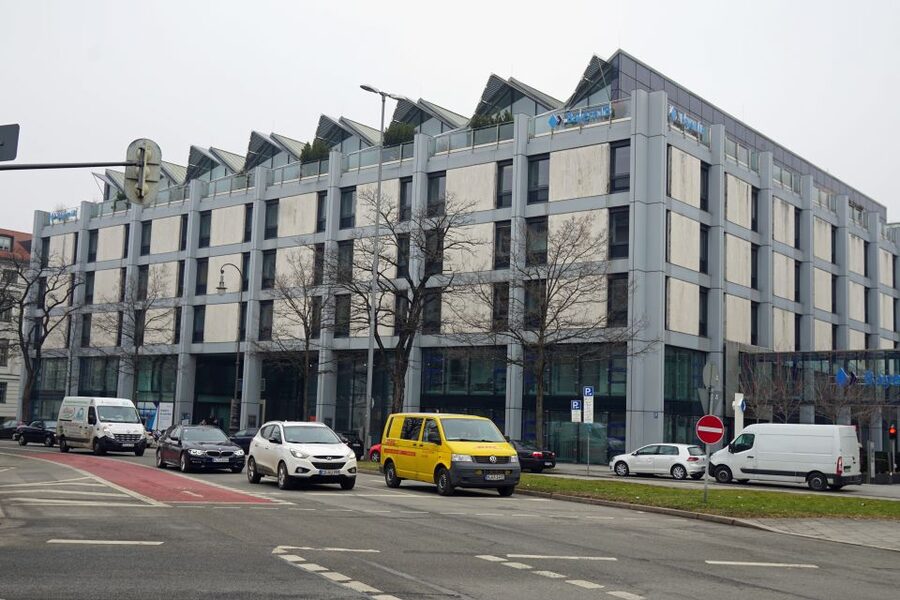
The tour doesn’t treat resistance as a side story. It builds it in, step by step. Between major stops, you’ll walk through the court garden area and explore a monument erected for resistance fighters. That choice is smart, because it shifts your focus from the regime’s public face to the people who actively opposed it.
Then you’ll reach the LMU, the largest university in Germany. This is where the tour zooms in on one of Munich’s most famous resistance groups: the White Rose. You’ll learn how they created flyers and how the story ended, including that they were beheaded.
I like this stop because it gives you a human scale. Nazi sites can overwhelm you, especially when the buildings feel permanent. Resistance stories bring the question back to the individual, the choices people made, and the risks they took.
Also, if you’re traveling with a student or a history-minded friend, this is the segment that tends to feel most directly connected to what you learn in school. It’s not only facts, it’s a clear arc from action to consequences.
Square for the Victims of National Socialism and Karolinenplatz sponsors, the system behind the violence
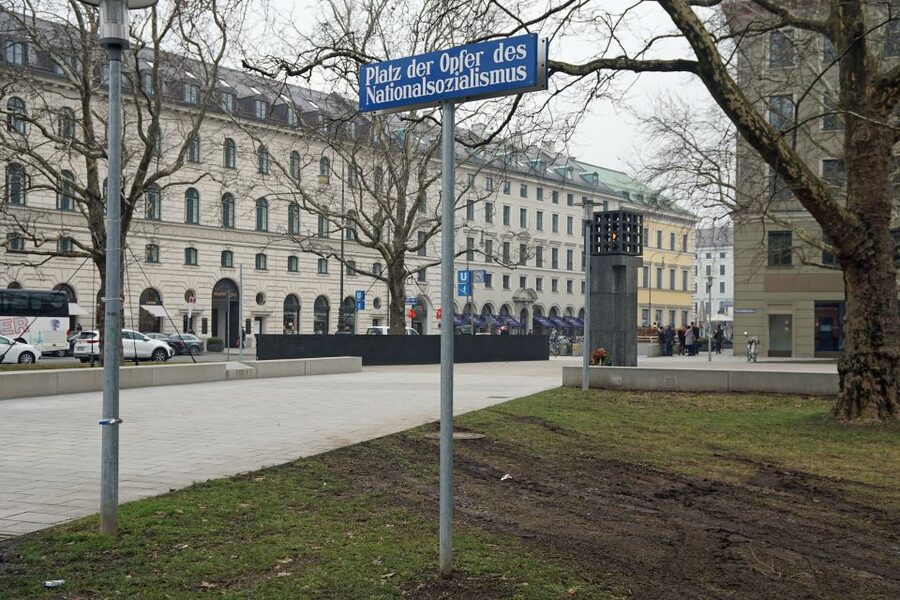
Next comes the Square for the Victims of National Socialism. The guide explains who the victims were, which is important because this kind of site can otherwise feel generic. You come away with a clearer sense of what the Nazi regime did to real people, not just how it looked in posters and ceremonies.
Then you move to Karolinenplatz, where you learn about the main sponsors of the Nazis. This is a key part for anyone who wants to understand how movements like this get funded and supported. It helps you see the regime not as a single evil figure, but as something that relied on networks and backers.
This portion of the tour keeps the focus on accountability. The route is doing something practical for you: it keeps bringing you back to questions like who benefited, who enabled, and who suffered.
NS Documentation Centre and Königsplatz, where the party center becomes a lesson
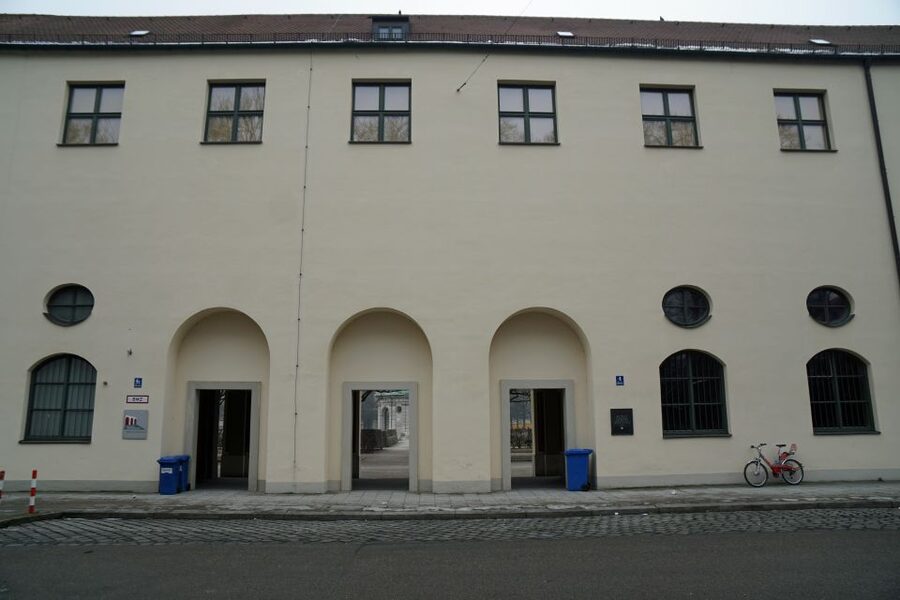
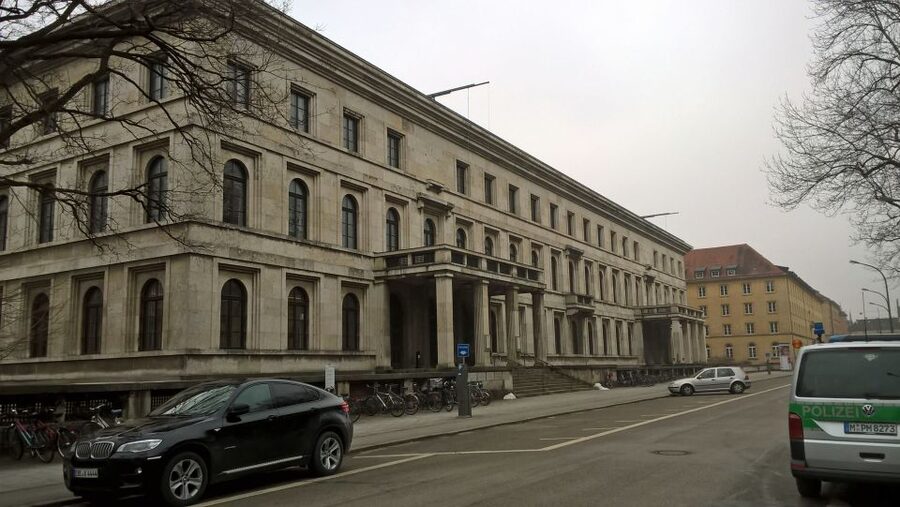
The final stretch is where Munich’s Nazi organization becomes hard to ignore. You head toward Königsplatz, the party center of the Nazis in Munich. This area ties together several linked concepts: headquarters, offices, administration, and the way the movement staged itself in public.
You’ll cover the Führerbau, which includes the Führer building, described as Hitler’s office, plus the NSDAP administration and the NS headquarters referred to as the Brown House. The tour gives you guided context so you understand why these spaces mattered operationally, not only symbolically.
Then you reach the NS Documentation Centre. You get a guided tour there during the walking experience, with its own history and purpose. The center opened in 2015, and it’s placed here for a reason: it helps you move from street-level monuments to a structured explanation of the system and its impact.
One useful option: after the guided walk ends, you have the chance to visit the NS Documentation Centre. Admission is not included, so plan for that separately if you want more time inside. I’d treat it as your “slow down” moment, especially after walking through so many heavy reminders in sequence.
If you care about getting the most from the experience, save mental energy for this ending. It’s where the facts and the visuals in the tour connect to a place designed for understanding.
Guides worth having in Munich
Price and value, what $259 per group buys you in 2 hours
The price is $259 per group, up to 30 people, for a 2-hour private tour. That pricing works best when you travel as a small group of friends, a family, or a small study group. In other words, you are paying for a guide and a tailored walkthrough, not per person like many museum add-ons.
For the content here, the value is in two places. First, the tour compresses a lot of meaningful stops into one guided narrative, so you are not piecing together the story by yourself while walking across Munich. Second, the guide brings extensive photo material and ties the sites to specific topics like the White Rose and Degenerate Art, which is the kind of context that’s hard to pull from signage alone.
If you’re solo, the per-person cost can feel higher in spirit than in math, because it’s priced by group. Still, if you want English or German narration from a certified professional, a dedicated private guide can be worth it, especially if you want a paced, coherent route instead of improvising.
The guide matters, and Wolfgang Brehm sets the tone
This tour is led by schwarzgold.info, Wolfgang Brehm. Based on what people consistently highlight about the experience, the real strength is how clearly the guide keeps the story moving. The tone stays informative and not boring, even when the subject is difficult.
I also appreciate that the tour is positioned as a historical education experience, not a fan tour. It’s explicitly not for right-wing radical or Nazi fans. That matters for your comfort level as a learner. You can focus on understanding without wondering what kind of audience energy will show up.
Language choice also helps here. If you choose English or German, you’ll get the same core route, but with explanations that fit the way you think and process facts.
Who should book this tour, and who might want a different one
Book it if you want Munich to make sense in the context of National Socialism WWII, with a structured walking route through the city’s most important traces. It’s also a strong fit if you like photo-based explanations, timeline clarity, and stories that include resistance like the White Rose.
You might choose a different option if you want light sightseeing, entertainment, or general sightseeing with no heavy moral content. This is the dark side of Munich’s past, told directly.
It’s also a good option for history students. The route connects places, actions, and outcomes in a way that supports school-level understanding.
Should you book it?
Yes, if you want a focused, 2-hour private walk that turns Nazi-era buildings and monuments into a clear story. The biggest wins are the guided structure, the inclusion of resistance, and the way the tour ends at Königsplatz and the NS Documentation Centre for context beyond street-level symbols.
If you’re sensitive to grim material, go in with the right expectations. Wear comfortable shoes, bring your questions, and be ready to learn. This tour doesn’t try to soften the subject. It helps you understand it, which is exactly what a good history tour should do.
FAQ
How long is the private tour?
The tour lasts about 2 hours.
Where does the tour start and where does it end?
It starts with meeting at the steps at Feldherrnhalle at Odeonsplatz. The finish is at Königsplatz 1, 80333 München, Germany.
Is admission to the NS Documentation Centre included?
Admission is not included. You can visit the NS Documentation Centre after the tour.
What languages are offered?
The tour is available in English and German.
Is this tour wheelchair accessible and private?
Yes. It is wheelchair accessible and it is a private group.
What is the price?
It costs $259 per group, up to 30 people.
What does the tour cover besides the main Nazi sites?
You’ll learn about the origins of National Socialism in Munich, where Hitler came to Munich and where he lived, how the NSDAP started, the Hitler coup, resistance including the White Rose, and how the Nazis influenced art including the Degenerate Art exhibition.
Does the tour include the places around Feldherrnhalle and Königsplatz?
Yes. It includes Feldherrnhalle and the party center areas around Königsplatz, including the Führer building area and the NS Documentation Centre.
Can I cancel and still get a refund?
Yes. Free cancellation is available up to 24 hours in advance for a full refund.
More Tours in Munich
More Tour Reviews in Munich
The Same Years, Other Routes


Newest Munich and Bavaria reviews
- Scenic Adventure Private Day Tour to The Konigssee Salzburg★ 4.5 · 3 reviews
- Jewish Museum & Jewish Quarter Guided Tour with Tickets★ 4.0 · 3 reviews
- Private Linderhof Castle, Entry-Ticket – optional Toboggan Run★ 5.0 · 3 reviews
- Private Transfer from Munich to Salzburg, English-speaking driver★ 3.5 · 3 reviews
- Private tour from Munich to Rothenburg and Harburg★ 5.0 · 3 reviews
- Arrival Transfer Munich Train Station to Munich by Luxury Van★ 5.0 · 3 reviews
Munich Third Reich and WWII History Tours, compared.
 ★ 4.6Third Reich & WWII Walking TourFrom $316,181 reviews
 ★ 4.5Third Reich Walking Tour MunichFrom $454,291 reviews
 ★ 4.6Birthplace of the Third Reich Guided Walking TourFrom $29771 reviews
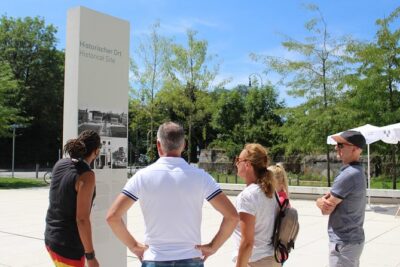 ★ 4.5Munich World War II Sites Including Dachau Concentration CampFrom $105570 reviews
 ★ 5.0Munich City Walking Tour, includes Third Reich & ViktualienmarktFrom $31458 reviews
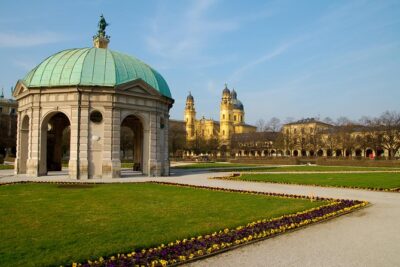 ★ 4.5Third Reich & WWII Walking TourFrom $35417 reviews
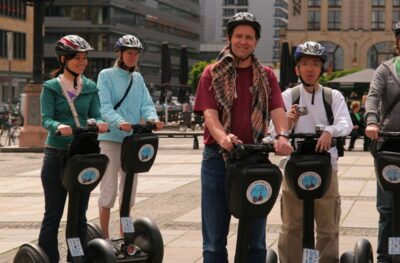 ★ 4.9Munich 3-Hour Segway Tour: Nazi Munich & Royal ArchitectureFrom $91194 reviews
 ★ 5.0Dachau Concentration Camp Memorial Site And Third Reich Day Tour From MunichFrom $145185 reviews
Listed under